I remember a Tuesday morning, thirty years ago, standing in my shop at four in the morning with a tray of sourdough that looked perfect on the outside but felt like wet clay the moment I sliced into it. I felt like a fraud, staring at that dense, translucent mess, wondering if I’d lost my touch. People will tell you that you need a more expensive flour or a fancy new steam injection system to solve your problems, but they are lying to you. Most of the time, when you are searching for how to fix a gummy crumb, the answer isn’t in your shopping list; it’s in your patience and your thermometer.
I’m not here to sell you a miracle ingredient or a complicated gadget that will just sit in your cupboard gathering dust. I want to talk to you about the things that actually matter: the temperature of your water, the way you handle the dough when it’s tired, and the cardinal sin of slicing into a loaf before it has finished breathing. I am going to show you how to respect the fermentation and the cooling process, because once you understand the science of the heat, you’ll stop fighting the bread and start listening to it.
The Sin of Rushing Why Moisture Content in Baking Matters
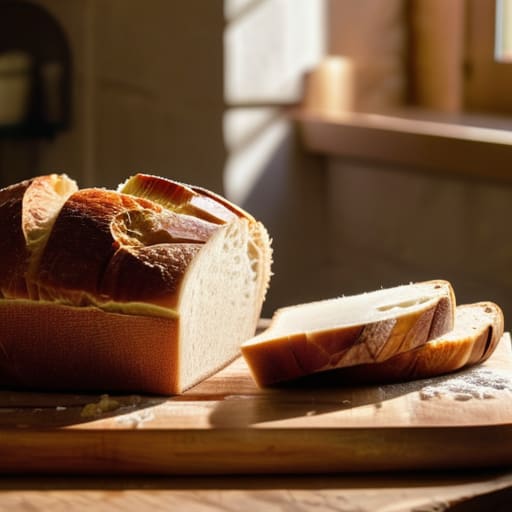
Most people think a gummy center is a sign they didn’t add enough flour, but that’s rarely the truth. In my experience, it’s almost always a matter of managing the moisture content in baking through time rather than additives. When you pull a loaf or a sponge out of the oven, the steam is still trapped inside, performing the final, invisible stage of the bake. If you cut into it too soon, that steam collapses, turning what should have been a light, airy structure into a wet, heavy mess. You aren’t just cutting bread; you are cutting a living process that hasn’t finished its work.
If you find yourself asking, why is my cake dense and moist in the center despite following a recipe to the gram, look at your oven and your patience. You might be dealing with baking temperature mistakes, where the edges set far too quickly while the heart of the bake remains undercooked. If the heat isn’t even, the middle stays a slurry of ungelatinized starches. You have to respect the cooling period; let the structure set itself, or you’ll spend all that effort on a crumb that feels like damp sponge.
Baking Temperature Mistakes and the Illusion of Doneness
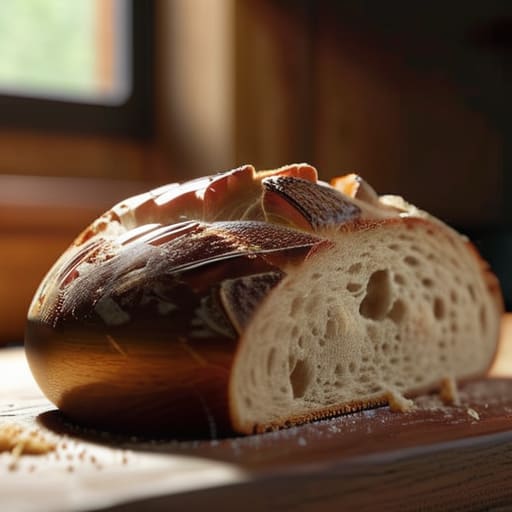
Most people treat an oven like a magic box that simply “heats up,” but if you aren’t checking your thermometer, you’re flying blind. I’ve seen countless beginners struggle with baking temperature mistakes because they trust the little dial on their stove more than they trust a real probe. If your oven is running a few degrees too cool, the structure of your bake won’t set before the moisture has a chance to pool in the center. You end up with a loaf or a sponge that looks perfectly golden on the outside, but once you cut into it, the middle is a sodden, heavy mess.
This is often where people start asking, why is my cake dense and moist? It isn’t always a bad recipe; it’s usually that the heat didn’t penetrate the core fast enough to drive off the excess steam. If the heat is too low, you aren’t baking; you’re just steaming the flour. You need that initial burst of energy to create a stable crumb. Trust your thermometer, not the manufacturer’s settings, and never assume a pale crust means the center is finished.
Five Ways to Stop Treating Your Bread Like a Fast Food Snack
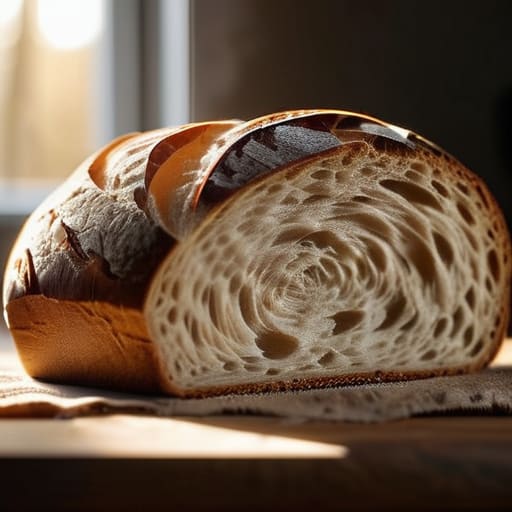
- Respect the cooling rack. If you slice into a loaf while it’s still steaming, you aren’t just cutting bread; you are releasing the moisture that needs to stay inside to set the structure. That steam is the final stage of cooking. If you cut it early, that steam collapses into the crumb, and you’ll be left with a gummy, wet mess that feels like dough even though it’s technically “done.”
- Check your hydration math. If you’re working with a 78% hydration dough but your flour isn’t strong enough to hold that much water, the excess moisture has nowhere to go during the bake. It sits there, trapped in the center, creating a dense, cloying texture. Sometimes you have to dial the water back to 70% or 72% until you learn how your specific flour behaves.
- Watch your oven’s “breath.” If you aren’t using steam in the first ten minutes of the bake, you’re missing the chance to allow the loaf to expand fully. Without that initial burst of steam to keep the crust supple, the crust sets too early, trapping the moisture inside like a lid on a pot. That trapped moisture is exactly what turns your crumb into a sponge.
- Stop guessing and start measuring the core. A loaf might look beautifully browned on the outside, but the center could still be a damp, undercooked heart. You need to use a probe thermometer. For most sourdoughs and heavy breads, you’re looking for an internal temperature of at least 97°C (207°F). If it hasn’t hit that number, it isn’t finished, no matter how dark the crust looks.
- Mind your handling during the fold. If you are too aggressive during your stretch-and-folds, you can tear the gluten network. A broken network cannot hold the gases produced by fermentation, causing the structure to collapse into a tight, compressed, and ultimately gummy mass. You want to guide the dough, not wrestle it into submission.
The Baker's Truth: Three Things to Remember Before You Slice
Respect the cooling period; if you cut into a loaf while it is still steaming, you are essentially squeezing the moisture back into the crumb, turning a beautiful structure into a gummy mess.
Trust your hands over your eyes; a dough that feels heavy and wet isn’t just “unruly,” it’s likely telling you that your hydration is too high for the flour you’re using or your kitchen is too cold to let it develop strength.
Stop looking for a better recipe and start looking at your environment; most gummy failures aren’t found in the flour-to-water ratio, but in the impatience of the baker and the inconsistent heat of a kitchen that hasn’t been properly prepared for the work.
The Lesson in the Crumb
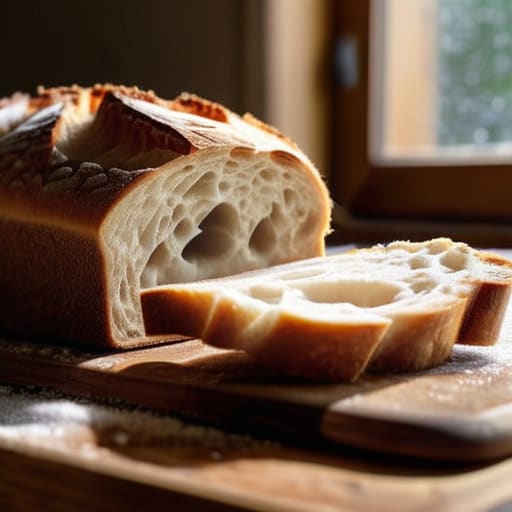
At the end of the day, a gummy crumb isn’t a mystery to be solved with a new brand of flour; it is usually a symptom of a broken rhythm. You must remember that the dough is a living thing that needs its time to ferment properly and its heat to set its structure. If you find yourself staring at a dense, wet interior, look back at your hydration levels and ask yourself if you gave the loaf enough space to breathe before you reached for the knife. It is almost always a matter of respecting the temperature and honouring the clock rather than following a list of instructions blindly. If you control the moisture and the heat, the texture will follow.
Don’t let a heavy loaf make you feel like you don’t belong in a kitchen. I’ve spent thirty-four years pulling loaves out of an oven that didn’t have a single dial, and I can tell you that even the best bakers have days where the dough fights back. Baking is less about perfection and more about learning the language of the grain. Every time a loaf fails, it is simply the dough telling you exactly what it needs for next time. So, wipe the flour off your apron, take a breath, and start again tomorrow. The bread is waiting.
Frequently Asked Questions
If I'm using a high-hydration dough, like an 80% sourdough, am I more prone to a gummy center even if I bake it long enough?
At 80% hydration, you’re playing a much more delicate game. You aren’t necessarily more prone to gumminess, but you are much less forgiving of mistakes. High-hydration doughs need more heat and more time to transform that excess water into steam; if you pull it too early, that water stays trapped in the starch, turning your crumb into a wet sponge. You must bake until the crust sounds hollow and the internal temperature hits 208°F (98°C).
My loaves look perfectly browned on the outside, so how am I supposed to know if the middle is actually set without cutting into it too early?
Listen, if the crust looks like a beautiful mahogany, don’t let it fool you; that’s just the sugar and starch caramelizing on the surface. To know if the heart is set, you need a probe thermometer. You’re looking for an internal temperature of 97°C to 99°C (208°F–210°F). If you don’t have one, give the bottom a gentle tap; it should sound hollow, like a drum, not a dull thud.
Could the type of flour I'm using—specifically if it's a lower protein content—be the reason my crumb stays wet and heavy?
It absolutely could be. If you’re using a low-protein flour—say, a pastry flour or a weak all-purpose—you simply don’t have the structural scaffolding to hold onto all that water. At 70% hydration, a high-protein bread stands tall, but that same hydration in a weak flour will leave you with a heavy, collapsed, gummy mess. The flour can’t support the weight of the moisture, so the water just sits there, trapped in a dense, wet sludge.