I remember standing in my shop at five in the morning, the air thick with the scent of yeast and woodsmoke, watching a young apprentice try to fix a batch of brownies that had turned into nothing more than dry, chocolate-flavored sponges. He was frantically adding more cocoa powder, thinking the recipe was broken, when the truth was much simpler: he’d overbeaten the eggs until he’d introduced too much air. People spend far too much time searching for some magical, expensive ingredient to solve their problems, when the real secret to how to make brownies fudgy or cakey lies in the way you treat your fats and the sheer violence—or lack thereof—with which you stir your batter.
I am not going to give you a list of fancy imports or tell you that you need a sous-vide machine to get it right. Instead, I’m going to show you the math of the cocoa-to-fat ratio and why your mixing technique is either building structure or destroying it. We are going to talk about weights, temperatures, and the feel of the spoon against the bowl. By the time we are done, you won’t need a recipe card to tell you if you’ve succeeded; you’ll be able to tell just by the way the batter clings to the side of the pan.
The Cruel Math of Egg to Flour Ratio for Brownies
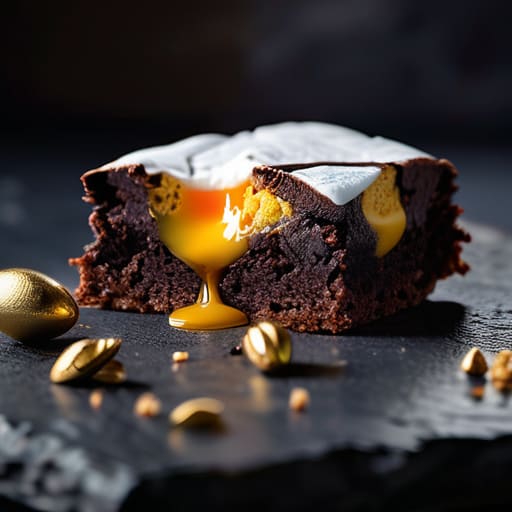
Now, if you’re looking for a reason why your brownies come out looking like a dry sponge instead of a rich, dark slab, you need to stop looking at the sugar and start looking at your eggs. People get so caught up in the cocoa that they forget the egg is what provides the structure—or the lack thereof. The egg to flour ratio for brownies is the invisible line between a dessert that melts on the tongue and one that requires a glass of milk just to swallow.
If you want that dense, fudgy center, you need to lean into the fat and the moisture of the yolk. A higher proportion of eggs relative to your flour creates a more custard-like, heavy crumb. Conversely, if you find yourself adding too much flour or too many whites, you’re essentially building a cake. You aren’t making a brownie anymore; you’re just making a very chocolatey muffin. It’s all about the balance of protein and moisture. If the batter feels thin and heavy, like molten lava, you’re on the right track. If it feels airy when you lift the spatula, you’ve gone too far into cake territory.
Butter vs Oil in Brownies the Choice of Fat and Soul
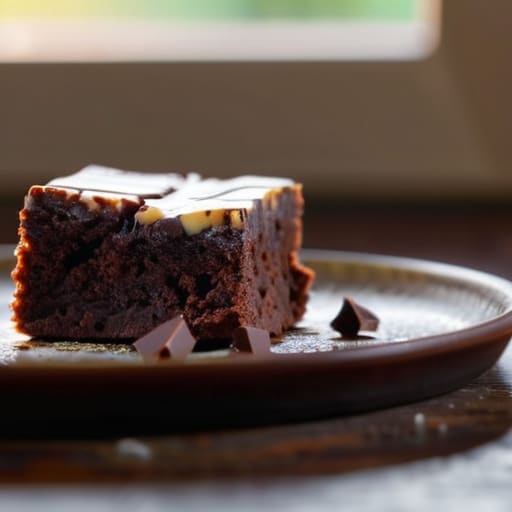
Now, let’s talk about the fat, because this is where most people lose the plot. If you want a brownie that feels like a velvet ribbon in your mouth, you reach for the butter. Butter is temperamental; it carries milk solids that toast and deepen the flavor, but it hardens as it cools. This is why a butter-based brownie often feels “sturdy” or even slightly crumbly if you eat it cold. It’s a sophisticated, rich choice, but it demands you respect the temperature.
If you’re chasing that specific, almost illegal level of moisture—the kind that stays soft even when the pan has been sitting on the counter for two days—you use oil. This is the heart of butter vs oil in brownies debate. Oil is a liquid at room temperature, so it keeps the crumb supple and heavy. It doesn’t provide that toasted, lactic depth, but it provides unrelenting moisture. If you want a brownie that feels like it’s melting the moment it touches your tongue, go with the oil. Just don’t expect it to have the soul of a browned butter batch.
The Hands and the Heat: Five Ways to Control Your Outcome
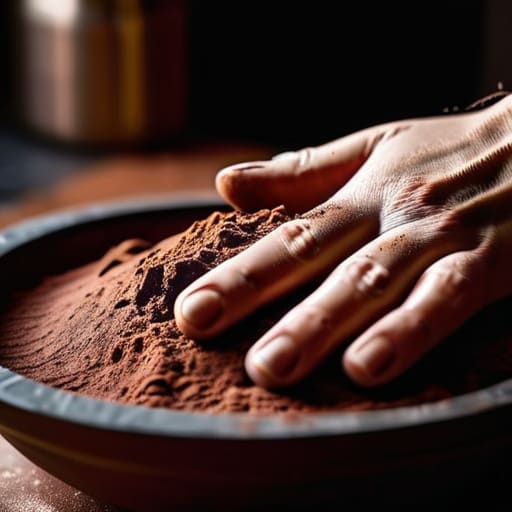
- Stop overworking the batter once the flour hits the wet; if you treat brownie batter like a sponge cake by beating it until it’s smooth and aerated, you’ll end up with a tough, bread-like crumb instead of that fudgy melt.
- Watch your oven’s temperament, not just its dial; a brownie that looks “done” in the center is often already past the point of fudginess, so pull them out when the edges are set but the middle still has a slight, heavy wobble.
- Temperature is your silent partner; if you want a dense, fudgy texture, use melted butter and room-temperature eggs to keep the fat integrated, but if you want a lighter, cakey lift, ensure your eggs are whisked vigorously to trap air before adding the dry ingredients.
- Respect the cooling time as much as the baking time; a brownie pulled from the oven and sliced immediately is a structural disaster, whereas a brownie left to sit for at least an hour allows the fats and sugars to settle into that heavy, satisfying density we’re after.
- Use the weight of your ingredients to your advantage; if you find your brownies are consistently too dry or “cakey” when you want them fudgy, increase your fat percentage by just a few grams—it’s a small shift in the math that makes a massive difference in the mouthfeel.
The Baker’s Truth: Three Rules for Your Next Batch
Stop chasing the perfect timer and start watching the surface; a fudgy brownie is finished when the center still has a slight, heavy wobble, whereas a cakey one will begin to pull away from the edges of the pan like a dry sponge.
If you want density, treat your batter with respect and keep your mixing to a minimum—overworking the eggs once they’ve met the flour is the quickest way to turn a rich, fudgy intention into a mediocre, aerated cake.
Remember that temperature is your silent partner; if your butter is melted and hot, you’re leaning toward a fudgy, crackle-top result, but if you’re working with room-temperature fats and more aeration, you’re building a crumb that’s meant to be light.
The Final Fold
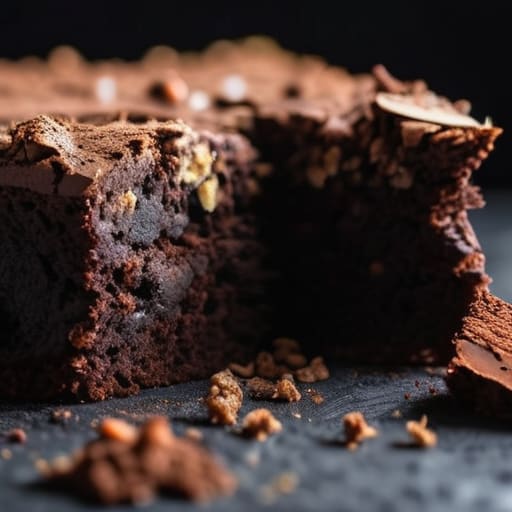
At the end of the day, deciding between a brownie that is fudgy or one that is cakey isn’t about following a set of arbitrary instructions; it is about deciding what you want to feel when you take that first bite. You now know that if you want that dense, truffle-like center, you must lean into the fats, watch your egg ratios closely, and resist the urge to over-mix. If you prefer a lighter, more aerated crumb, you’ll want to adjust your leavening and ensure your sugar and eggs are sufficiently aerated. Remember, it is the relationship between your fat and your flour that dictates the structure, and if you try to cheat the math by using cups instead of weights, you’ll likely end up with a tray of something that is neither fudgy nor cakey, but simply unpredictable.
Don’t let a tray that comes out a little too soft or a bit too dry discourage you. In my thirty-four years, I’ve learned that a “failed” batch is usually just a lesson in disguise—perhaps your kitchen was a few degrees too cold, or you handled the batter with hands that were a bit too hurried. Baking is a conversation between you and the ingredients, and sometimes the ingredients need you to listen a little more closely. So, clear your counter, weigh out your chocolate, and trust your hands more than the timer. Whether you end up with a rich, dark slab of decadence or a soft, comforting sponge, just make sure you made it with intention.
Frequently Asked Questions
If I use cocoa powder instead of melted chocolate, how much more fat do I need to add to keep them from turning into dry, crumbly little rocks?
If you’re swapping bars of chocolate for cocoa powder, you’re losing the cocoa butter that provides the structure’s soul. Cocoa powder is thirsty; it drinks up moisture like a parched field. To keep them from turning into those dry, crumbly little rocks you mentioned, you need to increase your fat by about 10% to 15% of your total flour weight. If you don’t, you’re just baking a very dark, very sad sponge.
My kitchen is always a bit drafty in the winter; will the temperature of my eggs and butter change the way the batter sets before it even hits the oven?
Oh, darling, you’ve hit on the very thing most people ignore. In a drafty kitchen, temperature is everything. If your butter and eggs are straight from the fridge, they’ll fight your melted fats, creating a broken, grainy emulsion instead of a smooth, cohesive batter. A cold batter won’t expand properly; it’ll sit heavy and sluggish. Get those ingredients to room temperature first. If the batter doesn’t feel supple and unified in the bowl, it won’t behave in the oven.
Is there a point where I've overmixed the batter and turned a fudgy intention into a tough, bread-like mistake?
Oh, you’ve hit the nerve. Yes, there is absolutely a point. If you treat your brownie batter like a sponge cake, you’ll end up with something that fights back. Once that flour is wet, gluten wants to wake up and start working. If you whisk it until your arm aches, you’re building a structure meant for a loaf, not a fudge. Fold it gently; stop the moment the streaks vanish.