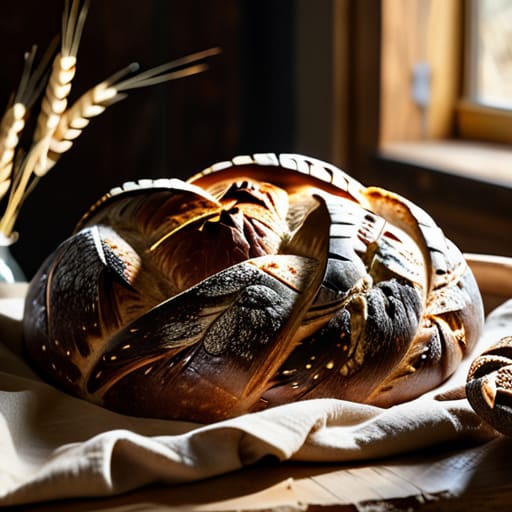
beyond the Crust: Why Understanding the History of Different Artisanal Bread Types Is the Only Way to Respect the Grain
I spent thirty-four years watching people walk into my shop, eyes wide, looking for some magical, ancient secret hidden within the history of different artisanal bread types. They want to believe that a sourdough boule is a relic of a lost civilization or that a ciabatta requires a mystical touch passed down through secret lineages. It’s all a bit much, isn’t it? The truth is far less romantic and far more practical: most of these “artisanal” traditions weren’t born from high-concept culinary philosophy, but from the necessity of what was available in the pantry and the heat of whatever oven happened to be burning that morning. I’m not here to sell you on the myth of the “lost art” or to wrap flour in fancy storytelling. Instead, I want to pull back the curtain and show you how these loaves actually came to be through the lens of temperature, grain,…

A No-nonsense Guide to Sourdough Starter: Why It’s Not Magic, Just Patience and Percentages
Stop looking for a magic flour or a “secret” brand of water to fix your sluggish bubbles; the truth is that most people fail at learning how to make sourdough starter at home because they treat it like a chemistry experiment instead of a living thing. I spent thirty-four years waking up at four in the morning to the smell of yeast, and I can tell you that a starter doesn’t need a complicated ritual—it needs consistency and warmth. If your jar is sitting on a cold granite countertop, it doesn’t matter how much expensive organic rye you throw at it; those microbes are simply sleeping. In this guide, I’m going to strip away the nonsense and show you how to cultivate a culture that actually has the strength to lift a heavy loaf. We aren’t going to use measuring cups that lie to you; we are going to work…
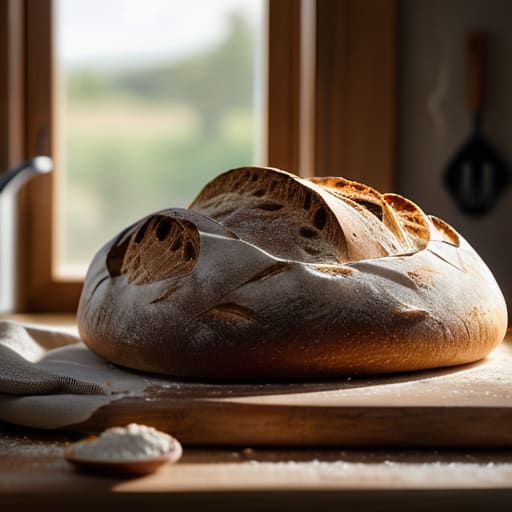
Stop Treating Your Crust Like an Afterthought: the Only True Ways to Store Homemade Bread Loaves to Preserve the Soul of the Loaf.
I’ve lost count of how many times I’ve watched a person spend twenty pounds on a fancy, gadget-filled “bread box” only to pull out a loaf that feels like a damp sponge. It’s a ridiculous waste of money. People think they need technology to fix a problem that is actually just about understanding the air. If you’re looking for the best ways to store homemade bread loaves, you won’t find them in a plastic container or a high-tech vacuum sealer; you’ll find them in the simple balance between moisture and breathability. Most of the advice you read online is designed to sell you something, but bread doesn’t care about your kitchen decor—it only cares about its environment. I’m not here to give you a list of expensive kitchenware you don’t need. Instead, I’m going to tell you how to treat your crust with the respect it deserves, whether you’re planning…
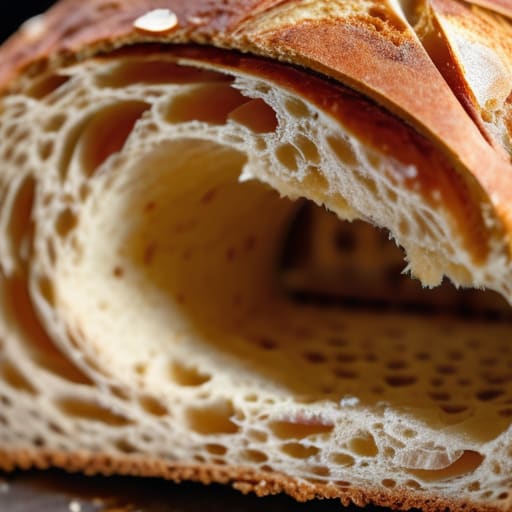
Open Crumb: Wanted More Often Than It Should Be
I spent thirty-four years waking up at four in the morning to the sound of flour hitting wooden bowls, and if there is one thing I’ve learned, it’s that you cannot buy your way into a beautiful loaf. I see people online spending hundreds on specialized Dutch ovens or high-tech proofing boxes, convinced that expensive gear is the secret to how to get an open crumb. It’s nonsense. You can have the most expensive kitchen in the world, but if you’re treating your dough like a chore to be finished rather than a living thing to be tended, you’ll end up with a dense, tight brick every single time. Those big, airy holes aren’t a product of your equipment; they are a result of how you treat the air inside the dough. I’m not going to give you a list of fancy gadgets or tell you to follow a recipe…
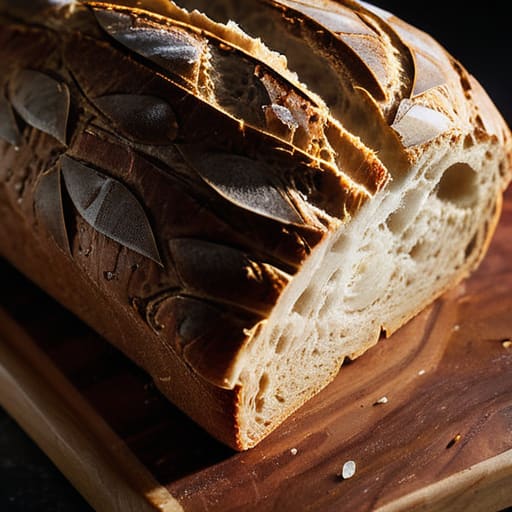
Crust Too Thick to Slice
I remember sitting in my shop at five in the morning, the air smelling of yeast and woodsmoke, watching a young man walk in with a loaf he’d baked at home. He looked so proud, until he tried to slice it and the knife bounced off a surface as hard as a cobblestone. He’d followed a recipe to the letter, but he’d ended up with a loaf that felt more like a weapon than a meal. Most people think they need a professional steam-injection oven or some expensive, specialized Dutch oven to fix this, but learning how to avoid a thick tough crust isn’t about buying more gear. It’s about understanding the relationship between heat and moisture—something most cookbooks completely gloss over in favor of pretty pictures. I’m not going to sell you on a fancy gadget or a complicated three-hour ritual that leaves your kitchen a mess. Instead, I’m…
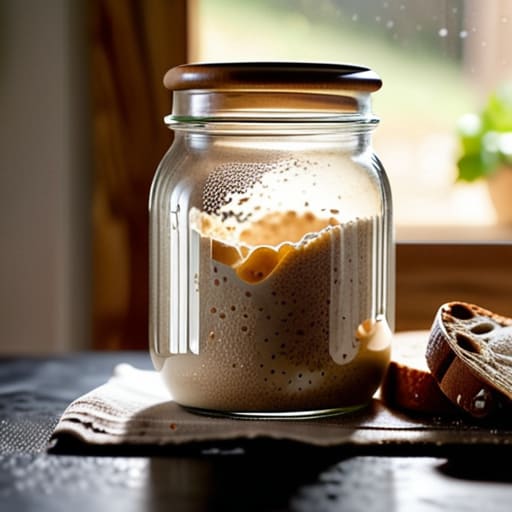
The No-nonsense Guide to Sourdough Starter: Why Your Flour and Water Aren’t Living Up to the Hype
Stop looking for a magic jar of yeast in the supermarket aisle and stop blaming your “bad luck” when your flour and water refuse to bubble. Most people think they fail at learning how to make sourdough starter at home because they lack a “special” ingredient, but that is nonsense. The truth is, you aren’t failing the starter; you are likely just fighting against a drafty kitchen or a countertop that’s far too cold for those tiny microbes to do their work. I’ve seen more heartbreak over a neglected jar than I ever saw over a burnt crust, and it usually comes down to rushing the process before the life in the jar is actually ready to dance. In this guide, I’m going to strip away the complicated jargon and the intimidating schedules that make people quit before they’ve even begun. I will show you exactly how to feed, monitor,…
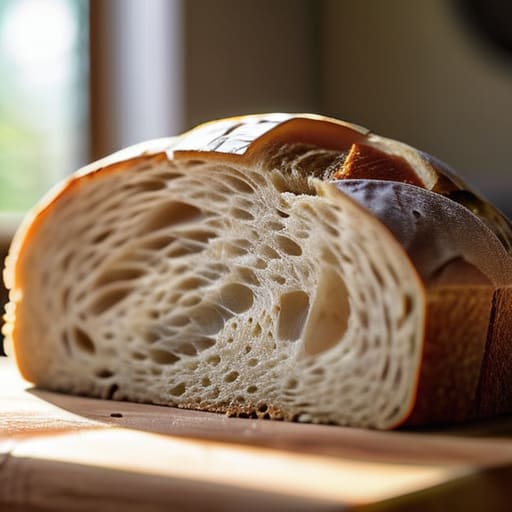
Gummy Crumb Is Usually Cut Too Soon
I remember a Tuesday morning, thirty years ago, standing in my shop at four in the morning with a tray of sourdough that looked perfect on the outside but felt like wet clay the moment I sliced into it. I felt like a fraud, staring at that dense, translucent mess, wondering if I’d lost my touch. People will tell you that you need a more expensive flour or a fancy new steam injection system to solve your problems, but they are lying to you. Most of the time, when you are searching for how to fix a gummy crumb, the answer isn’t in your shopping list; it’s in your patience and your thermometer. I’m not here to sell you a miracle ingredient or a complicated gadget that will just sit in your cupboard gathering dust. I want to talk to you about the things that actually matter: the temperature of…
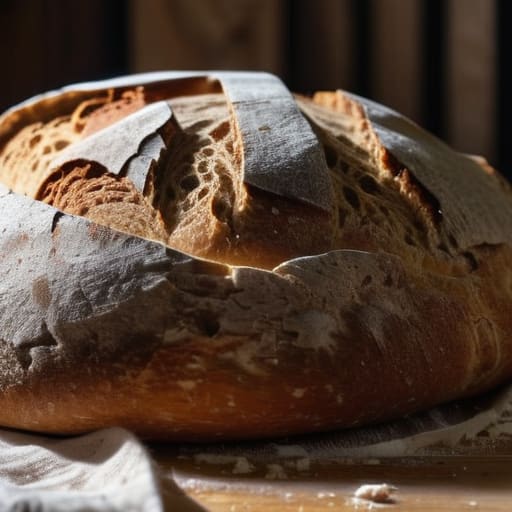
The Loaf That Spread Instead of Rising
I’ve spent thirty-four years watching people throw away perfectly good flour because they thought a collapsed crust meant they’d failed a “test.” You’ll see it all over the internet: expensive additives, fancy new “foolproof” flour blends, or complicated gadgets promised to save your bake. Let me tell you something—none of that nonsense will teach you how to fix a flat loaf. When that dough hits the oven and instead of reaching for the sky, it just spreads out like a puddle, it isn’t because you bought the wrong brand of salt or lacked a high-tech mixer. It’s usually because your kitchen was a drafty tomb, or your hands were far too impatient with the fermentation. I’m not here to sell you a miracle ingredient or a new way to measure by volume; I’m here to tell you what the dough is trying to say. We are going to look at…
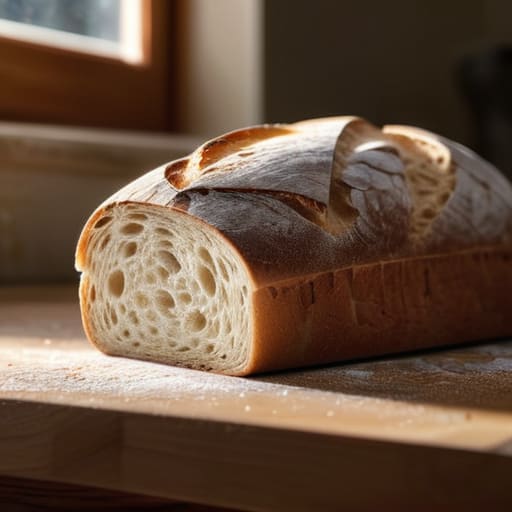
Dense Loaf: Three Likely Causes
I remember standing in my bakery at four in the morning, the air thick with the scent of yeast and the hum of the cooling oven, only to pull a tray of loaves out that felt more like doorstops than sourdough. It’s a heartbreaking feeling, isn’t it? You follow every step, you watch the videos, and yet you’re left staring at a heavy, tight crumb that won’t yield to a knife. Most people will tell you that you need a fancy new stand mixer or a more expensive brand of flour, but they’re selling you nonsense. If you are searching for how to fix dense bread, stop looking at your equipment and start looking at your environment. I’m not going to give you a list of expensive gadgets or complicated science experiments. Instead, I’m going to tell you what I learned from thirty-four years of watching dough rise and fall.…
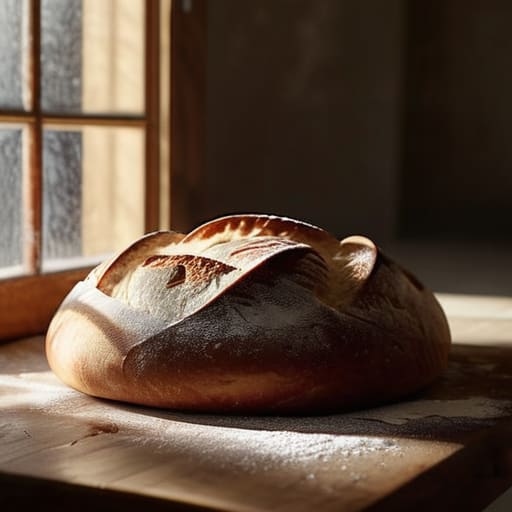
The 7 Best Essential Tools for Professional Bread Baking
I’ve spent thirty-four years watching people walk into my shop with expensive, shiny gadgets they’ve seen on social media, only to walk out with loaves that look more like heavy bricks than bread. They think the magic is in the machine, but they’re missing the point entirely. If you want to move beyond the hobbyist stage and actually understand the soul of your dough, you need to stop chasing trends and start investing in the essential tools for professional bread baking that actually serve the craft. Most of what you see in those glossy magazines is just window dressing; a true baker knows that the right tools shouldn’t do the work for you, they should simply get out of your way so you can feel what the flour is telling you. In the following list, I’m stripping away the nonsense to give you the seven items I wouldn’t dream of…