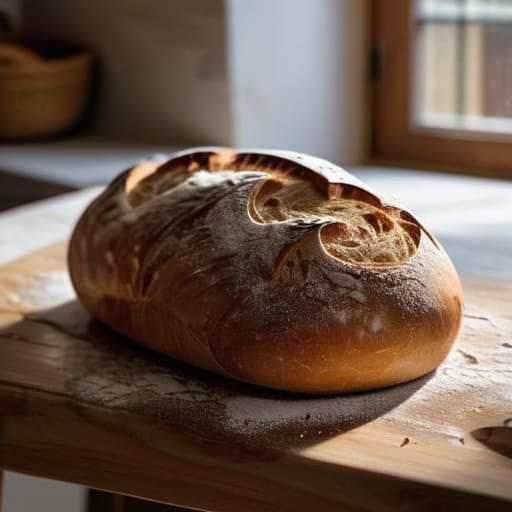
I remember standing over my first wood-fired oven at twenty-two, watching a beautiful, high-hydration loaf burst sideways like an overfilled balloon because I’d been too timid with my blade. I thought I was being careful, but I was actually just suffocating the dough. Most people think that learning how to score bread is about being an artist or drawing intricate wheat stalks on the crust, but that’s a vanity project. In reality, scoring is a mechanical necessity; it is about giving the steam a controlled path to escape so your loaf doesn’t tear itself apart in ways you didn’t intend. If you treat the blade like a paintbrush instead of a release valve, you’ve already lost the battle.
In this guide, I’m going to strip away the pretension and show you how to handle a lame with actual intention. We won’t be chasing “Instagram-perfect” patterns that compromise your structure; instead, I’ll teach you how to read the tension in your dough so you know exactly where to cut. You’ll learn the right depth, the necessary speed, and why your angle of attack matters more than the pattern itself.
Guide Overview
Tools & Supplies
- Lame (razor blade holder for stability)
- Bread lame or sharp utility razor (for precise cuts)
- Proofed dough (1 loaf)
- Rice flour or cornmeal (small amount for dusting)
Step-by-Step Instructions
- 1. Before you even think about touching a blade, you need to look at your dough and decide if it’s actually ready. If your dough has been sitting in a warm spot and has become a slack, weeping mess, no amount of fancy cutting will save it. You want a loaf that has developed enough surface tension to hold its shape, but still feels alive and slightly springy under your fingertips. If it feels like a puddle, let it chill in the fridge for twenty minutes to firm up; you can’t score a liquid.
- 2. Prepare your tool, and please, for the love of all that is holy, don’t use a serrated kitchen knife. You need a dedicated lame or a very sharp, single-edge razor blade. If you’re using a razor, I suggest taping it to the end of a wooden spoon handle to give yourself better leverage and control. A dull blade is your worst enemy here—it won’t slice; it will drag and tear the skin of the dough, and once you’ve bruised the surface like that, you can’t take it back.
- 3. Dust the top of your loaf with a light, even layer of flour—rice flour is my preference because it doesn’t absorb moisture as quickly as wheat—to create a bit of contrast. This isn’t just for the photograph; the flour helps the blade glide without sticking. You want the dough to feel supple and resistant, not tacky or gummy. If the surface is too wet, the blade will stutter, and a stuttering blade leads to uneven expansion.
- 4. Now, the motion itself. Hold your blade at a shallow angle, about 30 degrees from the surface, rather than pointing it straight down like you’re carving a turkey. You aren’t trying to cut all the way through to the bottom of the loaf; you are merely creating a controlled path for steam to escape. If you cut too deep, the loaf will collapse into a pancake; if you’re too shallow, the crust will burst in random, ugly places during the bake.
- 5. Commit to the cut. This is where most people hesitate, and that hesitation is exactly why their scores look shaky and nervous. Whether you are doing one long, decisive “ear” cut down the center or several smaller decorative slashes, move with purpose and steady pressure. A single, continuous motion is always better than a series of short, jagged stabs. Think of it as guiding the bread’s energy rather than forcing it.
- 6. Once the score is made, get that loaf into the oven immediately. The window between a perfect score and a skin that has dried out and lost its elasticity is incredibly small. You want the heat to hit that cut while the dough is still vibrant and expanding. If you leave it sitting on the counter for ten minutes while you tidy up the kitchen, the surface will skin over, and you’ll find yourself fighting a crust that refuses to budge.
Bread Lame vs Razor Blade Choosing Your Instrument
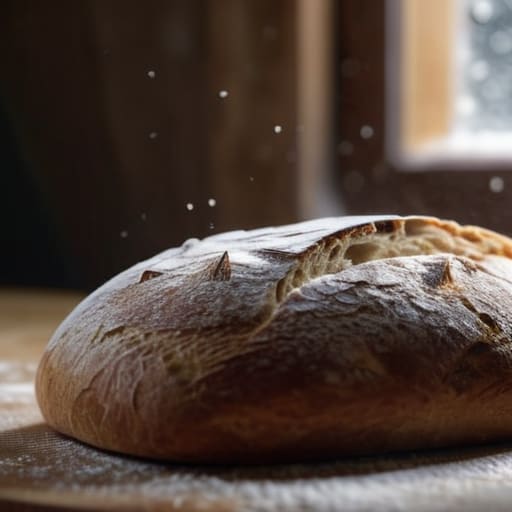
Now, don’t let the fancy shops convince you that you need a professional kit to make a decent loaf. When people ask me about a bread lame vs razor blade, they usually think the tool makes the baker. It doesn’t. A dedicated lame, with its handle and steady grip, is wonderful for those intricate sourdough scoring patterns that look like lace, but it’s a luxury, not a necessity. If you’re just starting out, a single, clean safety razor held between your thumb and forefinger can do the job perfectly well—provided you aren’t shaking like a leaf.
The real secret isn’t the tool itself, but how much control you have over the blade. If you use a cheap, dull blade, you’ll end up dragging the dough rather than slicing it, which ruins your oven spring optimization by tearing the surface prematurely. You want a cut that is decisive and deep enough to allow the bread to expand without bursting at the seams. Whether you use a wooden lame or a bare razor, remember that you are simply giving the steam a path to escape.
Controlling Dough Expansion Through Precise Scoring Depth for Crust
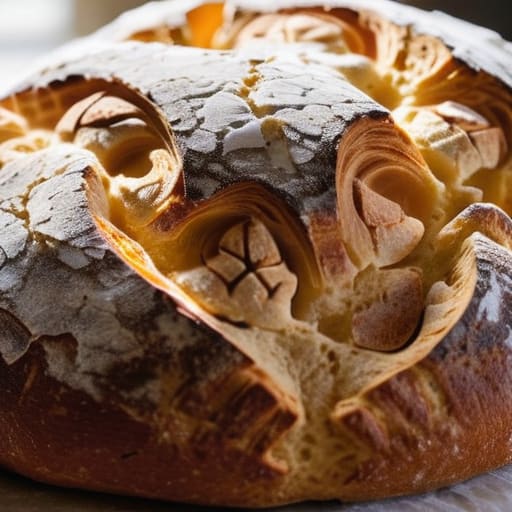
If you slice too shallow, the crust will act like a tight corset, pinning the loaf down and preventing that glorious oven spring optimization we all chase. You’ll end up with a dense, stunted boule that looks like it’s trying to burst out of its own skin. On the other hand, if you go too deep—I’m talking more than half an inch into a high-hydration dough—the structural integrity collapses. The loaf will simply deflate into a puddle of dough in the center of your hearth, and all that beautiful tension you worked so hard to build during shaping will be gone.
The trick is to find the sweet spot where you are controlling dough expansion without compromising the loaf’s soul. You want a cut that is deep enough to provide a clear path for the steam to escape, but shallow enough that the sides of the cut stay upright. I like to think of it as giving the bread a doorway rather than a canyon. When you hit that depth just right, the expansion happens exactly where you intended, allowing for those dramatic, sweeping ears that make a loaf look truly professional.
Five Things the Recipe Won't Tell You About the Cut
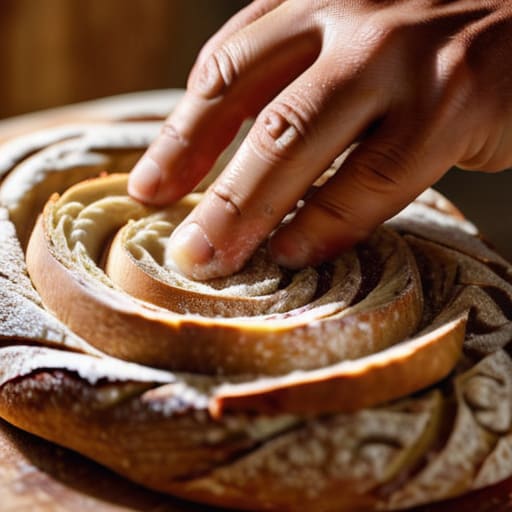
- Watch your tension before you even touch the blade; if the dough is slack and won’t hold its shape, no amount of beautiful scoring will save it from turning into a pancake in the oven.
- Speed is your friend, but don’t be reckless—you want a confident, singular motion that glides through the surface, not a hesitant, jagged sawing motion that tears the gluten.
- If your kitchen is drafty and your dough is cold, it’s going to fight you; make sure the dough is at the right temperature so the blade sinks in like it’s cutting through soft butter rather than resisting like cold rubber.
- Don’t be afraid to go a bit deeper if you’re working with a high-hydration dough—those wetter loaves need a real path to escape, or they’ll just burst out the sides where you didn’t intend.
- Listen to the dough; if it feels like it’s resisting the blade, you’re likely pressing too hard or your dough hasn’t finished its final proof, so take a breath and check your timing before you make the cut.
Three Things to Remember Before the Blade Hits the Dough
Scoring is about giving the bread a direction to grow, not just making it look pretty; if you don’t give the steam a path to escape, the loaf will burst at its weakest point instead of where you intended.
Your tool matters less than your confidence; a hesitant, shallow cut will snag on the skin of the dough and tear it, so you must commit to the movement with a swift, decisive stroke.
Watch the dough, not the clock; a dough that has been over-proofed will be fragile and prone to collapsing under the blade, regardless of how perfect your technique is.
The Final Cut
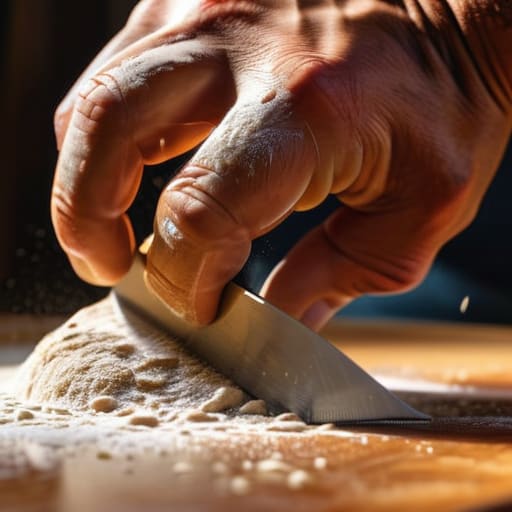
At the end of the day, scoring isn’t about making pretty wheat stalks or elaborate leaves to show off on a countertop; it is about giving the bread a path to expand. Whether you are using a professional lame or a simple razor, the goal remains the same: controlled tension and a precise depth that allows the steam to escape without collapsing the structure. Remember that your tool is only as good as your confidence. If you hesitate or drag the blade, the dough will fight you, and you’ll end up with a ragged tear instead of a clean, purposeful opening. Watch your dough, feel the surface tension, and trust your hands to make the cut.
I spent three decades watching loaves emerge from a wood-fired oven, and if there is one thing I learned, it is that the most beautiful crusts often come from the most imperfect moments. Don’t let a slightly crooked score or a bit of unexpected “ear” discourage you. Every loaf is a conversation between you, the flour, and the heat, and sometimes the bread has its own ideas about how it wants to bloom. Just keep practicing, keep your blades sharp, and remember that patience is your best tool. The more you bake, the more you will stop looking at the clock and start listening to what the dough is trying to tell you.
Frequently Asked Questions
What do I do if my dough is so sticky that the blade drags and tears the surface instead of gliding through?
If your dough is fighting the blade, it’s usually because it’s either too warm or lacks enough tension. First, pop it back in the fridge for twenty minutes; a chilled skin is much easier to slice. If that doesn’t work, stop trying to slice through the mass and instead try “slashing” with a very fast, decisive motion. A slow blade is a sticky blade. If it’s still dragging, your hydration might be higher than your skill level can currently handle.
Is it possible to over-score a loaf, or can I actually cut too deep and cause the whole thing to deflate in the oven?
It’s a common fear, but you can’t really “over-score” in terms of the number of cuts; you can, however, be far too heavy-handed. If you plunge the blade in like you’re carving a roast, you’ll tear the gluten structure rather than guiding it. A deep, uncontrolled gash will let all that precious steam escape sideways, causing the loaf to slump and deflate. Aim for intention, not depth; you want a path, not a canyon.
How much does the temperature of my dough affect how cleanly the blade moves—should I be scoring it cold straight from the fridge?
You’ve hit on the secret to a clean ear. If your dough is sitting at room temperature, it’s a living, breathing, squishy thing—it’ll fight the blade and drag. I always score my loaves straight from the fridge. That cold temperature tightens the skin and keeps the structure firm, allowing the blade to glide through like a hot knife through butter. A cold dough holds its shape; a warm dough just sulks and spreads.