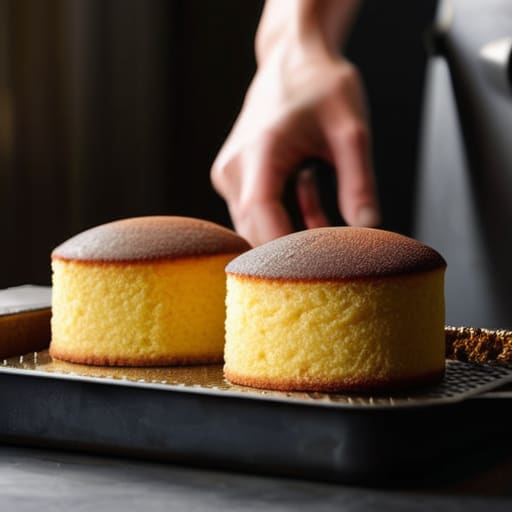
Dark Tins Bake Faster Than Pale Ones
I spent thirty-four years watching people throw money at “professional grade” gadgets, only to come to my counter crying because their sponge was a dense, gummy mess. They’d swear the recipe was cursed, but I could see the truth from across the flour-dusted counter: they were trying to bake delicate batters in thin, flimsy tins that couldn’t hold a lick of steady heat. Most people don’t realize how baking tins affect results until they’re staring at a sunken center or a crust that’s burnt on the bottom while the middle stays raw. It isn’t magic, and it certainly isn’t a bad recipe; it’s simply a failure of heat distribution. I’m not here to sell you a designer set of copper pans or tell you that you need a kitchen full of specialized gear to get a decent rise. I want to tell you what actually happens when that dough meets…
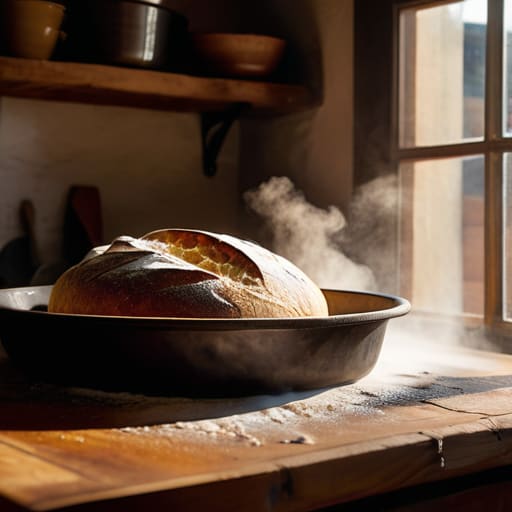
Three Ways to Get Steam Without a Deck Oven
You can buy all the fancy, expensive Dutch ovens in the world, but if you don’t understand the physics of moisture, you’re just heating up expensive ceramic. I spent my first decade in the village bakery watching young apprentices panic because their loaves were coming out with crusts as thick and dull as a paving stone, blaming their expensive flour or their sourdough starter. The truth is much simpler: they hadn’t mastered how to create steam at home to allow the dough to expand before the crust sets. If you don’t respect the steam, the bread cannot breathe, and it will never give you that thin, crackling shatter that makes a loaf truly alive. I am not going to give you a list of gadgets you don’t need or tell you that a specific brand of spray bottle is the magic answer. Instead, I’m going to show you how to…
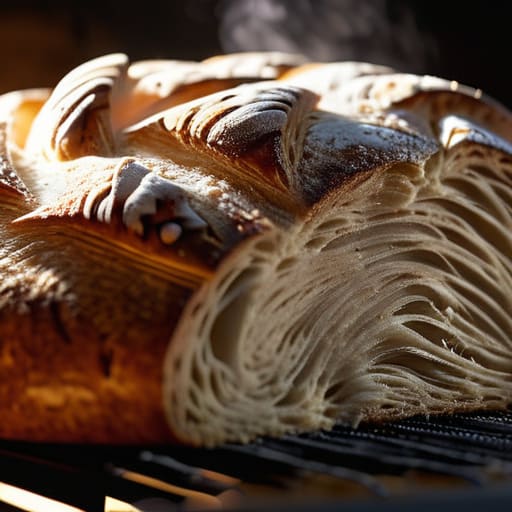
Steam in the First Ten Minutes Changes Everything
I remember standing before my old wood-fired oven at four in the morning, the air thick with the scent of singed flour and anticipation, watching a loaf struggle under a dry heat. It looked stunted, its crust setting too early like a tight, suffocating skin, preventing the bread from reaching its full potential. People will try to sell you expensive, specialized steam injectors or fancy gadgets to fix your crust, but they’re missing the point entirely. Understanding how steam changes a bake isn’t about buying more gear; it’s about realizing that moisture is what allows the dough to breathe and expand before the heat locks it into place. Without that brief moment of humidity, you aren’t baking bread; you’re just toasting a brick. I’m not here to give you a list of kitchen appliances you don’t need. Instead, I want to show you how to manipulate the environment you already…
Converting a Recipe for a Fan Oven
I remember a young lad who came into my shop years ago, clutching a cookbook like it was a holy text, complaining that his sourdough came out looking like a flat, pale stone despite following every instruction to the gram. He’d spent a fortune on a fancy new convection model, convinced that a higher price tag meant a better loaf, never realizing that he was fighting his own equipment. The truth is, most people spend far too much time worrying about the gadgets and not nearly enough time understanding how fan and conventional ovens differ in the way they actually treat your dough. A fan doesn’t just “cook faster”; it interrogates the surface of your bread with moving air, whereas a conventional oven offers a steady, quiet heat that lets the crust develop at its own pace. I’m not here to sell you on more expensive kitchenware or give you…
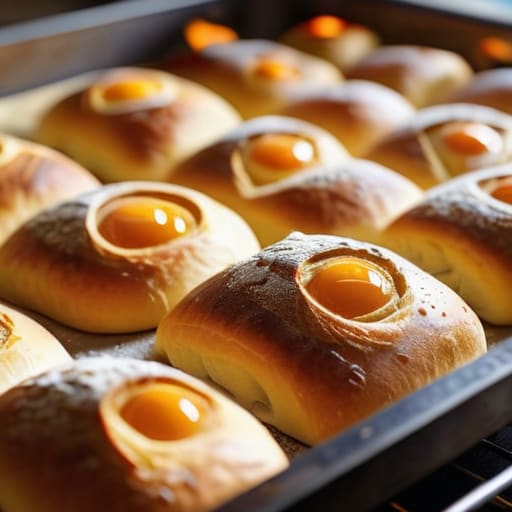
Mapping an Oven With a Tray of Bread
I spent thirty-four years waking up at four in the morning to the smell of yeast and the hum of a wood-fired oven that had more personality than most people I know. Back then, you didn’t consult a digital sensor or buy a fancy infrared thermometer to understand your heat; you learned by the way the crust crackled or how a loaf slumped in the middle. People today get so frustrated when their bakes come out looking like a patchwork quilt—burnt on one side and doughy on the other—and they immediately blame the recipe or their hydration levels. But the truth is much simpler: your oven is a living thing, not a laboratory, and if you don’t know how to find your oven’s hot spots, you’re just guessing in the dark. I’m not here to sell you a gadget or a complicated scientific chart. I want to show you how…
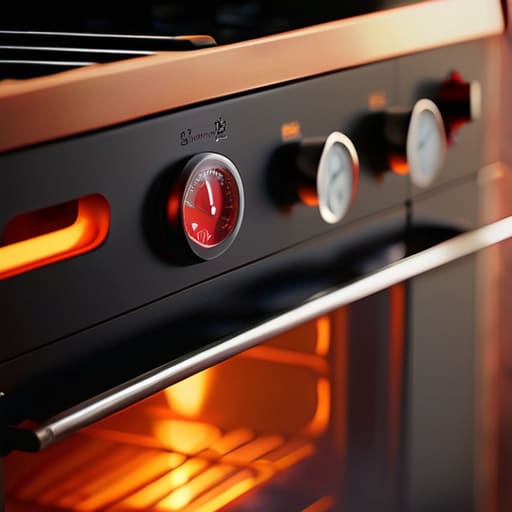
Your Oven Is Not the Temperature It Claims
I spent thirty-four years standing in front of a wood-fired oven that had the temperament of a moody teenager, and if there is one thing I learned, it’s that you cannot trust the little glowing numbers on your appliance. People spend hundreds of pounds on fancy digital thermometers and high-tech convection settings, thinking they’ve mastered the heat, but they’re just being lied to by a piece of cheap plastic. The truth about how oven temperature really behaves is that it isn’t a steady, magical number; it’s a living, breathing cycle of surges and drops that your recipe simply cannot account for. If you aren’t looking at the actual energy inside that box, you’re just guessing. I’m not here to sell you a new gadget or a complicated chart. My promise to you is much simpler: I am going to tell you how to actually feel the heat and recognize the…

Testing Baking Powder Before You Waste a Batch
I remember a Tuesday morning back in ’94, around four in the morning, when I pulled a tray of what should have been airy brioche out of the oven only to find them as heavy and lifeless as river stones. I had followed the recipe to the gram, but the yeast had quietly surrendered to time in the back of the pantry. It’s a heartbreak I’ve seen a thousand times, and it usually comes down to one thing: people treat yeast and sourdough starters like they are stable chemicals rather than living, breathing organisms. If you are staring at a bowl of dough that refuses to budge, you don’t need a new recipe; you need to know how to test if raising agents are alive before you waste your expensive flour and your precious time. I’m not going to give you some complicated laboratory procedure or tell you to buy…

Powder or Soda: the Acid Decides
I remember a Tuesday morning back in ’94, standing over a tray of sunken sponge cakes that looked more like sad, beige pancakes than anything resembling a proper tea cake. My apprentice had grabbed the wrong tin, thinking it didn’t matter because they both “make things go up,” but that is a lie that costs you your reputation and a wasted batch of butter. People spend far too much time buying expensive, specialty leaveners when the real trouble is simply not understanding how baking powder and soda differ in their basic chemistry. It isn’t about the brand on the label; it’s about whether you’ve provided the acidic spark necessary to wake the beast. I am not here to give you a chemistry lecture that reads like a textbook, nor am I going to sell you on some miracle ingredient. I’m going to tell you exactly what happens inside your batter…
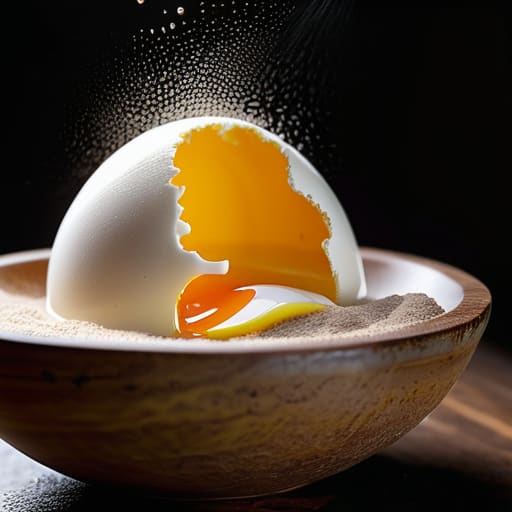
What Each Part of an Egg Contributes
I remember a Tuesday morning back in ’94, around three in the morning, when a batch of brioche came out of my oven looking more like dense, yellow bricks than airy clouds. I had followed the recipe to the letter, but I hadn’t accounted for the fact that my eggs were pulled straight from a cold cellar rather than sitting on the counter. That’s the thing about people who treat ingredients like static numbers on a page; they never stop to ask how eggs work in baking when the temperature of the kitchen shifts. An egg isn’t just a measurement you tick off a list; it is a living, changing variable of fat and protein that can either lift your sponge or sink your entire afternoon if you treat it with indifference. I’m not here to sell you on some expensive, artisanal egg-whisking technique or a gadget that promises perfection.…
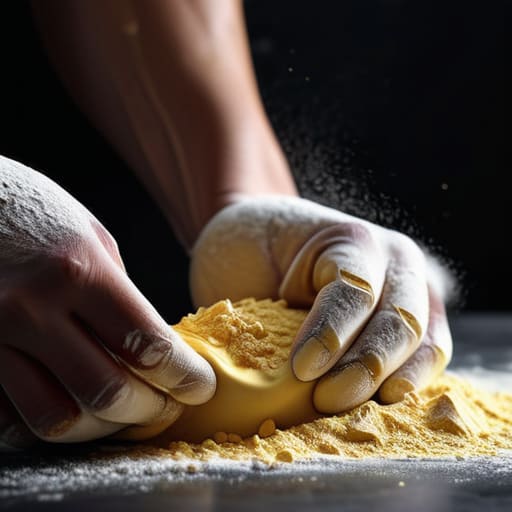
Fat Shortens Gluten and That Is the Point
I remember standing in my bakery at four in the morning, thirty years ago, staring at a batch of brioche that felt more like wet clay than dough. I had followed a recipe to the letter, yet the crumb was tight, stubborn, and utterly lifeless. People love to talk about “luxury ingredients” as if a gold-leafed pastry makes a good loaf, but they miss the fundamental science of how fat changes texture in the actual structure of the grain. It isn’t about making things expensive; it is about how a bit of butter or oil acts as a buffer, coating those gluten strands so they don’t fight each other quite so hard. I am not here to sell you on fancy emulsions or complicated culinary jargon that leaves your kitchen a mess. Instead, I want to show you how to feel the difference in your hands when you’re working with…