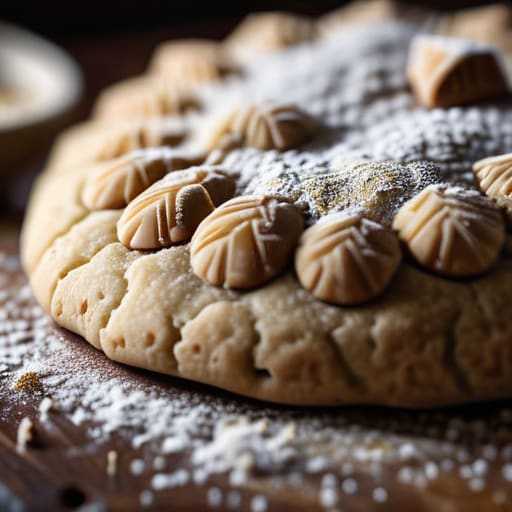
Stop Blaming the Recipe and Start Listening to the Dough: a Masterclass in Troubleshooting Common Cookie Baking Mistakes.
I spent thirty-four years watching people walk into my shop, clutching a recipe they’d printed off a website, looking absolutely devastated because their kitchen didn’t perform like a laboratory. They’d tell me their cookies were “broken,” as if the dough had a mind of its own, when the truth was much simpler: they were fighting their equipment or rushing the chemistry. Most of the advice you find online regarding troubleshooting common cookie baking mistakes is just a fancy way of telling you to buy a more expensive mixer or a specialized thermometer. But let me tell you, a high-end stand mixer won’t fix a cookie that has spread into a single, greasy pancake if your butter was too warm or your measurements were nothing but guesses made with a measuring cup. I’m not here to sell you a gadget or a complicated new technique. What I am going to do…
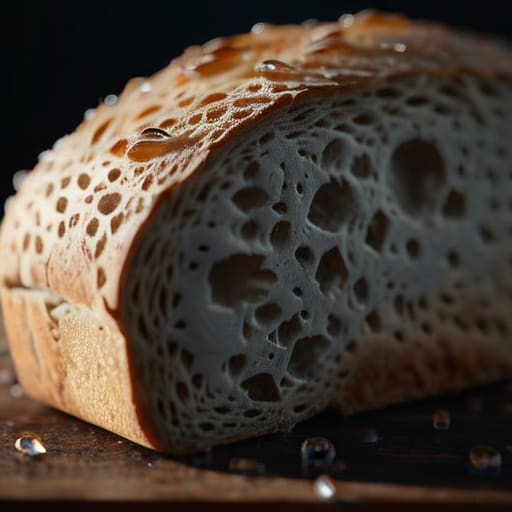
Bread Goes Stale Fastest in the Fridge
I remember sitting in my shop at five in the morning, the air thick with the scent of yeast and the heat from the wood-fired oven, watching a customer tear into a loaf I’d pulled just hours before. They looked at me, puzzled, and asked why it felt a bit tight already. Most people will tell you it’s just “getting old” or some mysterious chemical decay, but they’re selling you a half-truth. They want you to think it’s an inevitable march toward dryness, but understanding how staling actually happens is less about magic and more about the physics of moisture. It isn’t just about losing water to the air; it’s about the starch inside the bread rearranging itself into something stubborn and unyielding. I’m not here to give you a lecture on molecular biology or sell you some expensive airtight container that promises to stop time. I want to tell…
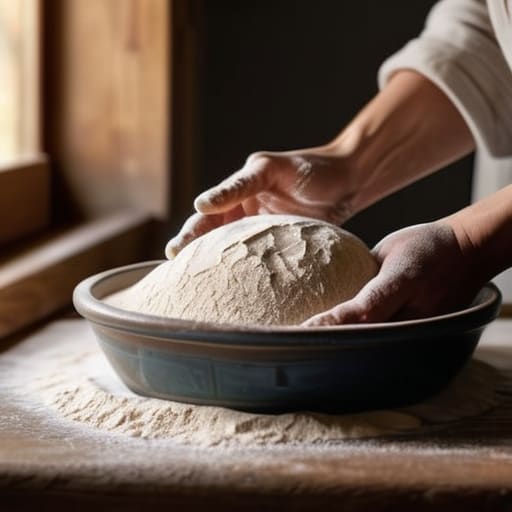
Stop Chasing the Perfect Photograph and Learn How to Master Sourdough Bread Making Through the Intuition of Weight, Patience, and the Truth of the Dough.
I spent thirty-four years waking up at four in the morning to the sound of flour hitting wooden bowls, and if there is one thing I’ve learned, it’s that you don’t need a thousand-dollar Dutch oven or a degree in microbiology to succeed. Most people spend months searching for the “secret” to how to master sourdough bread making, buying every expensive gadget and following every influencer’s hyper-stylized video, only to end up with a brick that could break a tooth. They focus on the gear, but they forget that a sourdough starter doesn’t care about your kitchen aesthetic; it only cares about the temperature of your hands and the rhythm of your kitchen. I’m not here to sell you a lifestyle or a complicated checklist of things you don’t need. I’m going to teach you to look past the glossy photographs and start understanding the actual living science of your…

Stop Chasing the Photograph: Why True Mastery Lies in the Art of Decorating Custom Birthday Cakes, Not the Perfection of the Piping Bag.
I’ve spent forty years watching people lose their minds over the wrong things in a kitchen, and nothing is quite as absurd as the obsession with expensive, specialized tools for the art of decorating custom birthday cakes. You see them in the glossy magazines—rows of gold-plated spatulas and intricate molds that cost more than a decent sack of flour—but let me tell you a secret: those tools won’t fix a cake that’s slumped because you rushed the cooling process. I once saw a young decorator weep over a ruined fondant finish, not because her equipment failed, but because she was fighting the temperature of the room instead of working with it. I’m not here to teach you how to mimic a photograph or how to spend a fortune on gadgets you’ll only use once. Instead, I want to talk to you about the feel of the buttercream under a palette…
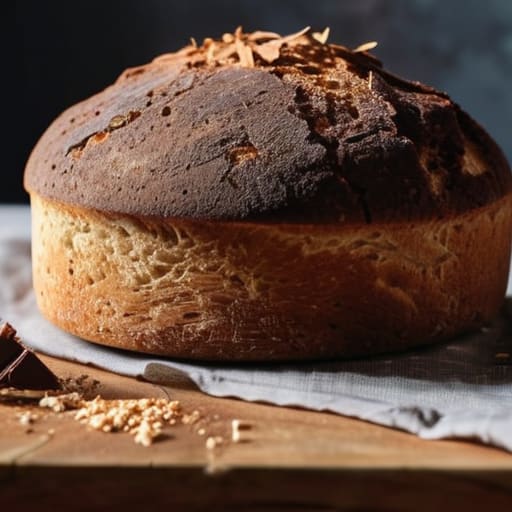
Storing Bread and Cake Are Opposite Problems
I spent thirty-four years watching people throw away perfectly good loaves simply because they followed the wrong advice. You’ll see those fancy, airtight plastic containers in every kitchen shop, promising to keep your bread fresh for weeks, but all they really do is trap moisture and turn a beautiful, crisp crust into something that feels like a damp sponge. If you’re looking for a magic gadget to solve your problems, you’re in the wrong place; learning how to store baked goods isn’t about buying more plastic, it’s about understanding the delicate balance between the air and the crumb. I’m not going to give you a list of expensive gadgets or complicated science experiments that require a laboratory. Instead, I’m going to tell you how to treat your bread with the respect it deserves, whether it’s a high-hydration sourdough or a simple tea cake. We will talk about linen, why the…
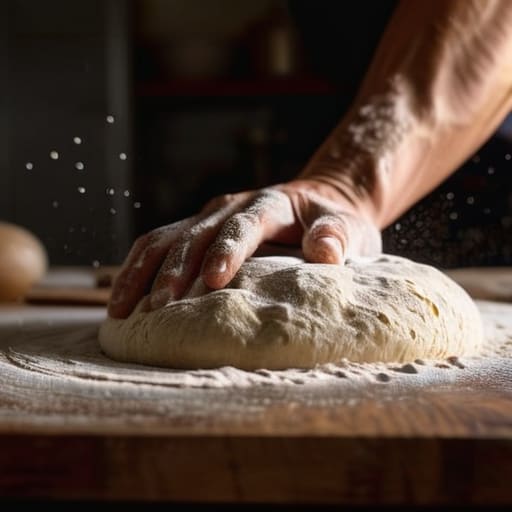
Adjusting for a Damp Day
I remember a Tuesday in mid-August, back when I was still pulling loaves out of the oven at four in the morning, when a batch of my signature sourdough simply refused to hold its shape. I had followed my weights to the gram, but the air in the kitchen was so thick and heavy you could almost chew it. That’s when it hit me—again—that no matter how precise your scale is, you cannot ignore how humidity changes dough right under your very nose. You can stare at a recipe until your eyes ache, but if the air is drinking the moisture right out of your flour, those numbers on the page are nothing but empty promises. I’m not here to sell you a fancy hygrometer or a climate-controlled proofing box that costs more than my first car. What I want to do is teach you how to actually listen to…
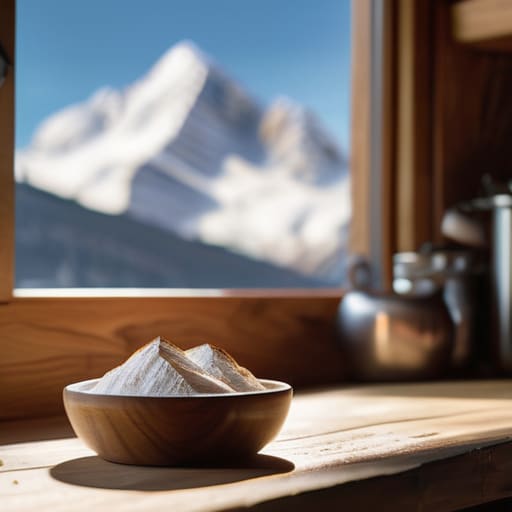
Baking Higher Up Needs Different Numbers
I remember a young man, barely twenty, coming into my shop one Tuesday morning with a face as red as a slapped cheek because his sponge cakes were coming out of the oven looking like sad, sunken puddles. He had followed a famous cookbook to the letter, swearing the recipe was broken, but he didn’t realize that the air around him was thinner than the air in my village. People love to blame the book or the brand of flour, but they rarely stop to consider how altitude affects baking; they forget that the atmosphere itself is a silent ingredient that changes the math of your kitchen. I’m not going to give you a list of “magic” additives or tell you to buy expensive new equipment just because you live in the mountains. Instead, I’m going to show you how to read your dough and adjust your hydration and leavening…
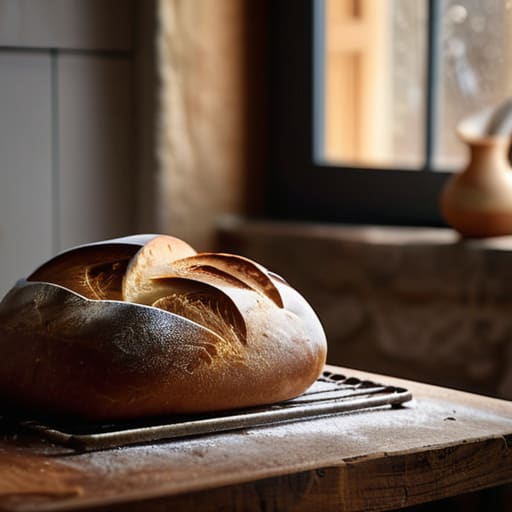
Cooling Is Part of the Bake
I remember a young lad who used to come into my shop every Tuesday, eyes wide as he watched me pull the sourdough from the oven. One morning, he reached out with a hungry hand to grab a loaf that was still steaming, and I had to swat him away like a persistent fly. He thought the work was done once the timer went off, but he didn’t realize that knowing how to cool bakes correctly is just as vital as the fermentation itself. If you hack into a loaf while the steam is still trapped inside, you aren’t just cutting bread; you are stealing the moisture that makes the crumb what it is, leaving you with nothing but a gummy, sad mess. I’m not going to sell you on fancy cooling racks or expensive countertop marble; I’m going to tell you what is actually happening inside that crust. We…
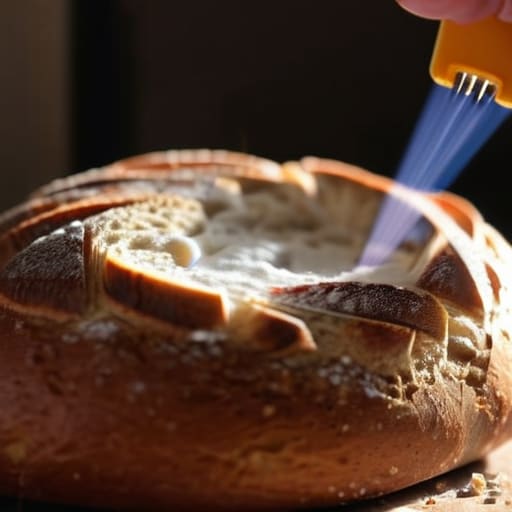
Internal Temperature Beats Guessing Every Time
I spent thirty-four years standing before a wood-fired oven that didn’t have a single digital sensor to tell me what was happening, and if there is one thing those years taught me, it is that you cannot trust a timer. People spend a fortune on expensive instant-read thermometers and fancy apps, yet they still pull a loaf out of the oven only to find it’s gummy in the middle or as dry as a bone. If you are relying solely on a clock to figure out how to tell when something is baked, you aren’t baking; you are just following instructions and hoping for the best. I’m not here to give you a list of gadget-heavy hacks or tell you to stare at a photograph of a golden crust. Instead, I want to teach you how to use your own senses—the way a real baker does. We are going to…
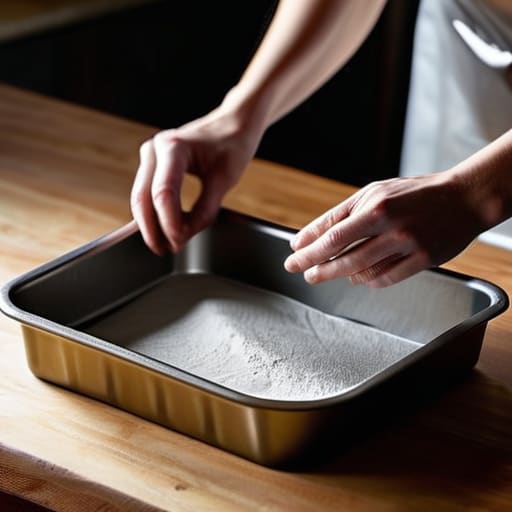
Lining a Tin So Nothing Sticks
I remember a Tuesday morning, back when the flour dust was thick enough to taste, watching a young apprentice try to salvage a beautiful, high-hydration sourdough by hacking it out of a poorly greased tin with a knife. The loaf didn’t just break; it surrendered, leaving half the crumb stuck to the metal like a stubborn memory. People spend a fortune on non-stick pans or fancy silicone liners, thinking they can buy their way out of a mistake, but they’re missing the point of how to prepare a tin properly. You don’t need a gadget; you need to understand the relationship between the fat, the heat, and the surface of the metal. I’m not here to sell you a specific brand of spray or a complicated multi-step ritual that takes more time than the proofing itself. Instead, I’m going to show you how to treat your tins with the same…