I remember sitting in my shop at five in the morning, the air thick with the scent of yeast and the heat from the wood-fired oven, watching a customer tear into a loaf I’d pulled just hours before. They looked at me, puzzled, and asked why it felt a bit tight already. Most people will tell you it’s just “getting old” or some mysterious chemical decay, but they’re selling you a half-truth. They want you to think it’s an inevitable march toward dryness, but understanding how staling actually happens is less about magic and more about the physics of moisture. It isn’t just about losing water to the air; it’s about the starch inside the bread rearranging itself into something stubborn and unyielding.
I’m not here to give you a lecture on molecular biology or sell you some expensive airtight container that promises to stop time. I want to tell you what is really going on inside that crumb so you can stop fighting a losing battle. I’ll show you how your cooling habits and your choice of flour dictate the clock, because once you understand the mechanics, you can finally work with the bread instead of against it.
The Amylopectin Recrystallization Process a Molecular Betrayal
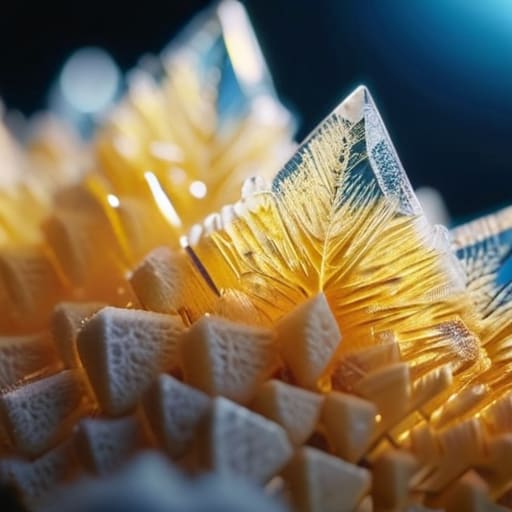
Now, don’t let the fancy terminology scare you off; it’s much simpler than the scientists make it out to be. When we talk about the amylopectin recrystallization process, we’re really just talking about the starch molecules in your loaf trying to find their way back home. During baking, those starch granules swell up and soak up water, getting all soft and happy. But once the loaf leaves the heat, those molecules start to realign and pack themselves back together into a rigid, crystalline structure. It’s a bit like a crowd of people at a busy market suddenly deciding to stand in perfect, stiff rows—the softness and the life just vanish.
This is the heart of starch retrogradation in bread, and it’s why a loaf that felt like a cloud at noon feels like a brick by dinner. As those starch crystals reform, they actually squeeze the water out of the crumb. This isn’t just a change in feel; it’s a fundamental shift in the bread’s architecture. It’s not that the bread is “old” in the way a person is; it’s just that the molecules are becoming too organized for their own good.
Starch Retrogradation in Bread the Slow Hardening of Time
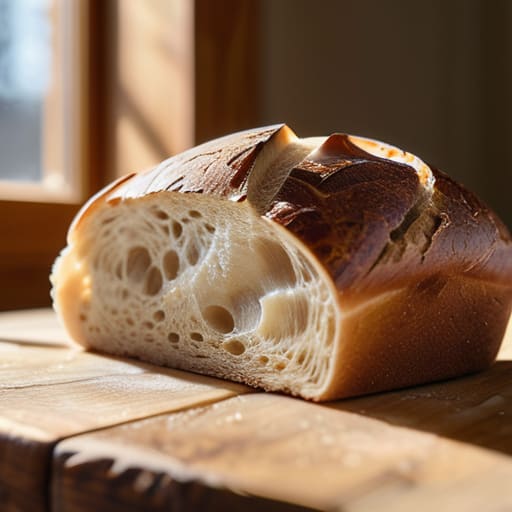
Now, don’t go thinking that the molecular betrayal I just mentioned is the whole story. If amylopectin is the culprit, then starch retrogradation in bread is the slow, inevitable march of time. Think of it this way: when you pull a loaf from the oven, the starches are swollen, soft, and happy, held in a delicate, gelatinized state by the heat. But as that loaf sits on your counter, those starch molecules begin to realign themselves. They aren’t just sitting there; they are trying to find their way back to a more ordered, crystalline structure. It’s a restless sort of settling that turns a pillowy crumb into something stubborn and gritty.
This isn’t just a matter of the bread getting “old”; it is a physical reorganization of the bread’s very bones. The effect of temperature on starch is massive here—if you shove a warm loaf into a plastic bag to “save” it, you aren’t stopping this process; you’re just inviting moisture migration in baked goods to move from the crumb to the crust, leaving you with a gummy interior and a leathery skin. It’s a delicate balance, and once those crystals lock into place, you can’t simply warm them back to life.
Five Ways to Fight the Hardening

- Watch your temperature, not just the clock. Staling accelerates when the loaf sits in a drafty spot or a cold kitchen; starch molecules are sensitive souls, and a sudden drop in temperature is exactly what triggers that recrystallization we were just talking about.
- Stop the slicing madness. The moment you cut into a loaf, you’ve opened the floodgates for moisture to escape. If you can’t wait for it to cool completely—and I mean completely, because a warm loaf is a dying loaf—keep it whole as long as humanly possible.
- Forget the refrigerator. I know it feels like you’re “preserving” it, but putting bread in the fridge is like fast-tracking its demise; the cold temperature there is the perfect breeding ground for starch retrogradation, making it go stale twice as fast as it would on the counter.
- Use the right vessel for the job. A paper bag is fine for a few hours, but if you want to hold back the clock, you need something that breathes just a little but keeps the moisture trapped inside—a linen cloth or a proper bread box is worth its weight in flour.
- Learn to use the oven as a reset button. If a loaf has gone a bit firm, don’t toss it; a quick stint in a hot oven with a tiny splash of water can temporarily soften those starch crystals, giving you one last window of glory before the moisture is gone for good.
What to Remember When Your Loaf Goes Hard
Staling isn’t a sudden event; it’s a slow, inevitable shift in how the starch holds onto water, meaning your bread is fighting a losing battle against chemistry from the moment it leaves the oven.
Temperature is your biggest enemy or your best friend—while a warm environment might make a loaf feel soft for a moment, the real “hardening” happens as the bread settles and cools toward room temperature.
You cannot fix a stale loaf by simply waiting; once those starch molecules have locked themselves back into a rigid structure, the moisture is trapped or lost, and no amount of wishing will make the crumb supple again.
Beyond the Science of Staling
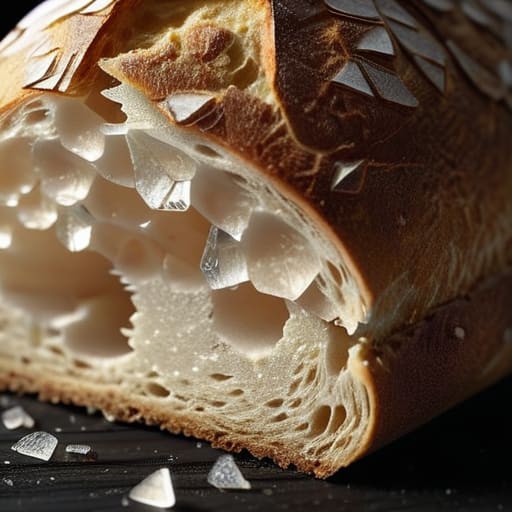
So, when you look at a loaf that has gone from pillowy to parched, don’t go blaming your flour or your oven temperature. We’ve seen the truth of it: it’s a quiet, molecular shift where the starch decides to reorganize itself, turning that soft, airy crumb into something stubborn and unyielding. Whether it’s the recrystallization of amylopectin or the simple, inevitable migration of moisture from the crumb to the crust, staling is less of a sudden failure and more of a slow, structural retreat. It is the natural consequence of time meeting biology, and once those crystals have set, you can’t simply wish them back into softness.
But don’t let the science discourage you from the bake. Understanding why the bread changes doesn’t make the process any less magical; it just means you know how to respect it. If you want to fight back, respect your hydration, watch your cooling times, and never, ever rush the process. Baking is a conversation between your hands and the dough, and sometimes that conversation ends with a bit of a hard truth. Just remember that every loaf—even the one that goes stale a day too soon—is a lesson in patience and precision. Keep your hands gentle and your kitchen warm, and the bread will almost always find its way back to you.
Frequently Asked Questions
If the starch is recrystallizing, why does a piece of bread feel hard and dry instead of just being firm?
It feels hard because that recrystallization is a thief. As those starch molecules snap back into a rigid structure, they aren’t just getting firm; they are actively squeezing the moisture out of the crumb. That water has nowhere to go, so it migrates to the crust or evaporates entirely. You aren’t just feeling a change in structure; you’re feeling the loss of the very thing that makes bread soft—the water that keeps those granules apart.
Does keeping my bread in the fridge actually speed up this whole process, or am I just making things worse?
You’re making it worse. I know it feels like you’re “preserving” it, but the fridge is a death sentence for a good crust. That cold temperature is the perfect playground for starch retrogradation—it actually accelerates the recrystallization process I just told you about. You aren’t slowing down time; you’re just speeding up the hardening. If you must save it, keep it in a paper bag at room temperature, or better yet, freeze it.
Can I actually reverse the hardening once it starts, or is that molecular shift permanent?
You can’t un-ring the bell, but you can certainly coax the life back into it. That molecular shift isn’t permanent if you use heat wisely. A quick trip to a hot oven—not a microwave, which turns the crumb into rubber—will temporarily soften those starch crystals. It’s a temporary reprieve, mind you; once it cools, the hardening begins anew. You aren’t fixing the structure; you’re just borrowing time.