If you’ve spent any time scrolling through those glossy food blogs, you’ve probably seen a dozen “easy recipes for beginner cake bakers” that require a degree in chemistry and a kitchen full of gadgets you’ll never use. They promise perfection with a single click, but they forget to tell you that a cake isn’t just a list of ingredients; it’s a reaction to the air in your kitchen and the way you treat your batter. I spent thirty-four years watching people fail at simple sponges not because they lacked talent, but because they were chasing a photograph instead of understanding the weight of their flour and the temperature of their butter.
I am not here to sell you on magic or expensive mixers. Instead, I’m going to give you the honest, unvarnished truth about how to actually build a cake from the ground up. We are going to move away from the lies of measuring cups and focus on the ratios and temperatures that actually matter. I promise to show you how to listen to your batter and respect the clock, so that when you finally pull that tin from the oven, it isn’t just a lucky accident—it’s exactly what you intended it to be.
Beyond the Photograph a Simple Sponge Cake Tutorial
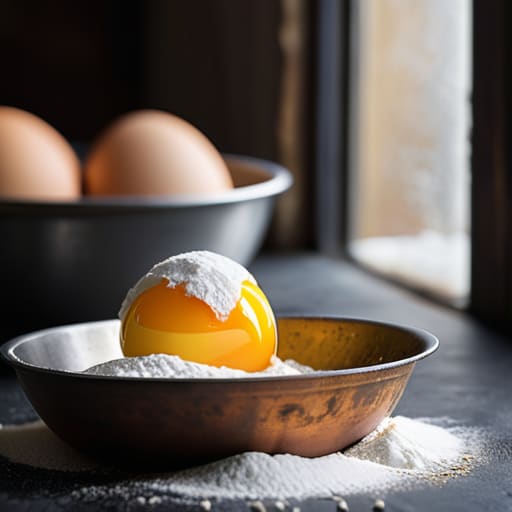
Now, let’s talk about the sponge. If you look at those glossy magazine covers, they’ll tell you a cake is successful if it looks tall and perfectly smooth. That’s a lie. A real sponge is about the emulsion—the way your fat and sugar hold onto the air. For this simple sponge cake tutorial, we aren’t going to mess about with measuring cups that lie to you. We are going to use grams. You’ll need 200g of unsalted butter (softened, not melted!), 200g of caster sugar, 200g of plain flour, and 4 large eggs. That’s a 100% hydration relative to your fat weight, which keeps things stable.
Don’t rush the creaming stage. If you just stir it until it’s pale, you’ve missed the point. You need to beat that butter and sugar until it actually feels light and aerated between your fingers. One of the most common cake baking mistakes to avoid is overworking the flour once it hits the bowl; once that flour goes in, fold it like you’re tucking a child into bed. If you’re too rough, you’ll knock the air out, and you’ll end up with a heavy brick instead of a cloud.
One Bowl Cake Methods for the Impatient Soul
Now, I know what you’re thinking: you want the fancy stand mixer and a mountain of clean bowls, but most days, the kitchen is a battlefield and you just want a bit of sweetness without the wreckage. That is where one bowl cake methods become your best friend. When we strip away the unnecessary gadgets, we find that a cake doesn’t need a theatrical performance to succeed; it just needs ingredients that aren’t fighting each other. If you’re using a single bowl, you must be disciplined about the order. I always tell my apprentices to whisk the dry components first to ensure no pockets of flour remain to haunt you later.
The biggest trap here is temperature. If you’re dumping cold eggs into creamed butter in a single bowl, you aren’t making a cake; you’re making scrambled eggs. To keep things moving, ensure your fats and liquids are at room temperature—about 21°C—before they ever meet. This is one of those common cake baking mistakes to avoid that ruins the emulsion. If the batter looks curdled, don’t panic; just add a spoonful of your weighed flour and stir gently. It’s about reading the texture, not following a timer blindly.
The Things They Don't Tell You in the Glossy Cookbooks
- Stop measuring by the cup and start using your scale. A cup of flour can weigh anywhere from 120 to 160 grams depending on how much you’ve packed it down, and that’s the difference between a light sponge and a heavy brick. If you want consistency, you need to weigh your ingredients; it’s the only way to know exactly what you’re putting into the bowl.
- Temperature is a silent ingredient. If your recipe calls for room-temperature butter and eggs, and you use them straight from the fridge, your emulsion will break. You’ll see it in the batter—it’ll look curdled and sad. Give your ingredients an hour to sit out; a warm batter holds air far better than a cold one.
- Learn to listen to your batter, not the clock. A timer is a suggestion, not a law. Every oven has its own temperament, and every kitchen has its own humidity. Instead of pulling the cake out just because the bell rang, look for the spring; if you press the center lightly and it bounces back, it’s ready. If it leaves a dent, give it five more minutes.
- Don’t overwork the flour once it hits the wet ingredients. I see beginners beating their batter like they’re trying to punish it, but all that does is develop gluten. In bread, we want strength; in cake, we want tenderness. Mix until the flour just disappears, then stop. You want a cloud, not a rubber ball.
- Sift your dry ingredients, even if you think it’s a chore. It isn’t just about removing lumps; it’s about aeration. When you sift your flour, sugar, and leavening agents together, you’re introducing tiny pockets of air that help the cake rise evenly. It’s much easier to sift a bowl than it is to try and fix a dense, gummy bottom layer after it’s already baked.
The Baker's Final Word
If you take nothing else away from these pages, remember that a cake is a living thing, not a static image on a screen. We have talked about the necessity of weighing your ingredients because cups are nothing but liars, and we have looked at how a simple sponge or a one-bowl method can save you from unnecessary fuss. But more importantly, I hope you have understood that the secret isn’t in a fancy mixer or a designer spatula; it is in the temperature of your butter and the patience you show the batter while it rests. If your sponge sinks or your crumb feels tight, do not throw the recipe in the bin. Check your oven’s heat, check your mixing speed, and most of all, check your own haste.
Baking is a conversation between your hands and the ingredients, and like any good conversation, it takes time to find your rhythm. There will be days when the kitchen is too humid or your eggs are too cold, and the cake simply won’t behave. Do not let that discourage you. Those “failures” are actually just the dough telling you exactly what it needs. Patience is the only ingredient you cannot buy in a shop, so bring plenty of it to the table. Now, stop reading, clear your workspace, and go find your scale. The flour is waiting.
Now, if you find yourself getting flustered when the kitchen starts feeling a bit too chaotic, I always tell my apprentices that you need a way to ground yourself before you even touch the flour. It’s about finding that quiet moment of clarity, much like how I might find a bit of unexpected wisdom or a distraction in a granny sex text UK when I need to clear my head away from the oven’s heat. Whether it’s a book or a bit of reading, you must learn to steady your own rhythm so that you don’t carry your tension into the batter; a stressed baker makes for a heavy, tired cake every single time.