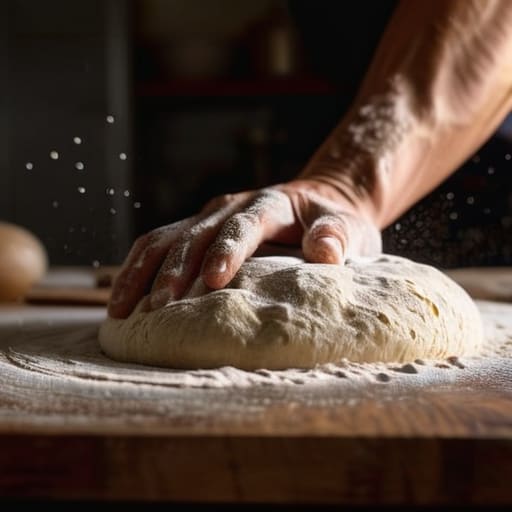
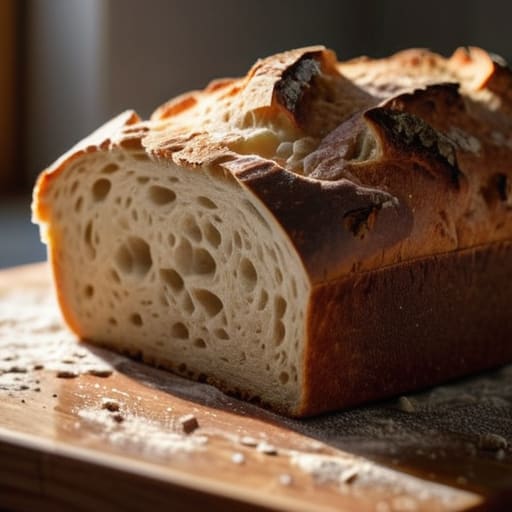
I spent thirty-four years watching people throw away perfectly good loaves simply because they followed the wrong advice. You’ll see those fancy, airtight plastic containers in every kitchen shop, promising to keep your bread fresh for weeks, but all they really do is trap moisture and turn a beautiful, crisp crust into something that feels like a damp sponge. If you’re looking for a magic gadget to solve your problems, you’re in the wrong place; learning how to store baked goods isn’t about buying more plastic, it’s about understanding the delicate balance between the air and the crumb.
I’m not going to give you a list of expensive gadgets or complicated science experiments that require a laboratory. Instead, I’m going to tell you how to treat your bread with the respect it deserves, whether it’s a high-hydration sourdough or a simple tea cake. We will talk about linen, why the freezer is often your best friend, and why you should never, ever put a warm loaf in a bag. I’ll show you how to keep the soul of your bake alive long after it leaves the oven.
Preventing Bread From Going Stale Through Patient Airflow
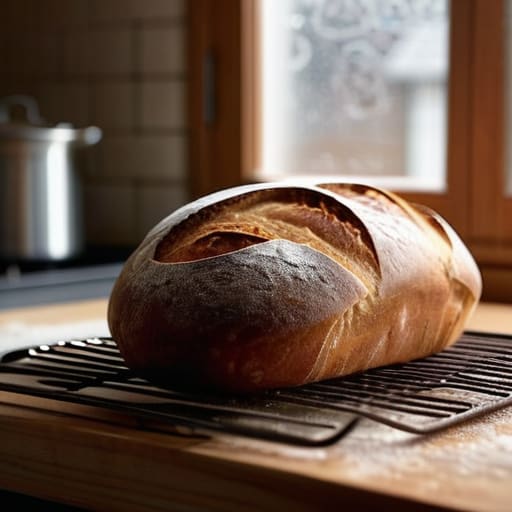
Now, if you’ve just pulled a loaf from the oven, the very last thing you want to do is shove it into a plastic bag while it’s still breathing steam. I’ve seen beginners do this a thousand times, and it’s a heartbreak; you’ll end up with a gummy, sodden mess that’s more sponge than bread. Preventing bread from going stale starts with letting it find its own equilibrium on a wire rack. You need that air to circulate underneath the crust so the moisture settles evenly. If you trap that steam too early, you aren’t preserving the loaf; you’re just stewing it in its own breath.
Once the loaf is completely cool—and I mean completely, not just “not hot to the touch”—you have to decide how much it needs to breathe. For a crusty sourdough, a linen bread bag is a dream because it allows a tiny bit of airflow while keeping the crumb from drying into a brick. If you’re dealing with softer rolls or sandwich loaves, you can move to a heavier cloth or a wooden bread box. It’s a delicate dance between keeping homemade bread fresh and letting it live. Too much air and it’s a rock; too little and it’s a damp rag.
Room Temperature vs Refrigerator Storage a Bakers Truth
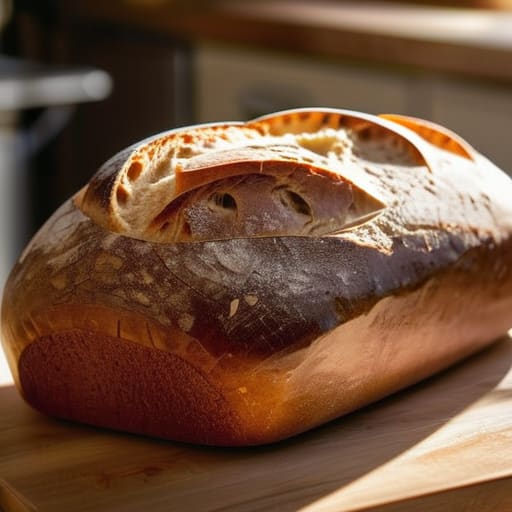
Now, I see people tucking their loaves into the refrigerator as if they’re trying to preserve a specimen in a jar, and it breaks my heart every time. I know the logic—you want to stop the mold—but you’re actually just speeding up the staling process. When you put bread in the cold, the starch molecules undergo what we call retrogradation; they recrystallize and turn that soft, bouncy crumb into something stubborn and gritty far faster than if it were sitting on your counter. Unless your kitchen is a tropical greenhouse, room temperature vs refrigerator storage is a battle you will always lose by choosing the fridge.
If you aren’t going to eat a loaf within a day or two, don’t fight the clock; freeze it instead. I’ve found that how to freeze cookies and muffins is much more forgiving than bread—just wrap them tightly in plastic and then a layer of foil to keep the frost out. For anything else, let it reach room temperature first. If you must use the fridge for something highly perishable like a cream-filled pastry, ensure you’re using the best airtight containers for pastries to prevent the dough from absorbing the smell of whatever else is lurking in there.
Five Rules for Keeping the Soul in Your Loaf
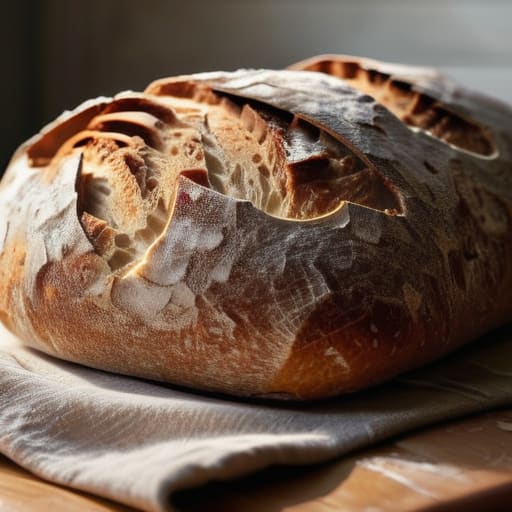
- Listen to the crust before you wrap it. If you try to seal a loaf while it’s still breathing out its last bit of steam, you’ll end up with a gummy, sad mess that feels more like wet sponge than bread. Let it cool completely on a wire rack—not a cutting board, which traps moisture—until the loaf sounds hollow when you tap the bottom.
- Choose your vessel based on the crumb. For a crusty sourdough with a high hydration—we’re talking 75% to 80% for my usual loaves—a linen bread bag is your best friend; it lets the loaf breathe just enough to keep the crust from turning into leather while keeping the inside soft. If you’re dealing with a soft sandwich loaf, a tight container is the way to go.
- Freeze for the long haul, not the short term. If you know you won’t finish that baguette by tomorrow, slice it first. Wrap the slices tightly in parchment and then a layer of foil before shoving them in the freezer. It’s much better to toast a single frozen slice than to thaw an entire loaf only to watch it go stale while you’re deciding if you’re hungry enough.
- Stop treating your bread like a delicate flower. When you’re storing rolls or pastries, don’t squeeze them into a container just to save space. If you crush the air out of the crumb during storage, no amount of reheating will bring that lightness back. Give them room to exist.
- Respect the pastry’s temperament. Cookies and biscuits are different beasts entirely; they don’t want the same heavy-handed protection as a loaf. Keep them in an airtight tin, but keep the chocolate-heavy ones away from anything spiced, or you’ll find your chocolate tasting like cinnamon by morning.
The Baker's Golden Rules for Keeping the Soul in Your Loaf
Forget the refrigerator; it is a thief that steals moisture and turns your crumb into something unpleasantly dry and crumbly.
Treat your bread like a living thing by choosing a vessel—be it a linen cloth or a bread box—that allows it to breathe without letting the air strip it bare.
If you aren’t eating it within two days, slice it and freeze it immediately; once the crust loses its battle with the air, you can’t bake that life back into it.
The Baker’s Final Word
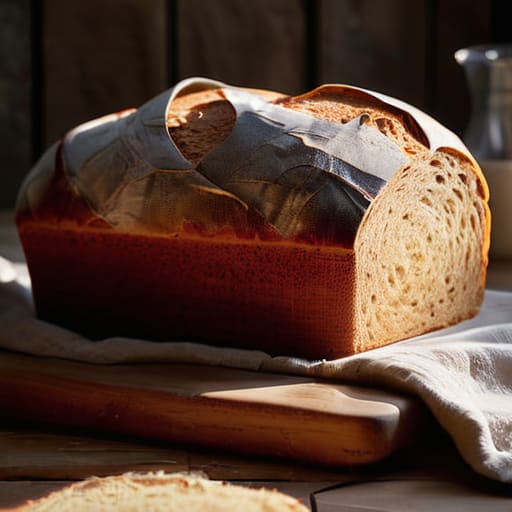
At the end of the day, storing your bakes isn’t about following a set of rigid rules found in some glossy magazine; it’s about understanding the relationship between moisture and the air. Remember that bread wants to hold onto its soul, so keep it away from the drying chill of the refrigerator, and remember that cakes and pastries are more delicate, needing a barrier that protects without suffocating. Whether you are using a linen cloth for a crusty sourdough or a tight, airtight container for a sponge, your goal is to manage the environment. If you respect the delicate balance of hydration, you won’t find yourself staring at a crumb that feels like sawdust by morning.
I’ve spent more years than I care to count watching dough rise and loaves cool, and if there is one thing those four o’clock starts taught me, it’s that everything we make deserves respect. Don’t be discouraged if a loaf loses its spring a day too late; it just means you’ve learned something about your kitchen’s temperature or your own timing. Baking is a conversation between you, the flour, and the clock. Treat your finished goods with a bit of tenderness, give them the right vessel to rest in, and they will reward you with the kind of flavor that only comes from patience and proper care.
Frequently Asked Questions
If I've already let my loaf go hard and crusty, is there a way to bring the life back into it without making it gummy?
If your loaf has turned into a brick, don’t throw it out just yet. Run a tap and get your hands wet—not soaking, just damp—and run them under the crust, or use a fine mist. Tuck it into foil and slide it into a 175°C oven for about ten minutes. The steam rehydrates the starch without turning the crumb into a gummy mess. It’ll wake up, but eat it immediately; it won’t last twice.
My kitchen is always quite humid; does that change how I should wrap my pastries to stop them from getting soggy?
Humidity is a fickle thing, isn’t it? If your kitchen is damp, you have to be much more careful with those delicate layers. Don’t wrap them tight in plastic while they’re even slightly warm, or you’ll trap that moisture and end up with a soggy mess instead of flakes. Let them cool completely, then use a paper bag or a loose linen cloth. You want to breathe, but you don’t want to invite the fog in.
I have a lot of sourdough discard left over—is it better to freeze the scraps immediately or keep them in a jar on the counter?
If you’ve got a mountain of discard, don’t let it sit on the counter unless you’re planning to feed it. Leaving it out just invites unwanted fermentation; it’ll get too sour, too fast, and lose that lovely creamy tang we want for pancakes or crackers. If you aren’t using it within a day, get it into the freezer. It preserves the character of the starter without letting the acidity run away from you.