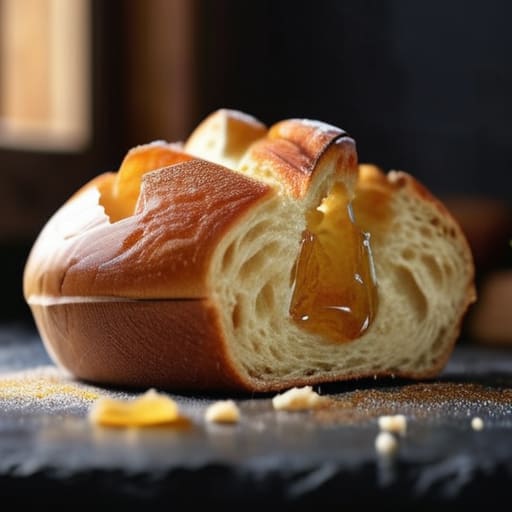
I can still smell the damp flour and the sharp, sour tang of a failed batch from a Tuesday morning in 1994, when I sat on a flour sack and wept because my boules came out looking like leaden bricks. Everyone told me I needed a more expensive mixer or a fancy digital scale, but they were wrong; the problem wasn’t my gear, it was that I was fighting the air in my own kitchen. If you are looking for a complete guide to bread troubleshooting that tells you to buy a new gadget every time your crumb is too tight, you can close this page right now. Most of the “experts” online are selling you solutions to problems that don’t exist, ignoring the fact that bread is a living thing that responds to the room, not just the recipe.
I’m not here to give you a checklist of expensive errors; I’m here to teach you how to listen to your dough. This guide is a promise that we will look at the real culprits—the temperature of your water, the humidity in your pantry, and the way your hands move through the gluten—rather than blaming the flour. We are going to stop chasing perfect photographs and start understanding the mechanics of the grain.
Reading the Yeast Activity Indicators and Sourdough Starter Issues

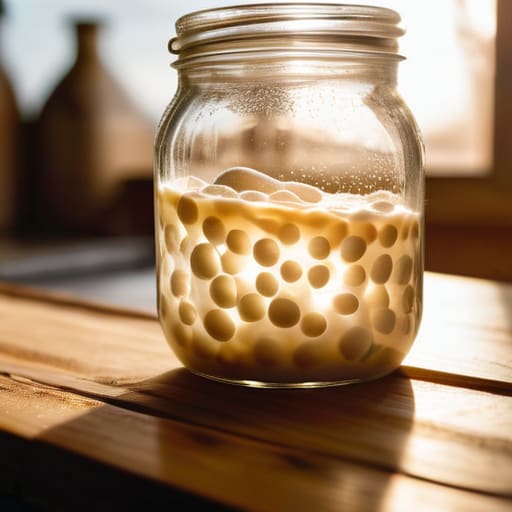
If your dough is sitting there like a heavy, lifeless stone after two hours, don’t go reaching for a new brand of flour just yet. Most of the time, you’re simply misreading your yeast activity indicators. If you’re using a commercial yeast, it might just be old, or more likely, you’ve accidentally scalded it with water that was far too hot. But if you’re working with a wild culture, you’re dealing with a living thing that has moods. I’ve spent decades tending to my starter, and I can tell you that if it isn’t doubling in size within a predictable window, your fermentation environment is likely the culprit.
When it comes to sourdough starter issues, people often mistake a sluggish starter for a “bad” one. Often, it’s just hungry or sitting in a drafty corner. If your starter lacks that bubbly, aerated lightness, it won’t have the strength to lift your dough, no matter how much you knead. You need to see those tiny, consistent bubbles—the sign of a healthy, active colony—before you even think about mixing your final dough. If it’s flat, wait. Patience is your best tool here.
The Truth About Dough Hydration Levels and Flours Demands
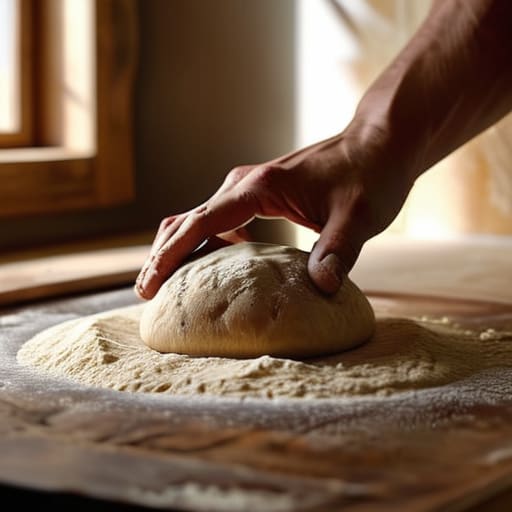
Now, let’s talk about the numbers that actually matter. If you’re still measuring by the cup, please, stop right there. A cup of flour can weigh anywhere from 120 to 160 grams depending on how much you’ve packed it in, and that’s enough to ruin your entire afternoon. I always talk in dough hydration levels because that is where the soul of the bread lives. If I say a dough is 75% hydration, I’m telling you exactly how much water is fighting against the protein in that flour.
But here is the secret they don’t tell you in those glossy magazines: flour is a living, thirsty thing. It isn’t a constant. Depending on the humidity in your kitchen or whether you’ve grabbed a new bag from the store, that flour might drink up more water than the last batch. If your dough feels like a stiff, unmanageable brick, don’t panic and start adding flour like you’re filling a hole in the garden; you’re likely just dealing with a thirsty grain. You have to feel the tension in the mass. Sometimes, a little extra splash of water is the difference between a dense, sad loaf and a crumb that actually breathes.
Five Things Your Dough is Trying to Tell You
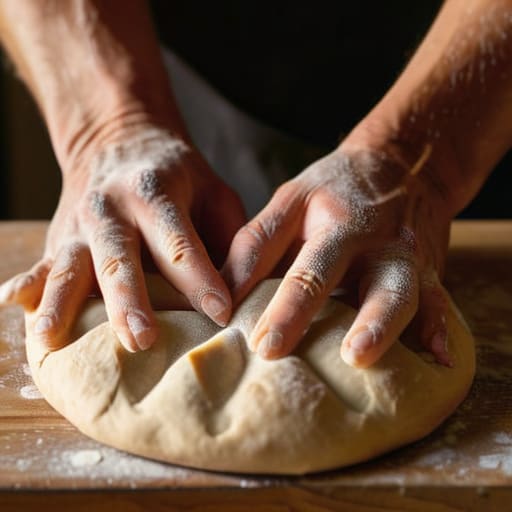
- Stop fighting the thermometer; if your dough feels tight and stubborn, your kitchen is likely too cold, and no amount of extra kneading will make up for a fermentation process that’s been frozen in time.
- Watch your hands, not just the clock—if you’re being too aggressive during the fold, you’ll tear the gluten structure, leaving you with a loaf that lacks strength and refuses to hold its shape in the oven.
- Respect the salt, because if you’re skimping on it to “improve flavor,” you’re actually sabotaging your fermentation by letting the yeast run wild and uncontrolled.
- If your crust is thick and leathery rather than crisp, you’re likely pulling the bread out of the heat too early; a loaf needs that final bit of steam and heat to finish its character.
- Learn to trust the feel of the dough over a timer, because a recipe might say two hours, but if that dough hasn’t doubled in volume and feels airy and alive, it isn’t ready to be shaped, no matter what the clock says.
The Baker’s Three Truths
Stop looking at your clock and start looking at your thermometer; a recipe can tell you when to start, but only the ambient temperature and the warmth of your hands will tell you when it’s actually finished.
If your dough feels like a stubborn, heavy lump instead of a living thing, you haven’t failed the flour—you’ve likely rushed the fermentation or fought the gluten instead of coaxing it.
Trust the feel of the dough over the visual of a photograph, because a loaf that looks “right” in a picture can still be hollow and lifeless if you didn’t respect the hydration and the time it needed to breathe.
The Baker's Way Forward
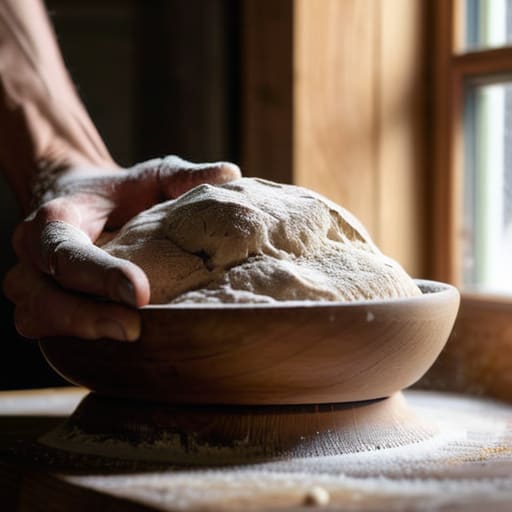
If you’ve been following along, you know I don’t believe in magic, only in variables. Troubleshooting isn’t about finding a “broken” recipe; it is about learning to adjust for the world around you. Whether you are fighting a sluggish starter that needs a warmer corner of the kitchen, or struggling with a dough that feels too slack because your flour is thirstier than usual, the answer is almost always found in the relationship between temperature, time, and touch. Stop looking at the clock and start looking at the dough. If the hydration feels off, adjust your hands; if the yeast is lazy, adjust your environment. Once you stop treating a recipe like a set of rigid laws and start treating it like a conversation with the grain, you’ll stop failing and start truly baking.
At the end of the day, even after thirty-four years of four o’clock starts, I still have days where the oven behaves poorly or the crumb isn’t quite what I envisioned. But I don’t throw the flour in the bin and walk away. I listen to what the dough is trying to tell me. Baking is a messy, living, breathing pursuit, and the mistakes are often the most instructive teachers you will ever have. So, don’t be afraid of a flat loaf or a sticky mess. Just clean your bench, check your water temperature, and try again tomorrow. The bread is waiting.
Frequently Asked Questions
If my dough feels like it's losing its strength halfway through the bulk fermentation, should I keep pushing or just leave it alone?
Stop pushing. If your dough feels like a puddle of slack, uninspired mush halfway through bulk, you’re likely over-proofing or your flour simply can’t hold that much water. If you keep folding and manhandling it, you’ll just tear the gluten structure to shreds. Stop, cover it, and let it rest in a slightly warmer spot. Sometimes the best thing you can do for a tired dough is to leave it entirely alone.
I’ve been using the same starter for months, but suddenly it isn't producing the same lift—is that a temperature issue or have I actually ruined the culture?
Don’t go throwing that jar in the bin just yet; you haven’t ruined it. If it’s been behaving for months and suddenly gone quiet, it’s almost certainly a temperature shift or a change in your feeding rhythm. A sudden cold snap in the kitchen or even a slight change in your water temperature can lull a starter into a slumber. It isn’t dead, it’s just sluggish. Give it a warmer spot and a bit more patience.
My loaves are coming out with a dense, gummy crumb even though I'm following my hydration percentages; am I under-proofing or is my oven not holding enough heat?
It’s likely a bit of both, but let’s look at the dough first. If that crumb feels gummy and heavy, you’ve probably under-proofed; you’ve trapped the gases before they had room to expand, forcing the steam to struggle through a dense structure. However, if your oven isn’t hitting its mark or holding heat, you aren’t getting that initial “oven spring” to lift the weight. Check your fermentation timing before you go blaming your stones.