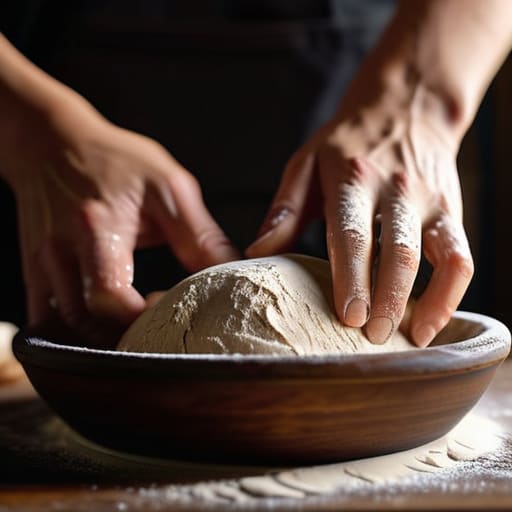
I remember standing in my bakery at four in the morning, thirty years ago, staring at a batch of dough that looked more like a heavy, grey stone than a living thing. I had followed every “expert” tip in the books, yet my loaves were coming out of the oven dense and lifeless. People will try to sell you expensive specialty cultures or complicated laboratory equipment, claiming they have the secret to the perfect rise, but they are usually just selling you a distraction. If you are looking for a complete guide to yeast that relies on fancy gadgets and overpriced powders, you’ve come to the wrong place. The truth is much simpler, and frankly, a lot more alive than a textbook would have you believe.
I’m not here to give you a lecture on microbiology or a list of brand names to buy at the supermarket. Instead, I’m going to teach you how to listen to the fermentation, how to feel the temperature of your water with your own skin, and why timing matters more than any instruction manual. We are going to strip away the nonsense and look at how this tiny, living engine actually works within your dough. By the time we’re done, you won’t just be following a recipe; you’ll be understanding the life inside your flour.
Active Dry Yeast vs Instant Yeast Choosing Your Catalyst
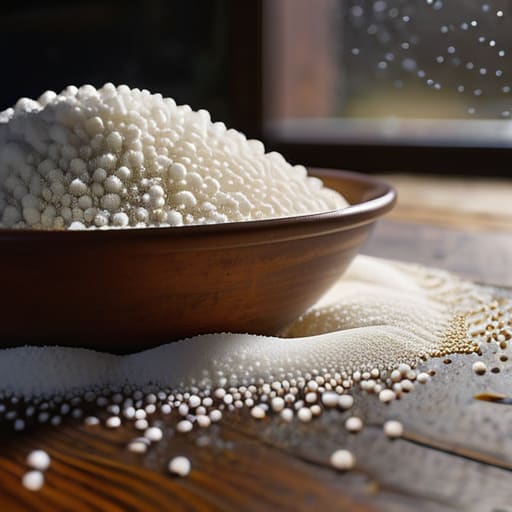
Now, most people walk into a shop and grab whatever packet looks cheapest, but if you want to understand the active dry yeast vs instant yeast debate, you have to understand what you’re actually asking those little granules to do. Active dry yeast is like a sleeper; it’s been dormant for a long time and needs a little nudge to wake up. You’ll need to bloom it in warm water first—not hot, mind you, or you’ll kill it—to see if it’s actually alive. If it doesn’t foam up, you toss it and start over. It’s an extra step, but it’s the only way to be sure you aren’t wasting an hour of kneading on a dead dough.
Instant yeast, on the other hand, is the impatient cousin. It’s milled much finer, so you can toss it straight into the flour and get on with your life. It’s wonderful for a quick morning bake, but it can be a bit aggressive. If you’re used to the slow, rhythmic pace of a wild yeast sourdough starter, instant yeast might feel a bit like a sprint when you were looking for a stroll. Just remember: regardless of which one you pick, the yeast temperature requirements remain the same. If your water is too cold, they won’t move; if it’s too hot, they’re gone.
The Yeast Fermentation Process Explained Through Time and Touch
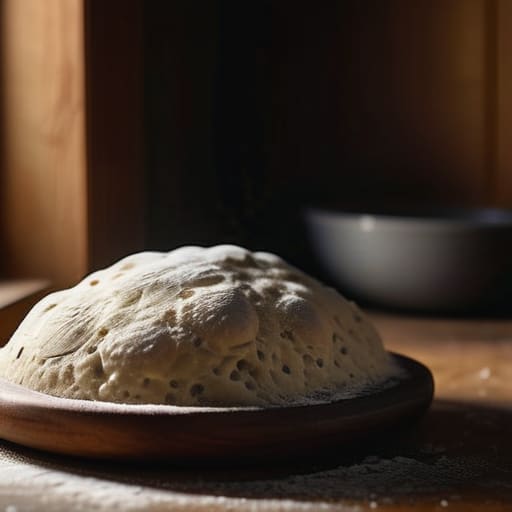
Now, don’t go thinking that once you’ve mixed your flour and water, the work is done. You aren’t just making a shape; you are managing a living, breathing colony. The yeast fermentation process explained in most books sounds like a chemistry lecture, but in a real kitchen, it’s more like tending a garden. As the yeast consumes the sugars in the flour, it breathes out carbon dioxide, creating those tiny bubbles that give a loaf its soul. You’ll see the dough swell, but don’t just look at the clock. You need to watch how it moves. A healthy fermentation should feel alive and aerated, not tight and stubborn.
If your kitchen is drafty, that process will crawl; if it’s too hot, the yeast will burn through its food too fast and leave you with a flat, sour mess. This is where your hands come in. You should be able to press a finger into the dough and feel a gentle, springy resistance. If it feels like a heavy stone, it’s sleeping; if it feels like a deflating balloon, you’ve pushed it too far. Patience is your only real tool here.
Five Things the Packet Won't Tell You
- Stop treating yeast like a chemical powder and start treating it like a living thing. If you’re using warm water to “wake it up,” make sure it feels like lukewarm bathwater on your wrist; if it’s hot enough to sting, you’ve just killed the very engine that’s supposed to lift your loaf.
- Temperature is your invisible ingredient. If your kitchen is drafty and cold, that dough isn’t going to rise on your schedule just because the clock says it’s time; you have to give it more time, or move it to a warmer corner, because yeast doesn’t care about your dinner plans.
- Watch the bubbles, not the timer. A recipe might say “let rise for one hour,” but that’s a suggestion, not a law. I want you to look for that slight aeration and feel the dough double in volume; if it still feels dense and tight, it’s not ready, no matter what the book says.
- Salt is the brake pedal for your fermentation. When you’re mixing, don’t let your salt sit directly on top of a pile of yeast before you start incorporating the flour, or you’ll stun the life out of it. Salt controls the yeast, and in a bakery, we like to be the ones in control.
- Learn the smell of a healthy ferment. A good dough should smell sweet, slightly nutty, and alive. If it smells sour like vinegar or, heaven forbid, like nothing at all, something went wrong with your temperature or your yeast was dead on arrival—don’t try to force it, just start again.
The Baker’s Essentials
Stop chasing the clock and start watching the dough; yeast responds to the temperature of your kitchen and the warmth of your hands, not the timer on your oven.
Choose your yeast wisely—instant is fine for a quick loaf, but if you’re working with active dry, remember it needs that little bit of waking up in warm water before you trust it.
If your bread doesn’t rise, don’t blame the packet; check your water temperature and give the fermentation the time it actually needs to breathe.
Trust Your Hands, Not Just the Packet
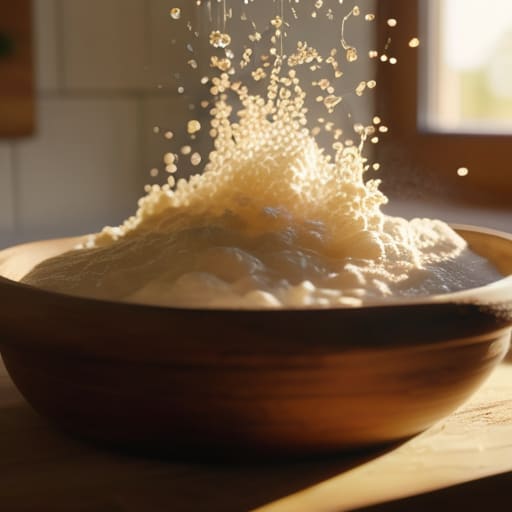
At the end of the day, whether you are reaching for the convenience of instant yeast or taking the extra minute to bloom your active dry, you are simply managing a living thing. We have covered how to choose your catalyst, how to respect the fermentation timeline, and why temperature is the invisible hand guiding your dough. Remember that a recipe is just a map, but the yeast is the engine. If your dough feels sluggish, don’t blame the packet; check the temperature of your water or the draft coming through your kitchen window. Success isn’t found in a perfect measurement alone, but in the rhythm of observation—knowing when the dough has breathed enough and when it is ready to meet the heat.
I spent thirty-four years watching flour and water transform into something miraculous, and I can tell you that the most important skill you will ever learn isn’t reading a label, it’s learning to listen to the dough. There will be days when the yeast is stubborn and the rise is pathetic, and there will be days when the crumb is so airy it feels like a gift. Don’t let the failures sour your spirit. Every flat loaf is just a lesson in patience, a quiet reminder that you cannot rush what nature takes its time to build. So, get your hands floury, watch the clock, and trust the process.
Frequently Asked Questions
My yeast seems dead even though it's brand new; did I kill it with my water temperature or is the packet just old?
It’s usually not the packet, though I’ve seen plenty of old stock that’s lost its spark. More likely, you’ve been too aggressive with your water. If you’re testing the temperature with your finger and it feels “nice and warm,” it’s probably already scalding the yeast. You want it feeling like lukewarm bathwater—barely there. If you hit 120°F (49°C), you haven’t just woken the yeast; you’ve cooked it.
Why does my dough rise beautifully in the summer but sit like a heavy stone in my kitchen during the winter?
It isn’t your yeast’s fault, and it certainly isn’t the recipe. It’s your kitchen’s temperature. Yeast is a living thing; it needs warmth to wake up and thrive. In the summer, your countertop is a heated bed, but in winter, that same stone surface is a refrigerator. If your dough feels sluggish and heavy, stop staring at the clock. Use warmer water and give it more time to find its rhythm.
Can I actually use a sourdough starter to replace commercial yeast, or am I looking at a completely different beast?
You’re looking at a different beast entirely, darling. Commercial yeast is a sprint—it’s a single, loud engine designed to get you from A to B as fast as possible. A sourdough starter is a marathon; it’s a complex, living ecosystem of wild yeast and bacteria. You can’t just swap them one-for-one in a recipe. If you try to use starter like instant yeast, you’ll end up with a heavy, sour brick because you didn’t account for the time.