You don’t need a laboratory-grade stabilizer or a fancy machine that costs more than my first delivery van to get a decent scoop. Most people think that understanding how ice cream texture works is some kind of high-science mystery involving complex additives and chemical emulsifiers, but they’re just overcomplicating what is essentially a battle of physics. I’ve seen too many home cooks end up with a pint of frozen gravel because they followed a glossy recipe without realizing their freezer was fighting them every step of the way. Texture isn’t a magic trick; it is simply the delicate dance between fat, sugar, and how fast you freeze it.
I’m not here to give you a list of expensive powders to buy or a lecture on molecular gastronomy. Instead, I’m going to tell you what is actually happening inside that churn. We are going to talk about why your mix feels grainy instead of silky and how to manage your temperatures so you aren’t fighting your own kitchen. I will give you the real mechanics of the process—the kind of knowledge you only get from years of seeing things go wrong—so you can stop guessing and start eating.
The Truth About Freezing Point Depression in Desserts
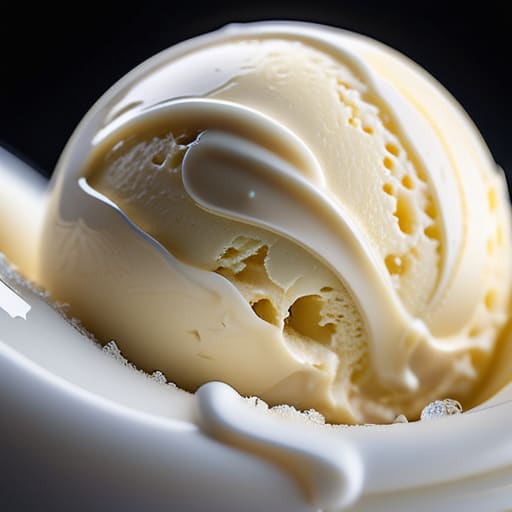
Most people think freezing is just about making things cold, but in a dessert, it’s actually a bit of a chemical tug-of-war. When you put a mixture into a freezer, the water wants to turn into solid, jagged ice crystals. If that happens unchecked, you aren’t eating ice cream; you’re eating a flavored snow cone. This is where the freezing point depression in desserts comes into play. By adding sugar and fats, we are essentially making it harder for the water to lock into a solid state. The sugar doesn’t just sweeten the pot; it lowers the temperature at which the liquid turns to ice, ensuring there is always a bit of liquid “syrup” left between those tiny crystals.
It is a delicate balance of chemistry and physics. If you don’t have enough sugar or if your dairy isn’t quite right, those crystals grow too large, and your texture turns grainy. You want those crystals to stay microscopic so that the mouthfeel and fat globules work together to coat your tongue like silk. It isn’t magic, and it isn’t a mistake in the recipe—it’s just the science of keeping things from freezing too hard, too fast.
Stabilizers for Smooth Texture and the Patient Chill
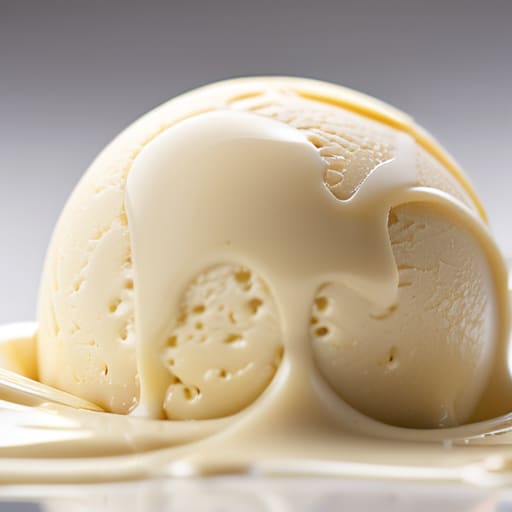
Now, if you think you can just toss cream and sugar into a bowl and expect silk, you’re in for a rude awakening. Without a bit of help, those tiny ice crystals will grow and grow until your dessert feels more like eating a snowdrift than a luxury. This is where stabilizers for smooth texture come into play. I’m not talking about some laboratory chemical that tastes like nothing; I’m talking about things like guar gum or even just the natural pectin in fruit, which act like tiny nets. They catch the water and hold it still, preventing those crystals from joining forces and turning your batch into a gritty mess.
It’s a bit like managing a sourdough starter; you’re trying to control the environment so the structure holds. These stabilizers work alongside emulsifiers in dairy products to bridge the gap between the fat and the water, ensuring that the mouthfeel and fat globules stay perfectly suspended. If you rush the freezing process, even the best stabilizers can’t save you. You have to give the mixture the time to settle and stabilize before the cold takes hold. It’s not about magic; it’s about managing the physics of the bowl.
Five Ways to Stop Fighting Your Freezer
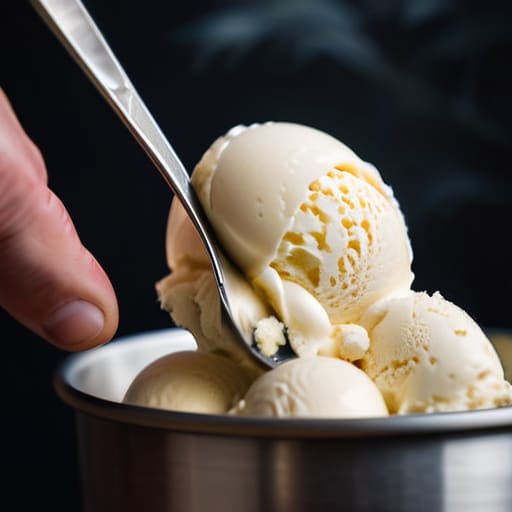
- Watch your fat content, not just the cream label. If you’re aiming for a 14% butterfat base and you use a skim milk shortcut, you aren’t making ice cream; you’re making a flavored ice cube. Fat coats the tongue and prevents those jagged ice crystals from feeling like needles.
- Stop the “scoop and freeze” madness. If you pour your base into a shallow pan and shove it in the freezer immediately, you’ve already lost. You need a slow, controlled descent into cold. A gradual freeze means smaller crystals; a rushed freeze means a grainy mess.
- Salt is your silent partner in the churn. Just like in my bread, it’s about managing chemistry. Using a salt-ice bath for your canister or understanding how solutes lower the freezing point ensures the mixture stays fluid enough to incorporate air rather than just turning into a solid brick.
- Overrun isn’t a dirty word, it’s air. If your ice cream is dense and heavy like wet clay, you haven’t incorporated enough air during the churn. You want a texture that feels light on the spoon but substantial on the palate—that’s the air doing the heavy lifting.
- Temperature is a moving target. Your freezer is a battlefield, and if you keep opening the door to check on it, you’re inviting heat in. Every time the temperature fluctuates, those tiny crystals melt slightly and then refreeze into much larger, crunchier ones. Leave it alone and let it work.
The Three Pillars of a Smooth Scoop
Temperature is your master; if you try to rush the freeze with a blast of sub-zero air, you’ll end up with jagged ice crystals that scrape the throat instead of melting on the tongue.
Fat and sugar are your structural foundation, but they aren’t magic—you need the right balance to keep the mixture from feeling like a heavy grease or a watery slush.
Texture is a slow game of patience, meaning you must respect the chill and allow the stabilizers to do their quiet work before you even think about tasting the result.
The Long Game of the Perfect Scoop
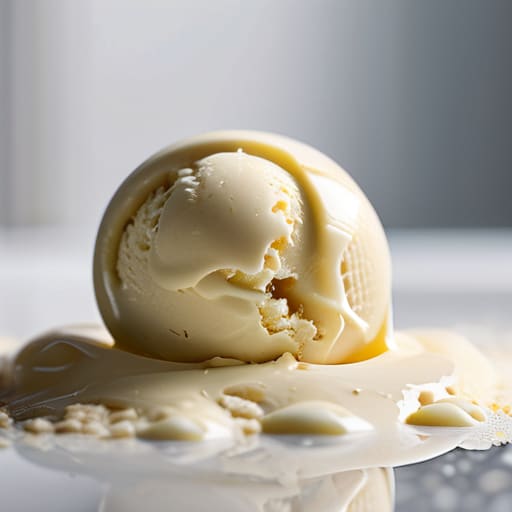
At the end of the day, making ice cream isn’t some dark art involving chemistry sets; it is simply a dance between fat, sugar, and the clock. You now know that your texture depends on how you manage your freezing point depression to keep those crystals small, and why a bit of stabilizer is often the difference between a silky mouthfeel and a grainy mess. If your batch comes out hard enough to chip a tooth, don’t go blaming the brand of cream you bought. It was likely that you rushed the freeze or failed to balance your solutes. Remember, ice cream is a living thing that responds to how you handle the temperature; if you respect the physics of the chill, the texture will follow.
I spent thirty years watching dough rise in the dark, and I can tell you that the best things in life require you to sit still and wait. Whether it is a sourdough starter or a churn of vanilla bean, you cannot force the molecules to behave by turning up the heat or moving faster. You have to learn to trust the process and accept that sometimes a batch won’t be perfect on the first try. But once you stop fighting the ingredients and start listening to what the temperature is telling you, you’ll find that the most rewarding flavors are the ones that took their sweet time.
Frequently Asked Questions
If I can't use store-bought stabilizers, can I just use more egg yolks to keep it from turning into a brick?
You certainly can, but don’t go throwing yolks in like you’re seasoning a stew. Egg yolks are nature’s stabilizers, rich in lecithin, which helps marry the fat and water so they don’t part ways in the freezer. If you’re skipping gums, aim for a higher fat percentage—around 12-14% for a custard base. Just remember: more yolks means a richer, more custardy mouthfeel, but if you overdo it, you’ll end up with a heavy, sulfurous mess.
My kitchen is always a bit drafty; how much does the actual temperature of the room mess with the way the cream sets?
A drafty kitchen is a baker’s silent enemy. If your room is cold, that cream isn’t just chilling; it’s struggling to find its rhythm. You want the fat globules to distribute evenly, but if the ambient air is pulling heat away too fast, you’ll end up with a grainy, uneven set rather than silk. It’s not about the thermometer on the wall, it’s about the temperature of the mixture itself. Keep it steady, or don’t bother.
I've tried making it with different fats, but why does my homemade version feel heavy and greasy instead of light and airy?
It’s the fat ratio, plain and simple. You’ve likely gone too heavy on the butterfat without balancing it with enough water or air. If your ice cream feels like a slick of grease on the roof of your mouth, you’ve built a block of fat rather than a frozen emulsion. You need that water to freeze into tiny crystals; without enough of it, you’re just eating chilled heavy cream.