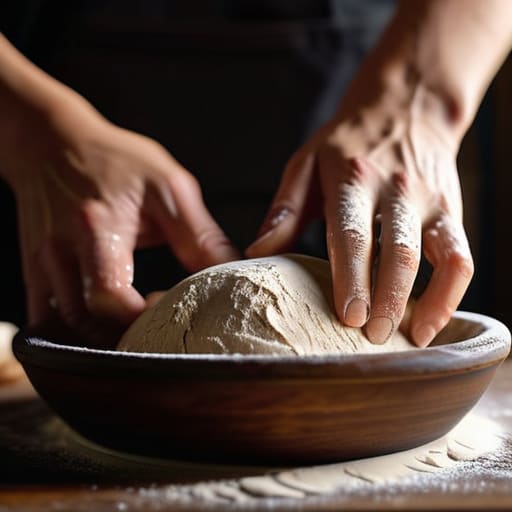
I remember standing in my shop at four in the morning, thirty years ago, staring at a bowl of slack, weeping dough that looked more like soup than bread. I had followed a recipe to the letter, yet the loaf came out of the oven looking like a sad, flat pancake. I used to think I needed a heavier mixer or a more expensive flour, but the truth was much simpler: I wasn’t talking to the dough. Most people treat a recipe like a set of instructions for a machine, but when you’re learning how stretch and fold works, you have to realize you aren’t just following steps; you are building a structure with your own two hands.
I’m not going to give you a list of fancy equipment or tell you that you need a temperature-controlled proofing box to get it right. Instead, I’m going to tell you what that dough should feel like when it finally starts to fight back against your palms. We are going to look at the why behind the movement—how those gentle pulls create the tension needed to trap air—so you can stop watching the clock and start reading the dough.
Building Dough Structure Without the Violence of Kneading
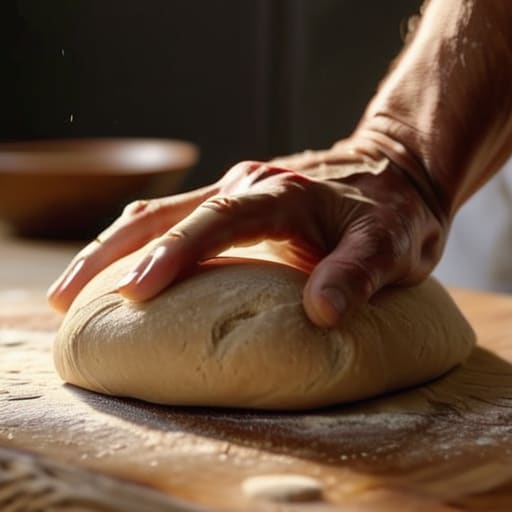
Now, if you’ve spent any time in a professional kitchen, you know that slamming dough onto a floured bench for twenty minutes isn’t the only way to get results. In fact, for most high-hydration doughs, that kind of heavy-handedness is just a recipe for a bruised, tight crumb. Instead of fighting the dough, we want to work with its natural rhythm. By using gentle pulls, we are focusing on building dough structure through tension rather than brute force. You aren’t trying to smash the flour and water together; you are simply encouraging the proteins to find one another and link up.
When you perform a series of folds, you are essentially organizing the internal architecture of the loaf. It’s a much more sophisticated way of managing gluten development in sourdough than the old-fashioned kneading method. As you lift the dough and fold it over itself, you’ll start to feel a change under your fingertips. It moves from being a sticky, disorganized puddle to something that feels cohesive and slightly springy. If you find yourself tugging too hard and the dough feels like it’s fighting you, stop and give it ten minutes. The dough needs time to relax just as much as you do.
Why Gluten Development in Sourdough Demands a Gentler Hand
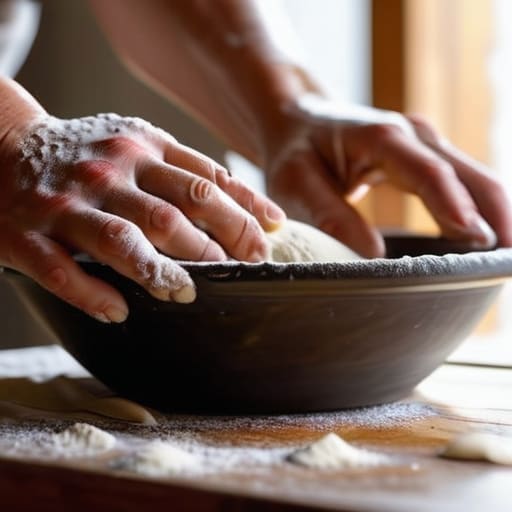
When you’re working with a sourdough starter, you aren’t just mixing ingredients; you’re managing a living, breathing ecosystem. Unlike a commercial yeast dough that wants to be bullied into submission, a sourdough culture needs time to organize itself. This is where the autolyse process benefits become so clear. By letting the flour and water sit before you even touch the salt, you’re allowing the enzymes to start their work, softening the proteins so they can align without you having to manhandle them. If you try to force it with heavy kneading, you’re essentially fighting against the very biology that makes the bread airy and light.
In a sourdough environment, building dough structure is more about guidance than force. Because the fermentation period is longer, the acids produced by the wild yeast actually help to soften the gluten network. If you’re too rough, you’ll tear those delicate bonds before they’ve had a chance to settle. You want to feel for that subtle transition where the dough stops being a shaggy, sticky mess and starts feeling like a cohesive, springy muscle. It’s a conversation between your hands and the dough, not a wrestling match.
Five Things Your Hands Will Tell You Before Your Eyes Do
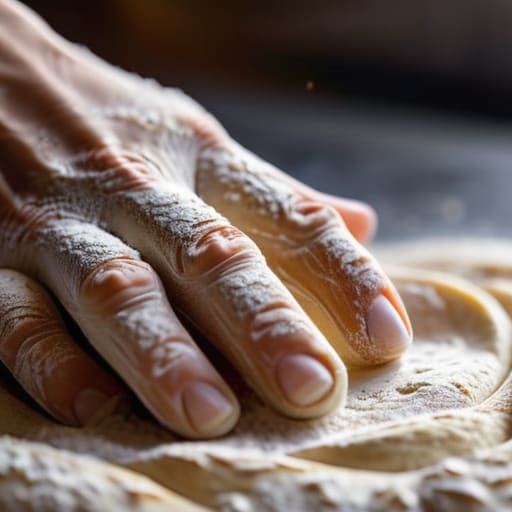
- Watch the clock, but listen to the dough. I’ve seen people follow a timer to the second only to ruin a batch because the kitchen was five degrees colder than the last time. If the dough feels slack and lifeless, give it another twenty minutes; if it’s already resisting you, stop. You aren’t fighting a deadline, you’re working with a living thing.
- Stop looking for “smooth” and start looking for “tension.” A beginner often thinks a dough is ready when it looks like a polished marble, but that’s not the point. You’re looking for that subtle, elastic springback—that feeling where the dough wants to hold its shape rather than spreading out like a puddle on the bench.
- Use wet hands, not flour. If you start dusting your workspace with flour every time you reach for the dough, you’ll end up with a dry, shaggy mess that’ll never hydrate properly. Keep a small bowl of water nearby; a damp hand glides over the surface, allowing you to feel the internal structure without tearing the delicate skin you’re trying to build.
- Don’t be afraid of the “tear.” If you’re doing your folds and you feel a slight rip, don’t panic and throw the whole thing out. A little tearing is just the dough telling you it’s being pushed too hard or too fast. Ease up on the tension, let it rest, and try again in half an hour. It’s a conversation, not a wrestling match.
- The strength is in the reach, not the squeeze. When you pull the dough up, you aren’t trying to wring it out like a wet towel. You want a long, sweeping motion that gathers the mass from the bottom and tucks it under itself. It’s about layering strength, one gentle fold at a time, until the dough feels unified.
What Your Hands Should Know by the End of the Day
Stop watching the timer and start watching the dough; you’ll know it’s ready for more folds when it stops feeling like a shaggy, slumped pile of wet flour and starts offering a bit of springy resistance against your fingertips.
Respect the hydration—if you’re working a 75% hydration dough, you cannot treat it like a stiff sandwich loaf; you have to give it time to relax between folds, or you’ll just end up tearing the very strength you’re trying to build.
Remember that folds are about organization, not just strength; you are teaching the gluten strands to align themselves in a tidy, layered structure, so be gentle, be consistent, and let the dough do the heavy lifting while you just guide it.
Trusting the Feel of the Dough
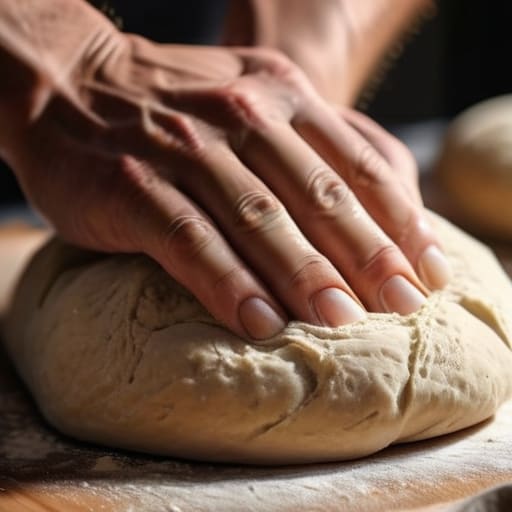
At the end of the day, stretching and folding isn’t some magic trick you find in a textbook; it is simply a way of working with the fermentation rather than fighting against it. We’ve talked about how this gentle method builds that essential gluten network without tearing the delicate gases apart, and why it is particularly vital when you are working with a slow-moving sourdough. Remember, you aren’t just looking for a specific number of folds or a strict adherence to a timer. You are looking for that moment when the dough stops feeling like a shaggy, limp pile of wet flour and starts feeling resilient and elastic under your fingertips. If the dough feels tight and stubborn, give it more time to rest; if it feels slack and uninspired, it might need another set of folds to find its backbone.
If your first few loaves come out a bit flat or a little too dense, don’t go throwing your recipe in the bin. The recipe isn’t the problem—it’s likely just that your kitchen was a few degrees too cool or your hands were a bit too impatient. Baking is a conversation between you and the living culture in your bowl, and patience is the only ingredient you can’t buy at the corner shop. Keep your hands light, keep your eyes on the dough rather than the clock, and eventually, you’ll stop reading instructions and start feeling the bread before it even hits the oven.
Frequently Asked Questions
If my dough feels particularly slack or wet, should I increase the number of folds or just wait longer between them?
If it’s feeling slack, don’t just start throwing more folds at it like you’re trying to beat it into submission. That’s how you tear the gluten you’ve worked so hard to build. If the hydration is high, give it more time to rest between sets. Let the flour fully hydrate and the enzymes do their work. If it still won’t hold its shape after a few hours, then add one more set of folds—but keep them gentle.
How can I tell if I've actually built enough strength through folding, or am I just moving the same mass of dough around?
Stop looking at the clock and start feeling the resistance. If you’re just moving a heavy, slack puddle around, you haven’t done a thing. You’ll know you’re getting there when the dough stops feeling like a wet rag and starts feeling like a living thing with its own intention. It should offer a slight, springy resistance against your palms and hold a shape rather than spreading thin. If it feels tight and bouncy, you’ve built strength.
Do I need to worry about the temperature of the water I use if I'm relying on a long, gentle folding process instead of heavy kneading?
You absolutely need to worry about it. Even with a gentle folding schedule, water temperature is your primary lever for controlling fermentation speed. If your water is too cold, those long, slow folds will feel like you’re working with dead clay because the yeast is sleeping. If it’s too hot, you’ll over-proof before you’ve even finished your third set of folds. Aim for a dough temperature of about 26% higher than your ambient room temp to keep things moving predictably.