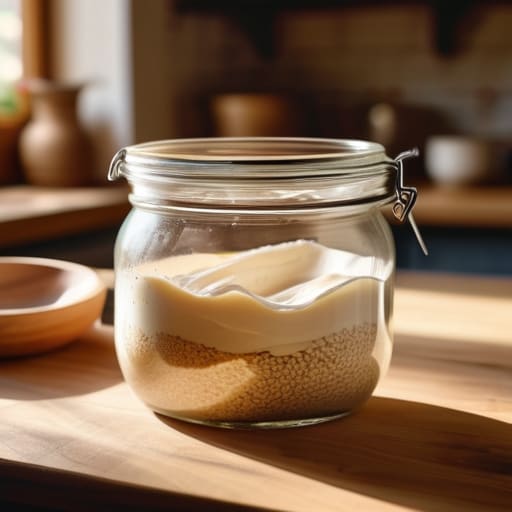
I remember standing in my shop at four in the morning, the air thick with the scent of yeast and the damp chill of a stone floor, watching a young apprentice try to “fix” a flat loaf by adding more flour and more frantic kneading. He thought he could force the bread to behave, but you can’t bully life into a dough. Most people think you need expensive specialty grains or high-tech proofing boxes to get that deep, complex tang, but they’ve missed the point entirely. The truth about how overnight fermentation improves flavour isn’t found in a grocery store aisle; it’s found in the quiet, slow magic that happens while you’re actually sleeping.
I’m not here to sell you a complicated gadget or a list of obscure ingredients you can’t find at the local market. I’m going to show you how to work with time instead of against it, using nothing more than flour, water, salt, and a little bit of patience. We’ll talk about why a cold fridge is your best friend and how to listen to your dough as it develops. By the time we’re done, you won’t be following a rigid set of instructions; you’ll be understanding the soul of your bread.
Lactic Acid Bacteria Development the Quiet Architect of Taste
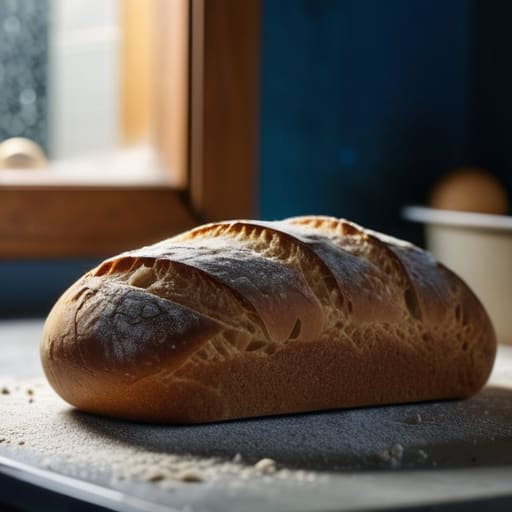
Most people think the yeast is doing all the heavy lifting, but they’re only seeing half the picture. While the yeast is busy producing gas to lift your loaf, there is a much quieter, more sophisticated process happening in the background: lactic acid bacteria development. When you move your dough into the fridge for an overnight rest, you aren’t just slowing things down; you are changing the entire chemical landscape of the dough. At those lower temperatures, the yeast settles into a gentle slumber, but the bacteria stay active, working away to create those complex, tangy notes that define a truly great bread.
This is where the real magic happens. Instead of the sharp, aggressive sourness you get from a rushed, warm fermentation, the cold environment encourages a more nuanced sourdough flavor profile enhancement. You get a sophisticated balance of lactic and acetic acids—think creamy, mellow undertones rather than a harsh vinegar bite. It’s a slow, methodical transformation where the bacteria weave flavor into the very fabric of the grain. If you try to skip this step by cranking up the heat to speed things up, you’re simply trading character for convenience.
Enzymatic Breakdown of Starches Turning Simple Flour Into Gold

Now, while those bacteria are busy building flavor, there is a quieter, more invisible sort of magic happening deep within the grain itself. I’ve always thought of enzymes as the tiny, patient workers that prepare the feast. During a long, cold rest, the enzymatic breakdown of starches begins in earnest. Instead of the yeast simply devouring every bit of sugar in a frantic rush, the enzymes slowly dismantle the complex starches into simpler, more accessible sugars. It’s a gradual release, like a slow drip of honey rather than a sudden flood.
This is the real secret behind a crust that caramelizes beautifully and a crumb that tastes like something more than just “wheat.” When you opt for slow fermentation vs rapid proofing, you aren’t just waiting; you are allowing the chemistry of the flour to transform. If you rush the process with too much heat, the yeast eats too fast and leaves nothing behind for the oven spring. But with an overnight soak, those sugars are laid out like a banquet, ensuring that when the heat finally hits the dough, you get a deep, complex color and a sweetness that lingers long after the first bite.
Five Ways to Stop Fighting Your Dough and Start Listening to It
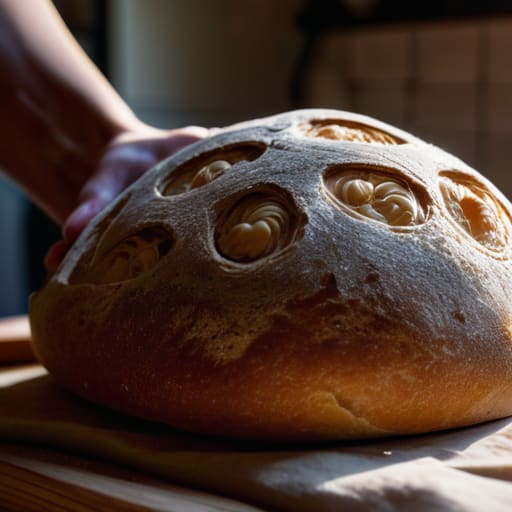
- Watch your room temperature, not your clock. If your kitchen is a drafty cellar, that overnight ferment might take twelve hours; if it’s a warm summer evening, it might be done in six. Don’t trust the timer; trust the dough’s behavior.
- Use a hydration level that lets the dough breathe. I usually aim for 75% hydration for my long ferments; if the dough is too stiff, the bacteria can’t move, and if it’s too slack, you’ll lose the structure before the flavor even has a chance to develop.
- Don’t be afraid of a little cold. If you find your dough is moving too fast and losing its character, tuck it into the fridge. A slow, cold fermentation is where the real complexity lives—it forces the yeast to take a backseat so the flavor-building acids can take the lead.
- Salt is your regulator, not just a seasoning. If you’re doing a long soak, make sure your salt is properly incorporated at the start; it keeps the fermentation from running away from you and turning your lovely loaf into a puddle of sour mush.
- Learn the “poke test” and the “windowpane.” A recipe won’t tell you when the fermentation has peaked, but your hands will. If the dough feels bubbly, aerated, and springs back slowly when you nudge it, it’s telling you it’s ready to bake.
The Baker’s Bottom Line
Stop looking at the clock and start looking at the dough; flavor is a byproduct of time and temperature, not a measurement you can force with extra yeast.
If your bread tastes flat, you likely rushed the process; give the lactic acid bacteria the hours they need to actually build that complex, tangy profile.
Remember that fermentation is a living process, so if your kitchen is cold, you must adjust your expectations and your timing, because the dough won’t move faster just because you’re hungry.
The Patience of the Proof
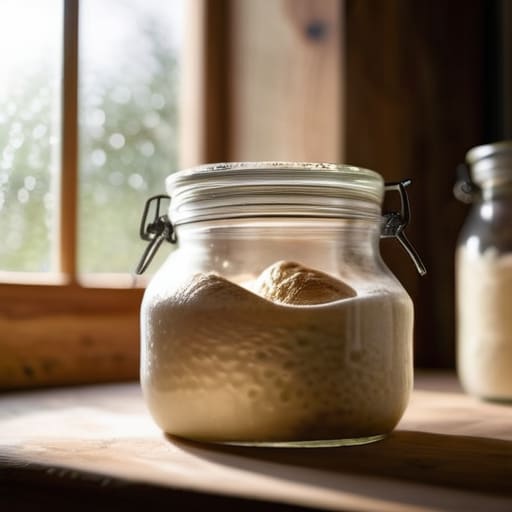
So, when you look at those two processes—the way the bacteria build that complex tang and the enzymes dismantle the starches to create sweetness—you realize that you aren’t just “storing” dough in a fridge. You are managing a living, breathing ecosystem. By slowing everything down, you are giving the lactic acid bacteria the room they need to work their magic and allowing the chemistry to transform a simple, heavy mass into something light, fragrant, and profoundly deep. It isn’t about following a clock; it’s about understanding that time is a functional ingredient that works alongside your flour and water to build a profile that a quick, warm rise simply cannot replicate.
If your first cold ferment doesn’t turn out perfectly, don’t you dare blame the recipe. Check your dough temperature, look at your hydration, and most importantly, stop trying to outsmart the biology. Baking isn’t a race to the oven, and it certainly isn’t a contest of how much effort you can pour into it with your hands. It is a lesson in letting go. Once you stop treating the dough like a task to be finished and start treating it like a process to be observed, you’ll find that the best loaves are the ones where you did the least, and let the time do the rest.
Frequently Asked Questions
If I leave my dough in the fridge too long, will it become too sour to eat?
It depends entirely on your starter, but generally, yes. If you leave it in there for three days instead of one, those lactic acid bacteria I mentioned will go from building flavor to building an assault. The dough will start to smell more like vinegar than cream, and the structure will weaken until it’s a puddle. If it smells sharp and aggressive, it’s gone too far. Don’t panic, though; just use it for focaccia.
Does the temperature of my kitchen change how much flavor I actually get from an overnight rest?
Oh, heavens, yes. Temperature is everything. If your kitchen is a drafty cellar, that overnight rest is just a long, cold nap where nothing much happens. But if it’s too warm, the yeast goes on a feeding frenzy, produces gas too fast, and you end up with a sour, over-proofed mess before dawn. I always aim for a steady, cool environment—around 18% to 20% relative warmth—to let those slow, complex acids actually develop.
Can I use this same overnight method with a commercial yeast packet, or do I absolutely need a sourdough starter for it to work?
Oh, you can certainly use commercial yeast, but don’t expect it to behave like my sourdough. A starter is a living community; a packet is just a concentrated burst of energy. If you use yeast, you must use much less than the packet suggests—maybe just a tiny pinch. If you go full strength, you’ll blow right past that deep, complex flavor and end up with a loaf that tastes like nothing but fermentation and haste.