I remember the frantic, flour-dusted chaos of my final Saturday before retirement, trying to figure out how to make a dessert for a crowd of fifty villagers when my oven decided to run ten degrees hot and my hands were too tired to whisk a single meringue. People think scaling up a recipe is just a matter of multiplying the numbers on a page, but they are wrong; it is a matter of managing heat, timing, and your own sanity. You can’t just triple a delicate sponge and expect the middle to behave the same way it does in a small tin, no matter how many fancy gadgets you buy to help you along.
I am not here to give you a list of complicated, multi-layered showstoppers that will leave you weeping in the kitchen while your guests are still eating their mains. Instead, I am going to teach you how to choose recipes that rely on steady hands and reliable temperatures rather than frantic last-minute assembly. We are going to focus on desserts that can be prepared with intention, understanding how mass affects bake times and why patience is the only way to ensure every plate looks—and tastes—just as good as the first.
Mastering the Dessert Buffet Planning With Precision
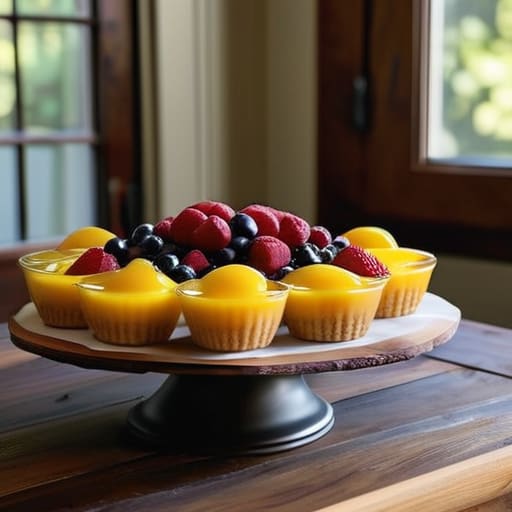
When you’re standing in a kitchen facing thirty hungry guests, the biggest mistake isn’t the flavor; it’s the chaos of the clock. I’ve seen too many people try to pull something delicate from a hot oven ten minutes before the doorbell rings, only to end up with a collapsed sponge and a panicked expression. Real dessert buffet planning isn’t about how many trays you can fit on the table; it’s about how much of that work you can finish while the house is still quiet. You want to lean heavily into make ahead dessert ideas—things like lemon curd, chocolate ganache, or even a sturdy fruit tart—that actually benefit from sitting in the larder for a day.
Once you’ve chosen your menu, you have to think about the physical reality of the service. I always tell my apprentices that portion control for large groups is the difference between a graceful evening and a messy cleanup. Don’t make one massive, sprawling cake that requires a knife and a steady hand in the middle of a crowded room; instead, think in individual units. Whether it’s a tray of financiers or small, pre-cut squares of shortbread, your goal is to ensure that the guest can take a piece without disrupting the flow of the party.
Managing Dessert Prep Timeline Through Calculated Patience
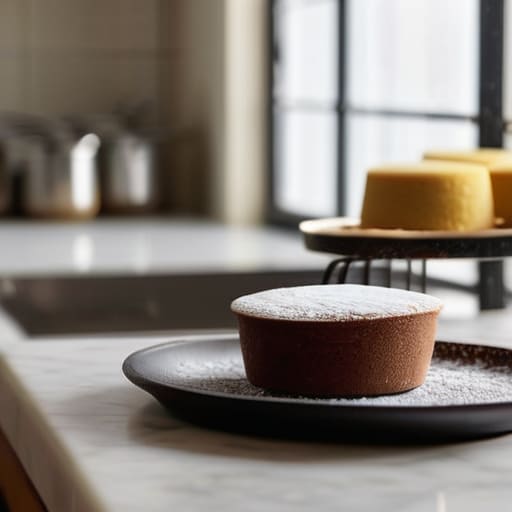
The biggest mistake I see when people try to host is treating a dessert menu like a race. They think if they work faster, they’ll finish sooner, but you can’t hurry a custard to set or a sponge to cool without ruining the texture. When you are managing dessert prep timeline for a large gathering, you have to work backward from the moment the last guest sits down. I always tell my apprentices: if the dessert needs to be room temperature, it shouldn’t be coming out of the oven ten minutes before service. You need to build in “buffer time” for the things that can’t be rushed—like the resting period for a heavy dough or the chilling time for a mousse.
The secret to staying sane isn’t more hands; it’s better make ahead dessert ideas. If you choose items that actually improve after twenty-four hours in the fridge, you’ve already won half the battle. I prefer recipes where the flavors have time to marry and the moisture redistributes itself. This isn’t just about convenience; it’s about batch cooking dessert tips that respect the chemistry of the food. Plan to do your heavy mixing and portioning the day before so that on the day of the event, your only job is the final assembly and keeping your hands steady.
Five rules for keeping your sanity when the guests arrive
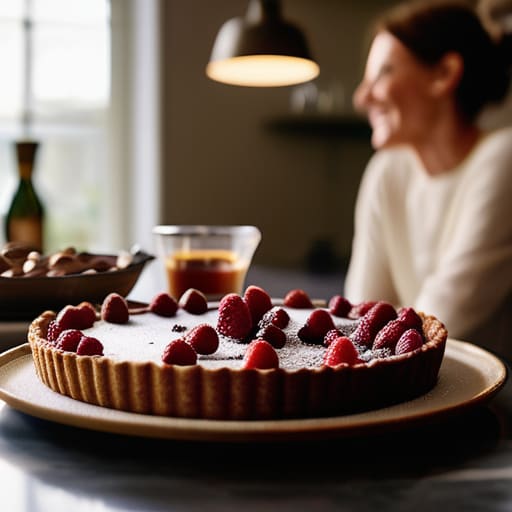
- Stop chasing variety and start chasing cohesion; if you try to make a tart, a cake, and a mousse all at once, you’ll end up with three mediocre things instead of one spectacular one. Pick a flavor profile—something bright like lemon or something deep like chocolate—and let your selections sing in the same key.
- Trust your hands over your timer, especially with large batches. When you’re scaling up a custard or a batter, the heat retention in a larger bowl changes everything. Don’t just pull it off the heat because the clock says so; feel the resistance, watch the way it coats the spoon, and wait until it tells you it’s ready.
- Avoid anything that relies on a delicate “moment.” If a dessert requires a specific temperature to stay upright or a precise crunch that vanishes the second it hits the air, don’t serve it to a crowd. You want desserts that settle into their flavors, things that actually taste better after they’ve had an hour to rest on the sideboard.
- Remember that moisture is your enemy in a buffet setting. If you’re making something with a crisp pastry or a delicate sponge, keep them covered until the very last second. A tray of beautiful tarts becomes a tray of soggy disappointment if they sit out in a humid room for too long.
- Work in batches, not in mountains. It is tempting to mix a massive tub of dough to save time, but you lose control of the temperature and the handling. I’ve seen many a baker ruin a batch by over-working it just because they were trying to be efficient; it is better to do two small, perfect mixes than one giant, exhausted one.
The Baker’s Final Rules for the Table
Trust your hands, not the clock; a dessert that’s been rushed through the oven or the chilling stage will never have the structural integrity or the flavor profile it deserves, no matter how much sugar you throw at it.
Stop chasing variety and start chasing reliability; it is far better to serve one exceptional, well-executed tart that everyone can enjoy than five mediocre treats that leave you frantic and exhausted in the kitchen.
Remember that temperature is an ingredient you cannot see; whether it is the warmth of the room affecting your pastry or the chill required for a perfect cream, keep a close eye on the environment, or the environment will dictate your results for you.
Trust the Process, Not the Clock
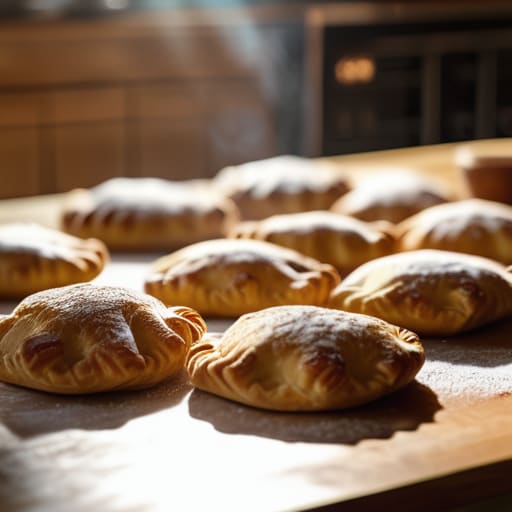
At the end of the day, feeding a crowd isn’t about having a table groaning under the weight of twenty different fancy pastries; it’s about the discipline of your plan. You’ve looked at your hydration levels, you’ve mapped out your prep timeline so you aren’t fighting a sticky dough at midnight, and you’ve understood that temperature and timing matter far more than a decorative garnish. If you’ve managed your scaling with precision and given your bakes the space to rest and settle, you’ve already done the hard part. Don’t let the chaos of a party make you second-guess your measurements. If the dough felt right under your hands and your oven was steady, the math will hold up, even when the room gets loud and the guests start circling the buffet.
I’ve seen many a beautiful spread ruined because the host was too rushed to let the flavors actually develop or the textures find their strength. Remember that a dessert is a living thing, much like my sourdough starter; it needs a bit of breathing room to be its best. If something comes out of the oven a little too dark or a sponge sits a little low, don’t panic and don’t apologize profusely. Serve it with confidence, pair it with something honest like a bit of heavy cream or a sharp fruit, and remember that patience is the only ingredient you can’t buy in a shop. Once the flour settles and the plates are cleared, you’ll realize that the best part of baking for others isn’t the perfection—it’s the quiet satisfaction of knowing you didn’t take any shortcuts.
Frequently Asked Questions
If I’m scaling up a recipe for a large group, should I just multiply everything by the same number, or will the hydration and leavening behave differently in a bigger batch?
You can multiply your flour and salt by any number you like, but don’t assume the water will follow suit. As you scale up, the sheer mass of the dough holds onto heat differently; a large tub of dough stays warm longer than a single loaf, which can make your fermentation run away from you. Watch your hydration closely—I often find I need slightly less water in massive batches because there’s less surface area for evaporation. And for heaven’s sake, don’t just multiply the yeast blindly, or you’ll end up with a sour, over-proofed mess before you’ve even finished shaping. Trust your hands, not just the math.
How do I keep a delicate pastry or a soft sponge from going stale or losing its texture if the dessert table is set out for a long afternoon?
The air is the enemy of a good sponge. If you’re setting things out for hours, stop thinking about “freshness” and start thinking about moisture. For delicate pastries, keep them under a loose cloche or a damp cloth until the very last second; you want to trap the humidity the pastry itself holds. For sponges, never slice them until they are ready to be served. A whole cake protects its crumb much better than a tray of pre-cut squares.
When I'm working with large quantities of dough or batter, how can I tell if I've over-handled it or if the temperature has climbed too high during the mixing process?
You’ll feel it before you see it. If the dough starts feeling tacky or “slimy” instead of smooth and elastic, you’ve likely over-worked the gluten or the friction from the mixer has pushed the temperature too high. If it loses that bouncy, structural resistance and starts weeping or feeling limp, stop immediately. A warm dough is a fragile dough; if it feels like it’s melting under your palms, get it into the fridge.