I spent thirty years watching pastry chefs treat fruit like it was some temperamental science experiment, weighing out stabilizers and pectin as if they were trying to cure concrete rather than cook a berry. They’ll give you a list of chemicals and a timer that ticks away while the fruit turns into a dull, grey sludge, but they never actually teach you how to make compote and coulis that tastes like the orchard it came from. If you follow a recipe that treats fruit like a math problem instead of a living thing, you’ll end up with something that looks pretty in a photograph but tastes like nothing at all.
I’m not going to give you a list of additives or tell you to trust a stopwatch. Instead, I want to teach you to watch the steam, smell the sugar caramelizing, and feel the way a berry yields when it’s finally ready to let go. We are going to focus on the heat, the reduction, and the weight of the sauce on a spoon. I’ll show you how to respect the fruit’s natural acidity so you can create something truly vibrant without needing a laboratory.
Understanding the Difference Between Compote and Coulis
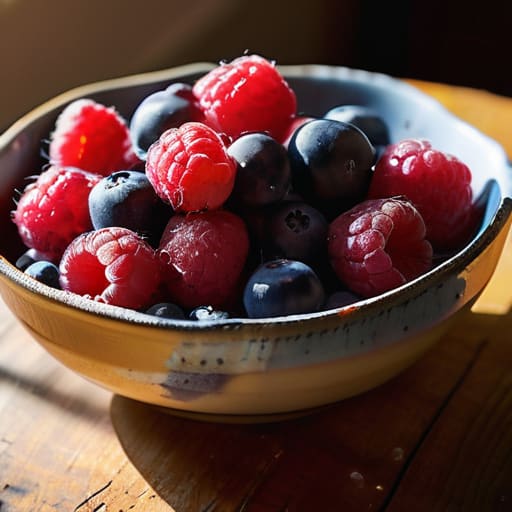
People often use these terms as if they were interchangeable, but in a professional kitchen—or even just a sensible home one—they serve entirely different masters. Think of a compote as something you eat, whereas a coulis is something you use to dress a dish. A compote is rustic and honest; it’s fruit that has been gently simmering fruit for sauces until the pieces are tender but still hold their shape, suspended in their own thickened juices. It’s chunky, textural, and meant to sit atop a bowl of cream or a warm tart.
A coulis, however, is a different creature altogether. It is a refined, elegant silk. To get there, you aren’t just cooking fruit; you are performing a transformation. You must pass the cooked fruit through a fine-mesh sieve, straining fruit puree until every single seed and fiber is banished. What remains is a smooth, vibrant liquid that flows with weight rather than splashes like water. If your compote is a sturdy walking boot, your coulis is a silk slipper. One provides the bite, the other provides the grace.
Simmering Fruit for Sauces With Intent
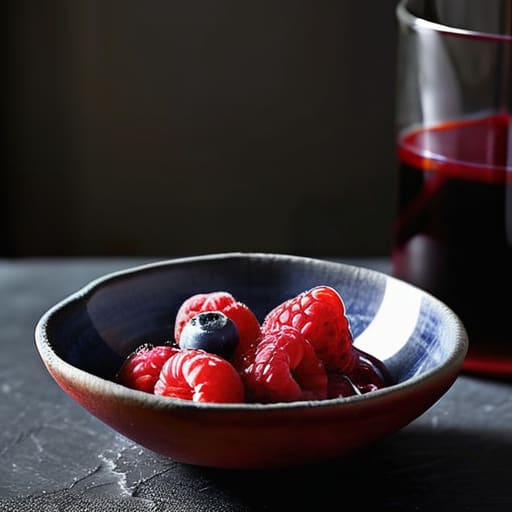
When you start simmering fruit for sauces, put that timer away. I spent three decades watching dough rise by the feel of the air, and you must treat fruit with that same sensory respect. If you’re making a compote, you want those chunks to hold their dignity; they should soften until they yield to a spoon, but they shouldn’t turn into a weeping, shapeless mush. If you’re aiming for a coulis, you’re looking for a transformation where the fruit loses its structure entirely to become something silky.
The real secret to sweetening fruit sauces isn’t just dumping in sugar; it’s about managing the evaporation. If you rush the heat, you’ll scorch the natural sugars at the bottom of the pan, leaving you with a bitter aftertaste that no amount of honey can fix. Watch the bubbles. Small, lazy bubbles mean you’re gently breaking down the pectin; a violent boil means you’re losing the delicate aromatics that make the fruit sing. Let the fruit tell you when it’s ready by the way the scent changes from raw and bright to deep and concentrated.
Five ways to stop treating fruit like a chore and start treating it like an ingredient
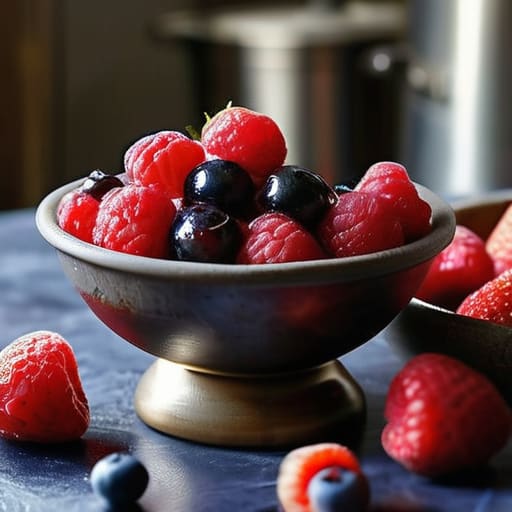
- Forget the measuring spoons for your sugar; taste the fruit first. If you’re working with strawberries that actually taste like summer, you’ll need far less sweetener than if you’re using those pale, watery ones from a plastic clamshell in mid-winter. A compote that is too sweet masks the brightness of the fruit, and a coulis that is too sugary becomes a syrup that sticks to the teeth.
- Watch the reduction, not the clock. A timer is a liar when you’re working with fruit because every batch has a different water content. You’ll know your coulis is ready when it has enough weight to coat the back of a metal spoon without running off like water, and you’ll know your compote is done when the fruit looks glossy and the juices have thickened into a syrup that clings rather than swims.
- Use a fine-mesh sieve if you want a professional finish, but don’t be afraid of a little texture in a compote. A coulis should be as smooth as silk—if there are seeds or pulp left, you haven’t finished the job—but a compote is meant to be eaten with a spoon, so let the chunks of fruit remain. If you push it through a blender too fast, you’ll just aerate it and turn your beautiful red sauce into a frothy, pink foam.
- Temperature is your best friend and your worst enemy. If you’re making a coulis to pour over a warm dessert, let it cool completely first; otherwise, the heat will melt your cream or your cake into a puddle. Conversely, if you’re serving a compote, a little warmth can help release those trapped aromas, but never boil it so hard that the fruit loses its structural integrity and turns into mush.
- Don’t be stingy with your acid. A splash of lemon juice or a tiny bit of verjuice isn’t just for flavor; it’s there to cut through the heaviness of the sugar and wake up the fruit. If your sauce feels “flat” or heavy on the tongue, it’s likely not lacking sugar, but lacking that sharp, bright note that tells the palate the fruit is actually alive.
Lessons from the Stove
Stop watching the clock and start watching the fruit; a sauce is ready when it has the weight and sheen of a proper reduction, not just because a timer went off.
Control your heat or the fruit will fight you—too high and you’re just boiling sugar, too low and you’ll never get that beautiful, concentrated flavor.
A coulis isn’t finished when it’s smooth, it’s finished when the acidity and sweetness have finally shaken hands and found a balance on your tongue.
Trust Your Senses, Not the Clock
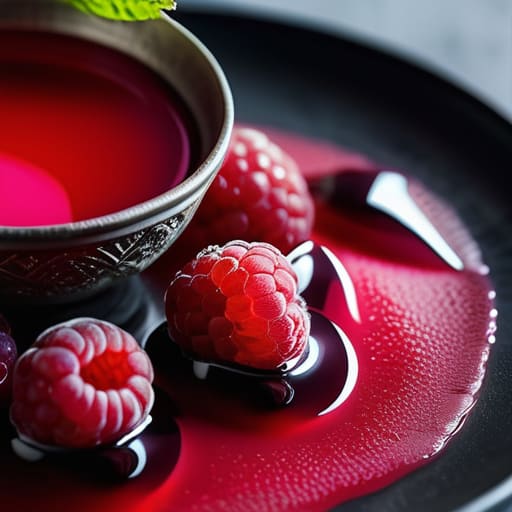
At the end of the day, whether you are aiming for the chunky, rustic charm of a compote or the silken, elegant finish of a coulis, remember that you are working with living things. A compote succeeds when the fruit retains its integrity and the syrup clings to it like a heavy velvet, while a coulis demands your patience through the sieve to ensure not a single seed or stray bit of pulp ruins the texture. Don’t get caught up in trying to hit a specific minute on a digital timer; instead, look for that moment when the fruit yields to the spoon and the reduction achieves its true weight. If it looks thin, give it more heat; if it looks dull, check your acidity. It is all about managing the moisture and the heat until the fruit tells you it is ready.
I spent decades watching dough rise and sauces thicken in the pre-dawn light, and if there is one thing I have learned, it is that the kitchen will always try to rush you. It will try to make you believe that a recipe is a set of rigid laws rather than a conversation between you and your ingredients. But fruit is fleeting, and it deserves your full attention. Don’t be afraid to let a sauce sit a little longer on the back of a spoon or to strain it one more time for perfection. Baking and sauce-making are acts of patience, and when you finally taste that perfect balance of sweetness and brightness, you will realize that the time you spent wasn’t wasted—it was invested.
Frequently Asked Questions
If my fruit is particularly tart or underripe, should I adjust the sugar percentage or just let it simmer longer to break down the structure?
If your fruit is tart or underripe, don’t just boil the life out of it trying to soften the structure; you’ll end up with gray, lifeless mush. Adjust your sugar. I always look at the balance: if the acidity is high, increase your sugar by maybe 5% to 10% of the fruit’s weight to bridge the gap. Let the heat do its work gently, but let the sugar handle the flavor profile.
How do I know when I’ve reduced a coulis enough without overcooking the brightness right out of the fruit?
Stop looking at the clock and start looking at the spoon. If you’re chasing a specific time, you’ve already lost the fruit. You want the sauce to coat the back of a cold metal spoon with a certain weight—it should feel velvety, not syrupy like a jam. If it’s running like water, it’s too thin; if it’s clinging stubbornly and smells cooked rather than fresh, you’ve boiled the soul out of it.
Is it better to strain my compote through a fine mesh sieve for a professional finish, or does that ruin the texture I'm trying to achieve?
It depends entirely on what you’re trying to feed. If you’re making a coulis to brighten a heavy chocolate sponge, strain it; you want silk, not grit. But a compote? A compote should have soul. If you push it through a sieve, you’ve just made a thinner compote. Leave the fruit intact so it catches the light and the spoon. Don’t chase a “professional” finish if it costs you the texture.