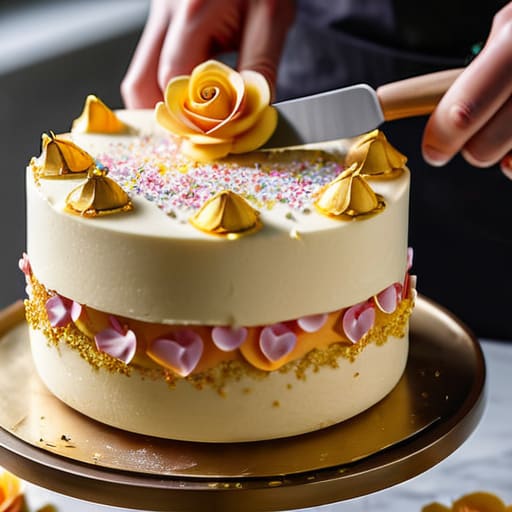
The Complete Guide to Decorating a Cake
Most people think a “complete guide to cake decorating” should be a catalog of pretty colors and expensive piping tips, but they’re looking at it all wrong. I spent thirty-four years watching people buy the most expensive palette knives and stabilizers only to end up with a slumped, weeping mess on a dessert plate. The truth is, you can own every gadget in the shop, but if your crumb is unstable or your buttercream is fighting the room temperature, all that artistry is just window dressing on a disaster. I learned that the hard way during a frantic Sunday rush when a wedding tier decided to slide right off the board because I was too busy worrying about the lace pattern and not enough about the structural integrity of the sponge. In this guide, I’m not going to show you how to make a cake look like a filtered photograph;…
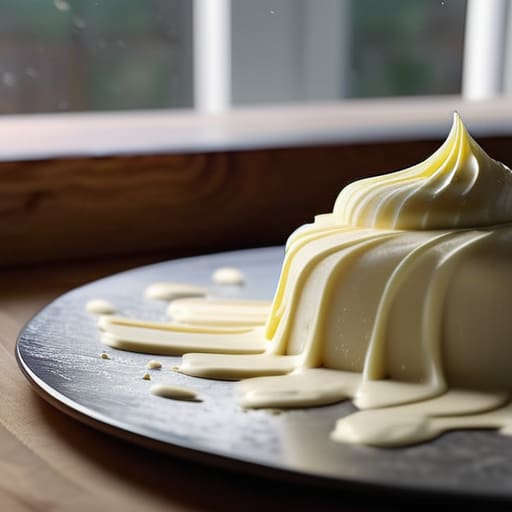
The Complete Guide to Buttercream
I’ve spent thirty-four years watching people throw money at “specialty” ingredients and expensive gadgets, convinced that a professional-grade buttercream requires a chemistry degree or a high-end stand mixer. They see these glossy, perfect videos online and think they’re missing a secret component, but they aren’t. Most people fail because they treat frosting like a set-and-forget recipe rather than a living thing that reacts to the air in your kitchen. If you’re looking for a complete guide to buttercream that promises magic with a single click, you’ve come to the wrong place; I’m here to tell you that it’s really just a matter of mastering the relationship between fat, sugar, and the temperature of your room. I am not going to give you a list of fancy flavorings and call it a day. Instead, I’m going to teach you how to feel when the emulsion is right and how to fix…
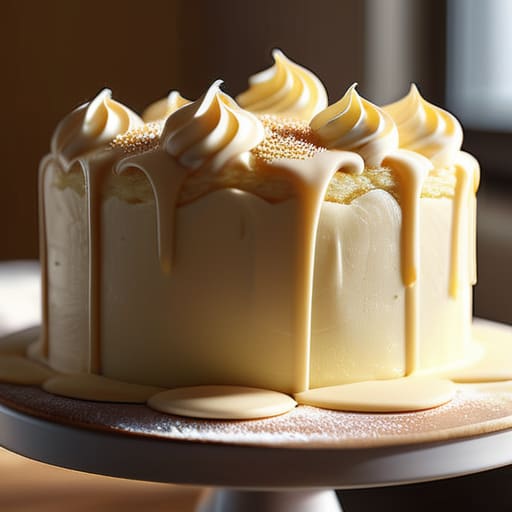
The Complete Guide to Frostings
I spent thirty-four years watching people treat frosting like it was some kind of magic trick you could buy in a colorful tub or achieve by following a list of ten impossible-to-find ingredients. They see a picture of a perfectly smooth, piped rose on a blog and think they’ve failed because their buttercream looks like curdled milk, but they’re looking at the wrong thing. Most of these “expert” tutorials are missing the point entirely; they give you the measurements but they never tell you about the ambient temperature of your kitchen or the way your hands feel when the fat is too warm. If you’re looking for a complete guide to frostings that promises perfection in five minutes with a handheld mixer and a prayer, you’ve come to the wrong place. What I am going to give you instead is the truth about sugar, fat, and temperament. I won’t waste…
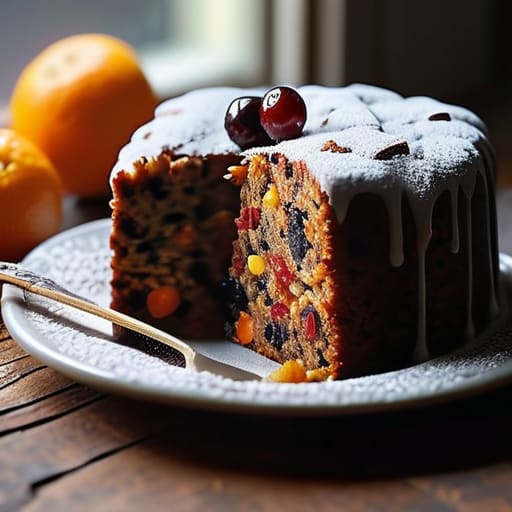
The Complete Guide to Fruit Cake
I remember standing in my shop at four in the morning, the air thick with the scent of molasses and warming spices, watching a young apprentice try to “fix” a heavy batter by adding more flour because it looked too wet. He thought he was following a recipe, but he was actually fighting the chemistry of the fruit. Most people approach a fruit cake like it’s a chore or a heavy brick of sugar, searching for some magic “complete guide to fruit cakes” that promises perfection in an hour. But let me tell you, if you’re looking for a way to bake a dense, dry slab of regret, you’ve come to the wrong place. A proper fruit cake isn’t just a dessert; it is a slow marriage of spirits, fats, and patience. I’m not here to give you a list of expensive, unnecessary gadgets or tell you that your cake…
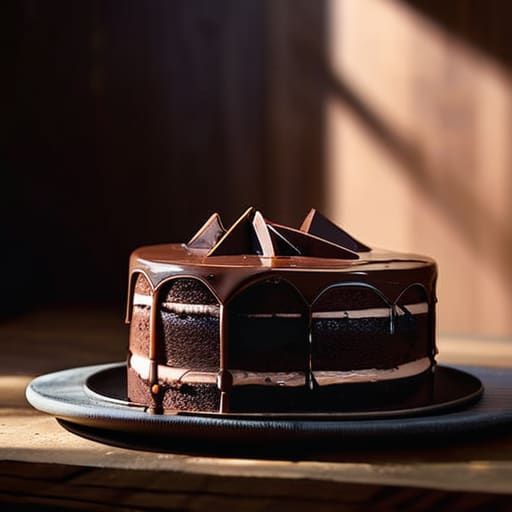
The Complete Guide to Chocolate Cake
I spent thirty-four years watching people walk into my bakery, clutching glossy cookbooks and asking why their sponge looked more like a brick than a cloud. They’d buy the most expensive single-origin cacao on the market, only to end up with a dry, bitter mess because they followed a “complete guide to chocolate cakes” that focused entirely on the brand of chocolate rather than the science of the crumb. Most of these guides are just collections of pretty pictures that ignore the fundamental truth: a cake fails because your butter was too cold, your oven has a blind spot, or you treated your mixing bowl like a race track. I’m not here to sell you a dream or a fancy new gadget; I’m here to give you the truth about how cocoa behaves when it meets heat and moisture. This isn’t just another list of ingredients, but a no-nonsense roadmap…
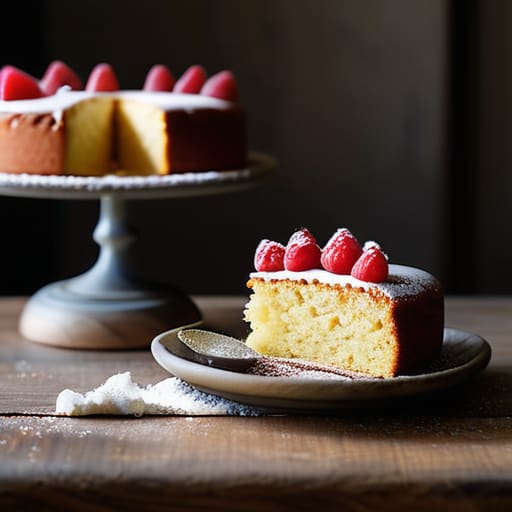
The Complete Guide to Sponge Cakes
I’ve spent forty years watching people walk into my shop, eyes wide at a glossy magazine photo of a towering, airy sponge, only to go home and produce something that looks more like a heavy, yellow brick. They follow every “complete guide to sponge cakes” they find online, obsessing over expensive extracts or specialized silicone molds, yet they still end up with a crumb that’s dense enough to hold up a building. The truth is, your sponge isn’t failing because you lack fancy equipment; it’s failing because you aren’t paying attention to the temperature of your eggs or the way you’re treating the air you just spent ten minutes whisking into the batter. I’m not here to sell you a dream or a list of boutique ingredients you’ll only use once. Instead, I’m going to give you the honest, unvarnished mechanics of how a sponge actually lives and breathes. We’re…

The Complete Guide to Cakes
If you’ve spent your afternoon staring at a glossy cookbook, wondering why your sponge looks more like a heavy brick than a cloud, then stop looking at the pictures. Most of these “expert” tutorials are nothing more than a collection of expensive gadgets and colorful food dyes designed to distract you from the actual science of the bake. I’ve spent thirty-four years watching people ruin perfectly good butter because they followed a “complete guide to cakes” that prioritized aesthetic perfection over the fundamental reality of heat and hydration. They tell you to buy a specific brand of vanilla or a designer mixer, but they never tell you that a kitchen that’s too drafty will kill your rise before the oven even preheats. I’m not here to sell you a fancy spatula or promise you a masterpiece in five minutes. What I am going to give you is the truth about…
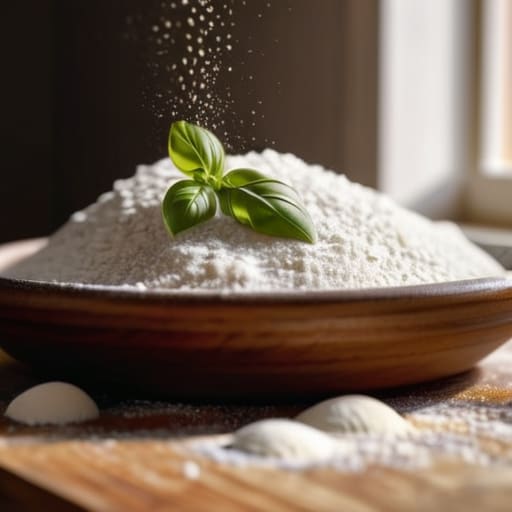
The Complete Guide to Pizza Dough
If you’ve spent any time scrolling through those glossy recipe sites, you’ve likely been told that a “complete guide to pizza dough” requires a specialized stone imported from Italy, a high-tech mixer, or a sourdough starter that you have to nurse like a sickly newborn. It’s nonsense. I spent thirty-four years waking up at four in the morning to the smell of yeast and woodsmoke, and I can tell you that the most expensive gadget in your kitchen won’t save a dough that was handled too roughly or rushed through its rise because you were hungry. Most people fail not because they lack the right equipment, but because they are trying to follow a clock instead of listening to the flour. I’m not here to sell you a lifestyle or a fancy countertop stand; I’m here to give you the truth about hydration, temperature, and timing. This isn’t a list…
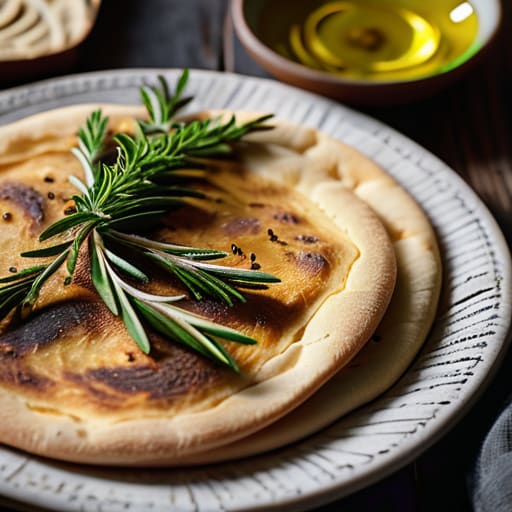
The Complete Guide to Flatbreads
I’ve spent half my life watching people walk into my shop, clutching a smartphone and asking for a “complete guide to flatbreads” that involves expensive stone ovens, fancy imported grains, and a list of equipment that costs more than my first car. It’s nonsense. You don’t need a specialized marble slab or a degree in culinary arts to make a decent piece of bread; you just need to stop treating your kitchen like a laboratory and start treating your dough like a living thing. Most of those glossy guides will tell you that if your bread is tough or won’t bubble, you bought the wrong flour, but they’re lying to you. I’m not here to sell you a gadget or a complicated ritual. I’m going to give you the truth, written in weights and percentages, because I want you to understand the rhythm of the dough rather than just following…
The Complete Guide to Enriched Doughs
I remember standing in my shop at five in the morning, thirty years ago, staring at a tray of brioche that looked more like heavy, yellow bricks than airy clouds. I had followed every fancy “expert” instruction to the letter, but my dough was stubborn, greasy, and utterly lifeless. Most people will try to sell you a complete guide to enriched doughs that focuses on expensive European butter or specialized machinery, but they forget to mention that fat is a bully; it wants to coat your flour particles and prevent them from ever seeing a drop of water. If you don’t understand how that butter interferes with gluten, all the high-end ingredients in the world won’t save you from a dense, heavy loaf. I’m not here to give you a list of luxury substitutions or pretty pictures of braided loaves. Instead, I’m going to give you the unvarnished truth about…