I remember standing in my shop at four in the morning, the air thick with the scent of yeast and the biting chill of a January dawn, watching a young apprentice try to follow a “foolproof” book. He was measuring flour by the cup, frantically whisking butter that had already turned to oil because his kitchen was too warm, and looking utterly defeated when his crusts came out like lead weights. Most people will hand you a complete guide to pastry that is nothing more than a collection of pretty photographs and expensive equipment lists, but they forget to tell you that pastry is a battle against heat.
I am not here to sell you a fancy copper bowl or a subscription to a magazine. My promise to you is much simpler: I will teach you to understand the fat, the flour, and the friction. We are going to talk in weights and percentages, because that is the only way to ensure your dough behaves the same way every single time. This isn’t about following a set of rigid rules; it is about learning to read the texture under your fingertips so you can stop guessing and start baking with confidence.
Mastering Baking Pastry Fundamentals Through Weights and Ratios
If you come into my kitchen with a set of measuring cups, I’ll tell you right now: put them back in the drawer. Cups are for people who want to guess; we are here to bake. When I talk about baking pastry fundamentals, I am talking about the relationship between your flour and your fat. I don’t care if you’re making a shortcrust or a rough puff; I want to know your hydration and your fat percentage. A standard shortcrust might sit at 60% hydration, but if your kitchen is sweltering and that butter starts to weep into the flour, you aren’t making pastry anymore—you’re making a greasy cracker.
Understanding the different types of pastry dough starts with mastering pastry temperature control. If your butter is too soft, it disappears into the flour; if it’s too hard, you’ll tear the gluten and end up with a tough, leathery crust. You need to feel the dough. It should feel cool, slightly uneven, and possess a certain structural integrity that tells you the fat is still intact. We work in ratios because once you know that a recipe is 2 parts flour to 1 part fat, you can scale it for a single tart or a hundred pies without ever losing your way.
Why Your Hands Must Be Gentle With Pastry Dough Techniques
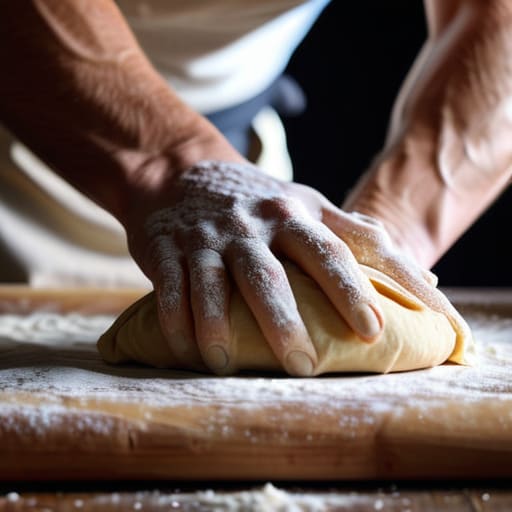
You see, the biggest mistake I see people making when they attempt different types of pastry dough is treating the flour like an enemy to be conquered. They come at it with heavy, frantic hands, trying to force the ingredients into submission. But dough isn’t a piece of wood; it’s a delicate structure of gluten and fat. If you work it too hard, you’re essentially over-developing that gluten, turning what should be a light, shattering crust into something tough and leathery. You want to fold and press, not pummel.
When you’re practicing your pastry dough techniques, you have to listen to the resistance under your fingertips. If the dough feels tight or springy like a rubber band, you’ve gone too far. You’re looking for a texture that is supple but still holds its shape. Most of my flaky pastry secrets come down to this: the more you touch it, the more heat you transfer from your skin into the fat. Once that butter melts into the flour, your layers are gone forever. Keep your movements purposeful, keep your touch light, and for heaven’s sake, stop overworking it.
Five Truths to Keep Your Pastry from Turning into a Mess
- Temperature is your invisible ingredient. If your butter is softening while you’re trying to laminate a dough, stop what you are doing and put it back in the fridge. You aren’t looking for “room temperature”; you are looking for the precise moment the fat is pliable but still holds its structural integrity. If the fat melts into the flour before it hits the oven, you aren’t making pastry anymore—you’re just making shortbread.
- Stop reaching for the measuring cups. I don’t care how many “level tablespoons” the book asks for; if you aren’t using a scale, you’re guessing. A 70% hydration dough is a different beast entirely depending on whether you used a heavy cup of flour or a light one. Weigh your flour, weigh your water, and weigh your fat. The math doesn’t lie, even when your eyes do.
- Learn to listen to the dough, not the timer. A recipe might say “rest for thirty minutes,” but if the dough still feels tight and springy like a rubber band, it isn’t ready. It needs to relax until it feels slack and yielding under your touch. Time is a suggestion; the tension in the gluten is the reality.
- Chill your equipment, not just your ingredients. I used to see people working with cold butter in a warm kitchen using a warm rolling pin, and they wondered why their crusts were heavy and greasy. If your hands are running hot, use a bench scraper or a cold marble surface. You have to fight the heat to keep those layers distinct.
- Patience is the only thing you can’t buy at the market. If you rush the chilling process by shoving a tray into a hot oven to cool it down, you’ve already lost. You need that slow, steady descent in temperature to ensure the fats stay discrete. A pastry that is rushed will always be tough, and a tough pastry is a heartbreak no one deserves.
What to Carry With You to the Bench
Put the measuring cups in the back of the cupboard; if you aren’t working in weights and percentages, you aren’t baking, you’re guessing.
Stop looking at the clock and start looking at the dough; fermentation and temperature don’t follow a schedule, they follow the environment.
Respect the fat and the heat; if your butter is melting into the flour before it hits the oven, you’ve already lost the flake you were working so hard to achieve.
The Baker’s Final Word
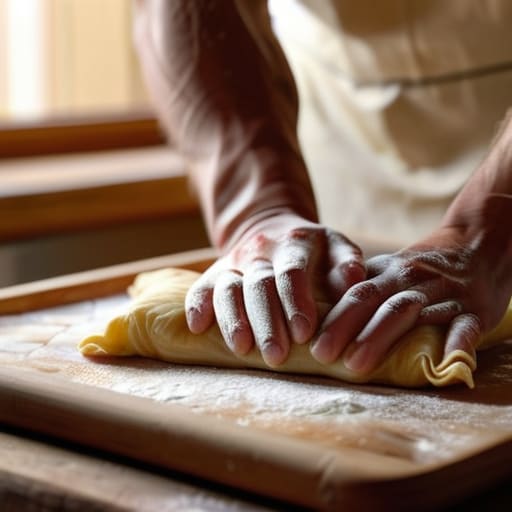
If you take nothing else from this, remember that pastry is a dialogue between you and the ingredients, not a series of commands to be obeyed blindly. We have talked about why you must ditch those unreliable measuring cups for a digital scale, why your hydration levels dictate the very soul of the crust, and why your hands must treat a delicate dough like a sleeping child rather than a piece of clay. When you master the math of the ratios and respect the temperamental nature of temperature, you stop fighting the dough and start working with it. A crumb that is too tough or a crust that lacks that shatteringly crisp snap isn’t a mystery; it is simply a sign that the environment or the handling wasn’t quite right.
Don’t let a fallen tart or a greasy puff pastry discourage you from reaching for the flour again tomorrow. I spent thirty-four years watching dough rise and fall, and I can tell you that even the most seasoned bakers have days where the kitchen seems to conspire against them. The difference between a hobbyist and a baker is simply the willingness to trust the process even when the results are messy. Put your hands in the bowl, feel for that elasticity, and remember that patience is your most vital tool. Now, go get your scale out and get to work.
Frequently Asked Questions
My kitchen feels like a refrigerator in the winter; how do I stop my butter from turning into rocks before I can even get it into the flour?
Listen, a cold kitchen is a thief; it steals your window of opportunity. If your butter is turning to stone, stop fighting it with brute force—you’ll only melt it with your panic. Take your butter out thirty minutes early, or better yet, use the warmth of your palms to gently soften the edges while keeping the core firm. If it’s truly stubborn, a quick, controlled pass with a warm knife is fine. Just don’t rush the integration.
I keep getting a tough, bread-like crust instead of something flaky—am I overworking the dough or is my flour just too strong?
It’s likely a bit of both, but I’d bet my starter on your flour first. If you’re using bread flour, you’re packing too much protein in there; you want a pastry flour with lower protein so the gluten stays shy. But if your crust feels like a baguette, you’re also probably overworking it. You’ve developed a gluten network when you should have been creating layers. Keep your hands cold, your flour light, and stop kneading like you’re making sourdough.
If I'm using a sourdough starter instead of commercial yeast for my pastry, how much do I need to adjust my hydration to keep it from becoming a sticky mess?
Listen, you’re introducing a living thing into your dough, so don’t expect it to behave like a packet of dry yeast. A sourdough starter is essentially a pre-fermented slurry—usually 100% hydration—meaning you’re adding quite a bit of extra water. To keep it from turning into a sticky mess, you must subtract the weight of the water and flour in your starter from your main recipe totals. Treat it as part of your hydration, not an extra.