If you’ve spent any time scrolling through recipe sites lately, you’ve likely seen people treating a simple biscuit like it’s some kind of high-stakes chemistry experiment requiring imported cultured butter and a laboratory-grade scale. They’ll give you a “complete guide to biscuits” that involves twenty steps and a list of ingredients you can’t find in a decent village shop, all to achieve a result that looks pretty in a photograph but tastes like nothing. Let me tell you something: a biscuit isn’t a science project, it’s temperature and restraint. I spent thirty-four years watching people overwork their dough until it had the structural integrity of a brick, all because they were too busy following a checklist to actually feel the flour under their fingertips.
I’m not here to sell you on expensive gadgets or complicated techniques that leave your kitchen looking like a disaster zone. Instead, I’m going to give you the truth about fat, flour, and the crucial importance of cold hands. We are going to talk about why your layers are vanishing and how to stop treating your dough like an enemy. This isn’t a lecture; it’s a map to getting that flaky, golden crumb every single time, provided you have the patience to let the ingredients behave.
Selecting the Right Types of Biscuit Flour
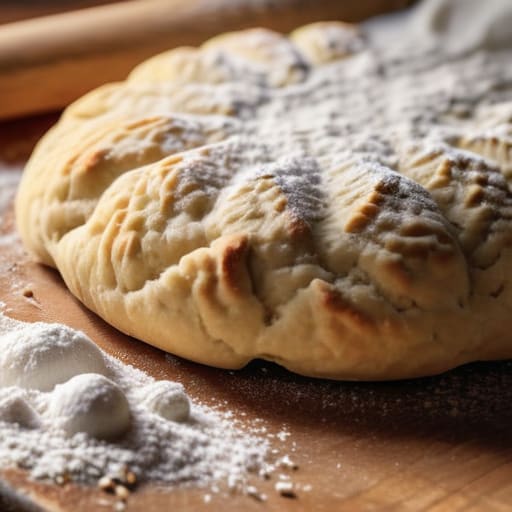
Now, if you go into a supermarket and grab the first bag of “all-purpose” flour you see, you aren’t necessarily wrong, but you aren’t being precise either. When I was running the shop, I taught my apprentices that flour is the skeleton of your biscuit; if the bones are too heavy, the whole thing collapses into a leaden puck. For those seeking the lightest lift, you want to look at the different types of biscuit flour available, specifically those with a lower protein content. High-protein bread flour is a devil for biscuits because it develops too much gluten, turning what should be a flaky crumb into something chewy and tough.
I always tell people to look for a soft wheat flour—something around 8% to 9% protein. This is the secret to achieving that delicate, melt-in-the-mouth quality. If you find your biscuit dough consistency feels more like elastic than something that breaks easily under your thumb, your flour is likely too strong. You want a flour that allows the fat to remain in distinct layers rather than being absorbed into a heavy protein web. It’s about finding that balance where the flour holds just enough structure to stand up, but not so much that it fights your teeth.
The Science of Biscuit Dough Consistency
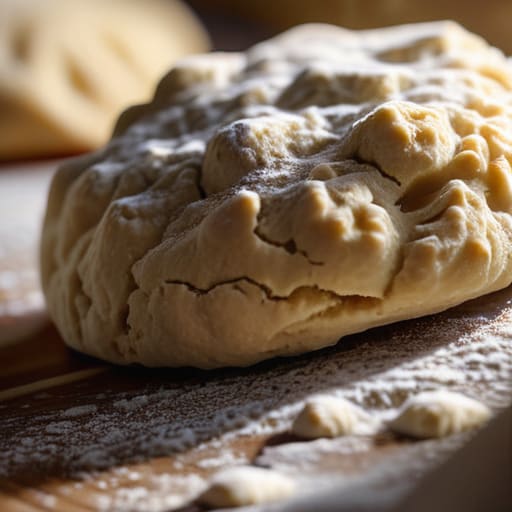
If you’re looking for a list of “don’ts” to follow, you’re in the wrong kitchen, but if you want to understand why your dough feels like wet sand one day and a stubborn lump of clay the next, listen closely. Achieving the right biscuit dough consistency isn’t about following a strict visual cue; it’s about the relationship between your fat and your hydration. In my shop, we didn’t look at a bowl to see if it was “ready”—we felt for the tension. You want a dough that is shaggy and slightly unruly, not a smooth, polished ball of gluten. If you knead it until it looks pretty like a sourdough boule, you’ve already lost. You’ll end up with something tough enough to use as a doorstop rather than something that flakes apart in your hands.
The real secret lies in temperature management. I tell everyone that chilling dough for better biscuits is non-negotiable if you want those distinct, buttery layers. When that fat stays cold, it creates steam pockets in the oven; when it melts into the flour before it even hits the heat, you’re just making a heavy, dense puck. You have to respect the fat.
Five things your recipe won't tell you about the bake
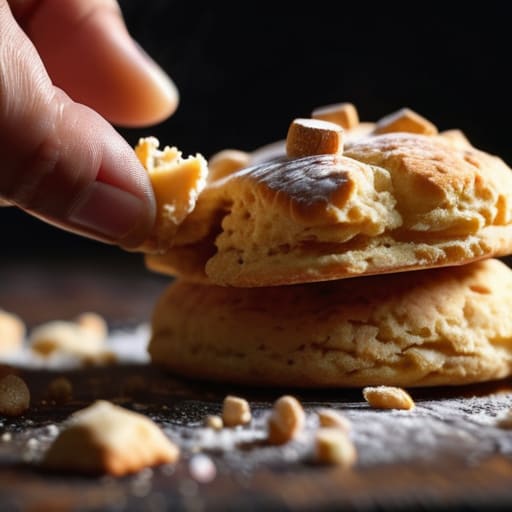
- Stop looking at the clock and start feeling the temperature; if your butter is turning into a puddle before it hits the oven, your kitchen is too warm and your biscuits will spread like a spilled drink rather than rising with intention.
- Respect the chill, because a biscuit is essentially a battle between fat and heat—keep your dough, your flour, and your hands as cold as possible to ensure those little pockets of fat stay intact to create steam.
- Throw away your measuring cups and find a scale, because a “cup” of flour can vary by twenty grams depending on how hard you packed it, and in a biscuit, twenty grams is the difference between a crumbly delight and a leaden brick.
- Don’t be afraid of a little unevenness in your shaping; if you overwork the dough trying to make every disc look like a perfect circle, you’ll develop too much gluten and end up with something tougher than a day-old crust.
- Learn to read the oven’s true heat, not just the dial, because a stone or a heavy baking tray holds much more reliable warmth than the air alone, and that initial burst of heat is what dictates the lift.
The Three Pillars of a Proper Biscuit
Stop reaching for the measuring cups and find a scale; a biscuit’s success lives in the ratio of fat to flour, and if you aren’t measuring by weight, you’re just guessing.
Temperature is your silent partner, so keep your fats cold and your hands quick, or you’ll end up with a heavy, greasy disc instead of a crisp, layered crumb.
Respect the dough’s resting time, because a rushed biscuit is a tough biscuit, and no amount of extra flour can fix the structural damage caused by working the dough too hard.
Trust Your Hands, Not the Clock
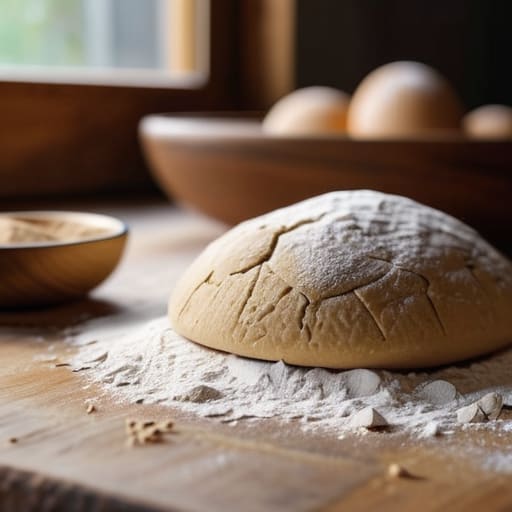
At the end of the day, making a proper biscuit comes down to understanding the relationship between your flour, your fat, and your temperature. We have talked about why you cannot rely on those fickle measuring cups and why your hydration levels dictate whether you get a snap or a crumble. Remember, if your dough feels too slack, it isn’t a failure of the recipe; it’s likely a sign that your kitchen was too warm or you were too heavy-handed during the mix. Once you master the balance of protein and moisture, you stop being a person who follows instructions and start being a person who actually bakes.
Don’t let a tray of flat, spread-out biscuits discourage you from the next batch. I have spent thirty-four years seeing dough behave in ways that no textbook could ever predict, and I can tell you that every mistake is just a lesson in disguise. If they come out too hard, you rushed the rest; if they are too soft, you let the heat win. Put the timer aside, feel the weight of the dough in your palms, and give it the time it asks for. Baking isn’t about perfection on a plate; it’s about the quiet, steady rhythm of learning how to listen to the ingredients.
Frequently Asked Questions
Why does my dough feel too sticky to handle even when I’ve used the exact weights you recommended?
If you’ve hit my percentages and it’s still sticking to your fingers like glue, stop looking at the scale and start looking at the room. Your kitchen is likely too warm, or your flour is thirstier than I calculated. Flour isn’t a constant; it breathes. If the air is humid or your hands are hot, that hydration percentage shifts. Don’t panic and dump in more flour—that’s how you end up with a brick. Just give it time to cool.
How can I tell if my butter is too warm or too cold just by looking at the texture of the mix?
If your butter is too cold, the mix will look shaggy and uneven, like you’ve just tossed pebbles into a bowl of flour; you’ll see distinct, hard lumps that refuse to marry with the meal. If it’s too warm, the dough loses its soul—it becomes greasy, heavy, and starts to look like a cohesive, shiny paste rather than a collection of flakes. You want it to look like damp sand with pea-sized bits.
If my biscuits are coming out flat and spreading like pancakes, is it the flour or my oven temperature?
It’s likely both, but I’d bet my starter on the temperature. If your oven is sluggish, the fat melts into the tray before the flour has a chance to set, and you’re left with a puddle. However, if you’ve used a high-protein bread flour instead of a soft biscuit flour, you’ve given that dough too much strength to hold its shape against the heat. Check your oven thermometer; don’t trust the dial.