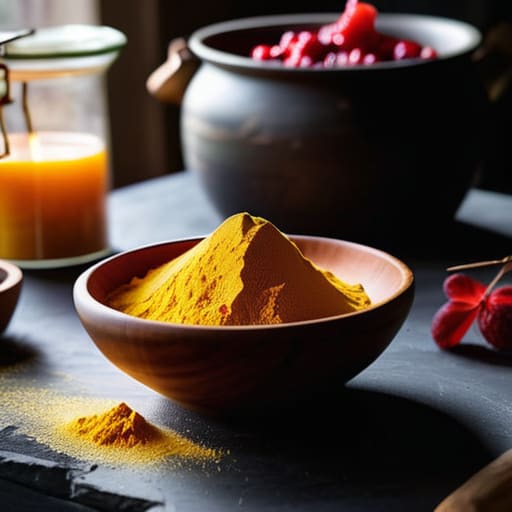
Choosing a Thickener for the Fruit You Have
I can still smell the scorched sugar from my first summer in the bakery, standing over a pot of bubbling damson plums that refused to behave. I had followed a recipe to the letter, yet when I sliced into the tart, the filling didn’t sit; it ran across the plate like a slow, purple river, ruining the crust and making a mockery of my hard work. People will tell you that you need expensive, pre-mixed pectin packets or some laboratory-grade stabilizer to fix this, but they are selling you a solution to a problem that doesn’t exist. Learning how to thicken fruit fillings isn’t about buying more ingredients; it’s about understanding the relationship between heat, acid, and the starch you already have in your pantry. I am not here to give you a list of fancy additives or a glossy photograph of a perfect pie. Instead, I’m going to show…
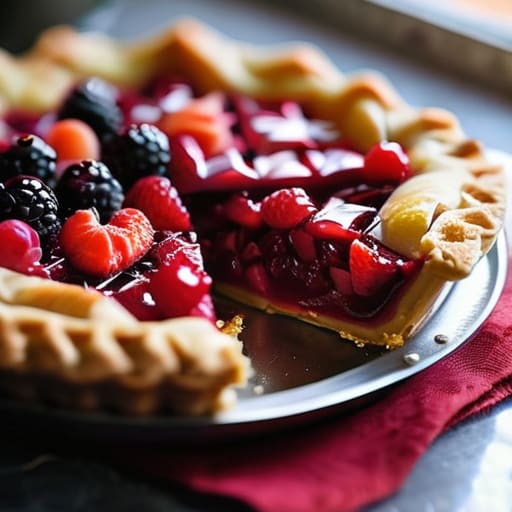
Stopping a Fruit Pie Flooding
Stop looking for the “perfect” recipe for fruit pie; you won’t find it in a glossy cookbook or a list of thirty-seven precise measurements for a single apple. Most people think learning how to make a fruit pie is about mastering a specific ratio of sugar to fruit, but they’ve got it backward. The secret isn’t in the pantry; it’s in the temperature of your fingertips and the way the fruit yields when you press it. I spent thirty-four years watching people ruin perfectly good seasonal berries because they were too busy reading a screen and not busy enough watching the steam escape the crust. I’m not here to give you a list of instructions that ignore the reality of a warm kitchen or a bruised peach. Instead, I’m going to show you how to listen to your dough and respect the fruit you’ve chosen. We are going to talk…
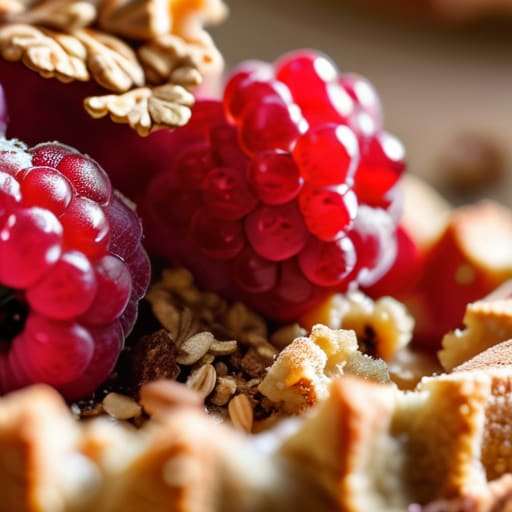
Crumble Topping That Stays Crisp
I spent thirty-four years watching people walk into my shop, looking for a shortcut to a perfect dessert, only to end up with a topping that looked more like a soggy, melted paste than a proper crumble. Most of those glossy recipe books will tell you that you need fancy almond flours or expensive extracts to get it right, but they’re lying to you. They make it sound like a chemistry experiment when, in reality, knowing how to make crumble topping is about understanding the simple, stubborn physics of fat and flour. If your topping turns into a single, heavy sheet of biscuit instead of distinct, golden nuggets, it isn’t because you used the wrong brand of butter; it’s because your hands were too warm or you were far too impatient with the mixing. I’m not here to give you a list of decorative garnishes that fall off the moment…
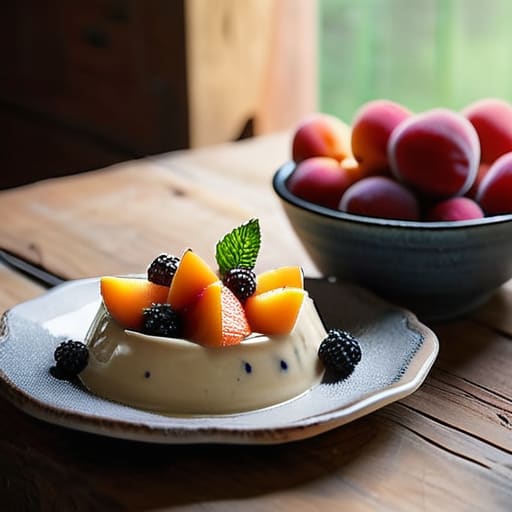
Fruit Puddings for Whatever Is in Season
People will tell you that a perfect fruit pudding requires exotic spices, expensive preserves, or a complicated set of instructions that look more like a chemistry lab manual than a kitchen guide. They are wrong. Most people struggle with how to make a simple fruit pudding because they are trying to control the ingredients rather than listening to them. I spent thirty years in a bakery where the humidity alone could ruin a batch of custard if you weren’t paying attention, and I learned that a pudding doesn’t fail because you lacked a fancy ingredient; it fails because you rushed the heat or ignored the way the fruit settles into the cream. I am not here to give you a list of measurements that change depending on which cup you grab from the cupboard. Instead, I’m going to show you the rhythm of the process—the weight of the berries against…
Sorbet Is a Sugar Calculation
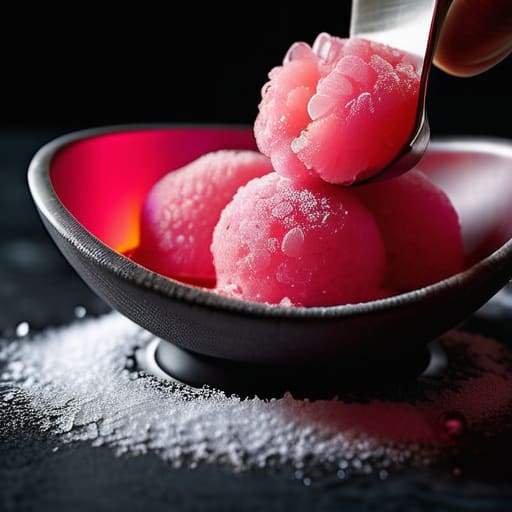
Most people think that learning how to make sorbet is about finding the perfect, exotic fruit or owning a machine that costs more than my first oven. They spend a fortune on fancy stabilizers and chemical gums, convinced that the secret to a smooth texture is hidden in a laboratory. They are wrong. The truth is much simpler and far more stubborn: sorbet is nothing more than fruit, sugar, and the discipline to wait. I spent years watching people ruin perfectly good seasonal peaches because they tried to rush the freezing process or used too much sugar to compensate for a lack of patience. I’m not here to show you a polished photograph of a frozen dessert; I’m here to tell you why your batch turned out like a block of flavored ice instead of something that melts on the tongue. I will give you the exact sugar percentages you…
Why Homemade Ice Cream Goes Hard
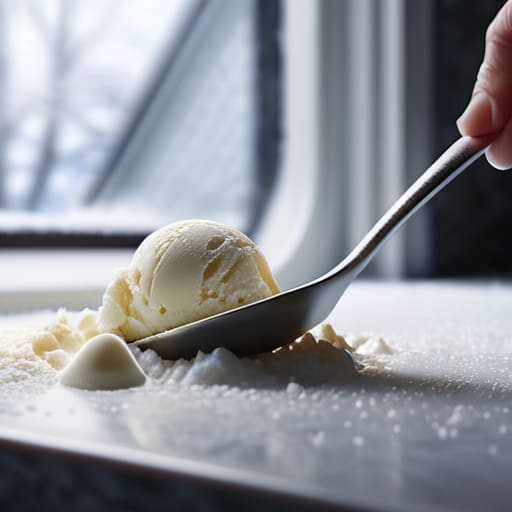
You don’t need a laboratory-grade stabilizer or a fancy machine that costs more than my first delivery van to get a decent scoop. Most people think that understanding how ice cream texture works is some kind of high-science mystery involving complex additives and chemical emulsifiers, but they’re just overcomplicating what is essentially a battle of physics. I’ve seen too many home cooks end up with a pint of frozen gravel because they followed a glossy recipe without realizing their freezer was fighting them every step of the way. Texture isn’t a magic trick; it is simply the delicate dance between fat, sugar, and how fast you freeze it. I’m not here to give you a list of expensive powders to buy or a lecture on molecular gastronomy. Instead, I’m going to tell you what is actually happening inside that churn. We are going to talk about why your mix feels…
No-churn Ice Cream That Is Not Icy
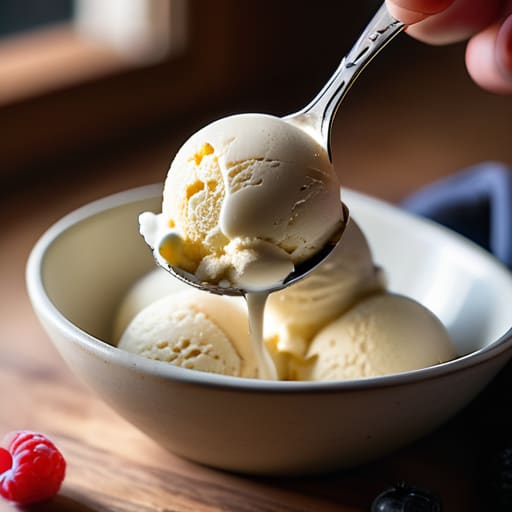
I’ve spent thirty-four years watching people throw money at gadgets they don’t need, thinking a shiny countertop appliance is the secret to a decent dessert. It’s a nonsense idea. You don’t need a motorized churn to achieve a silky texture; you just need to understand how fat and cold interact. Most of those “easy” online tutorials for how to make ice cream without a machine are just recipes for icy, grainy disappointment because they ignore the physics of the freeze. They tell you what to put in the bowl, but they never tell you why your spoon is hitting crystals instead of cream. I’m not going to give you a list of complicated contraptions or suggest you buy a specialized canister that will sit in your cupboard gathering dust. Instead, I’m going to show you how to use patience and a steady hand to master the freeze. We’ll talk about…
Every Good Pudding Has Two Textures
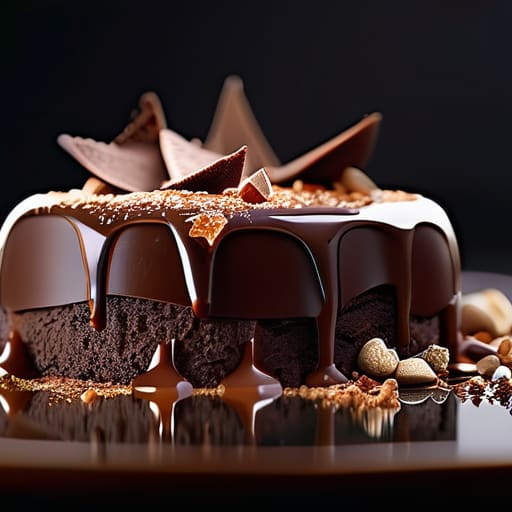
I remember standing behind my counter at four in the morning, watching a customer take a bite of a sponge cake that was, quite frankly, a tragedy. It was soft, it was sweet, and it was entirely boring. It had all the structural integrity of a wet sponge, and because there wasn’t a single shard of praline or a dusting of coarse sugar to break the monotony, they finished it in three uninspired bites. People spend hundreds of pounds on gold leaf and fancy garnishes, thinking they’re elevating a dish, but they completely miss the point of how texture contrast makes a dessert actually memorable. If everything in the mouth is the same density, your palate just shuts down and goes to sleep. I’m not here to teach you how to plate something for a photograph; I’m here to teach you how to build a bite that stays with you.…
Acid and Salt Make Sweet Things Taste Better
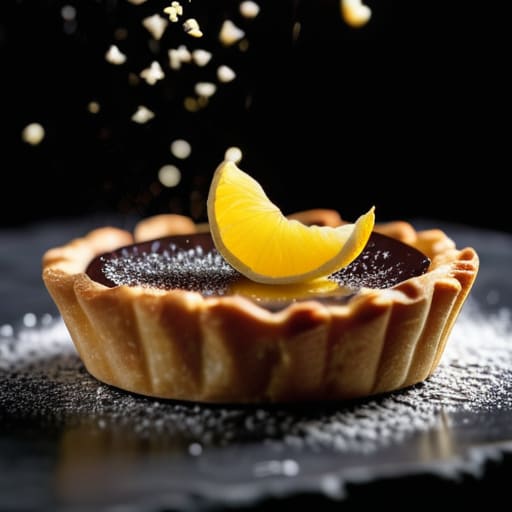
I remember a Tuesday morning back in ’94, around four in the morning, when I pulled a batch of lemon sponge from the oven only to realize I’d been too heavy-handed with the caster sugar. It wasn’t just sweet; it was aggressive, a cloying, one-note sugar bomb that masked the brightness of the citrus and left a coating on the tongue that no amount of tea could wash away. People think they can fix a heavy hand by adding more vanilla or fancy extracts, but that’s nonsense. Learning how to balance sweetness isn’t about masking a mistake with more expensive ingredients; it’s about understanding how sugar competes with salt, acid, and fat for your attention. I’m not here to give you a list of “secret” syrups or tell you to buy a specialized thermometer. I’m going to tell you how to look at your recipe through percentages and how to…
Choosing a Pudding You Can Make the Day Before
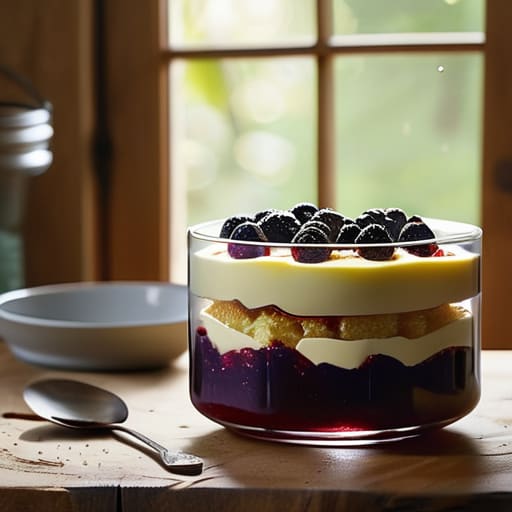
I’ve spent thirty-four years watching people lose their minds over dessert menus that look like they were plucked from a glossy magazine but taste like nothing but effort. Everyone thinks they need a towering croquembouche or a dozen different delicate pastries to impress, but that is exactly how you end up sweating over a hot stove while your friends are actually enjoying their wine. If you are staring at a Pinterest board wondering how to plan a dessert for guests without losing your sanity—or your appetite—you’re looking at it all wrong. The spectacle is a lie; the real magic is in the balance of temperature and timing. I am not going to give you a list of fancy ingredients that require a specialist to source. Instead, I’m going to tell you how to choose something that respects the ingredients, accounts for the heat in your kitchen, and actually allows you…