People will tell you that a perfect fruit pudding requires exotic spices, expensive preserves, or a complicated set of instructions that look more like a chemistry lab manual than a kitchen guide. They are wrong. Most people struggle with how to make a simple fruit pudding because they are trying to control the ingredients rather than listening to them. I spent thirty years in a bakery where the humidity alone could ruin a batch of custard if you weren’t paying attention, and I learned that a pudding doesn’t fail because you lacked a fancy ingredient; it fails because you rushed the heat or ignored the way the fruit settles into the cream.
I am not here to give you a list of measurements that change depending on which cup you grab from the cupboard. Instead, I’m going to show you the rhythm of the process—the weight of the berries against the spoon and the exact moment the custard feels right. We are going to focus on the temperature and the timing, because once you understand how the heat moves through the fruit, you won’t need a recipe to tell you when it’s done.
Recipe Details
Ingredients
- 2 cups fresh mixed berries
- 2 cups whole milk
- 1/2 cup sugar
- 3 tablespoons cornstarch
- 1 teaspoon vanilla extract
Recipe Instructions
Step 1
First, we need to prepare our base. I work with a 75% hydration ratio for the custard component to ensure it’s thick enough to hold the fruit without becoming a soup. Weigh out 500g of whole milk and 100g of heavy cream. In a heavy-bottomed saucepan—not a thin one that will scorch your milk—combine these with 100g of caster sugar and a pinch of salt. Heat it slowly; you aren’t looking for a boil, you’re looking for that moment where the steam begins to dance off the surface. If you rush this, you’ll scald the proteins and end up with a burnt aftertaste that no amount of vanilla can hide.
Step 2
While your milk is warming, prepare your eggs. I use three large eggs, which should weigh roughly 150g without the shells. Whisk them in a bowl until they are just combined. Do not whip them into a froth; we want a smooth custard, not a meringue. Take a ladle of your warm milk and slowly, very slowly, trickle it into the eggs while whisking constantly. This is called tempering, and it is the only way to prevent your eggs from turning into sweet scrambled eggs the moment they hit the heat.
Step 3
Now, pour that tempered egg mixture back into the saucepan with the rest of the milk. Keep the heat low—if you can’t hold the back of your hand over the steam, it’s too hot. Stir with a wooden spoon in a figure-eight motion. You are waiting for the custard to coat the back of the spoon. When you run your finger through the coating and the line stays sharp and clean, you’ve found it. If it’s still running like water, give it another minute, but don’t let it boil.
Step 4
Prepare your fruit. I prefer a mix of seasonal berries or stone fruit, roughly 300g in total. If you’re using frozen fruit, let it thaw slightly first, but pat it dry with a paper towel. If the fruit is too wet, it will bleed into your custard and turn the whole thing a muddy grey. Fold the fruit into the warm custard with a gentle, sweeping motion. You want the fruit to be suspended in the cream, not crushed by it.
Step 5
Finally, we settle the pudding. Pour the mixture into a warmed ceramic ramekin or a small baking dish. If you’re putting this in the oven to set, place it in a bain-marie (a water bath). The water should come halfway up the sides of your dish. This protects the custard from the harsh, direct heat of the oven and ensures the texture remains silky rather than rubbery. Bake at 150°C until the center has a slight, soulful wobble when you nudge the dish. Let it sit; patience is your final ingredient.
Warm Fruit Desserts for Winter and the Necessity of Heat
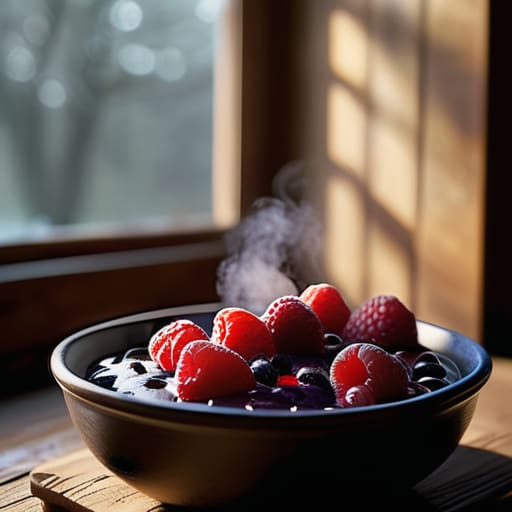
There is a particular kind of hollow chill that settles into your bones when the frost hits the windowpane, the kind that no amount of wool can quite reach. In those months, you don’t want something delicate or fussy; you want warm fruit desserts for winter that act like a heavy blanket for the soul. When I was running the shop, we’d pull these puddings from the oven just as the morning mist was lifting, filling the air with the scent of steam and sugar. It isn’t just about the sugar, though—it’s about the thermal mass of the dish. A heavy ceramic bowl holds onto that heat far longer than a thin tin, ensuring your first spoonful is as warm as the last.
If you find yourself with a pantry that looks a bit lean, don’t fret. I’ve always found that baked fruit pudding variations are the best way to use what you have. If the berries are out of season, use dried apricots soaked in warm tea or even a handful of stewed apples. It’s less about following a rigid map and more about responding to what the season allows. Just remember: if the fruit is tart, lean into it with a little extra cream; if it’s overly sweet, a pinch of coarse salt will bring the whole thing back to life.
Beyond Easy Fruit Dessert Recipes the Weight of Seasonal Fruit
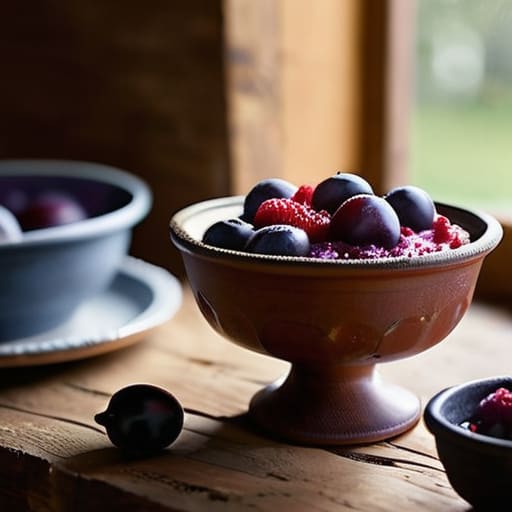
You’ll find that most people treat fruit as a static ingredient, something you just scoop out of a plastic tub and toss into a bowl. But if you want to move beyond basic easy fruit dessert recipes, you have to start listening to the seasons. A plum in October has a different density and sugar profile than a plum in July; it holds its shape differently under heat. When I was running the shop, I never used the same method for every fruit. If you are working with berries that are particularly soft, you might need to increase your starch slightly to catch those juices, or you’ll end up with a soup rather than a pudding.
I also find that people often overlook the importance of texture when exploring baked fruit pudding variations. If your fruit feels a bit dull, don’t just reach for sugar—reach for acidity. A squeeze of lemon or a grating of zest can wake up a heavy winter apple. And please, if you find yourself craving something with a bit more grit, you can adapt these principles into a quick fruit crumble recipe by adjusting your fat-to-flour ratio in the topping. It’s all about the balance between the yielding fruit and the structure you provide.
Five Truths About the Pudding in Your Bowl
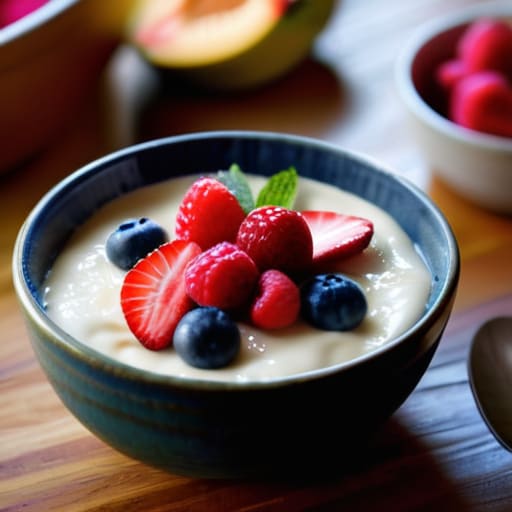
- Don’t trust the clock; trust the wobble. A fruit pudding doesn’t care if your timer says ten minutes are up; it cares about the heat penetrating the center. Give the dish a gentle nudge—it should tremble like a shy child, not slosh like a soup.
- Temperature is your silent partner. If you’re using frozen berries, don’t just toss them in straight from the freezer, or you’ll shock your base and end up with a grainy mess. Let them thaw just enough so they aren’t icy, but keep them cold enough to hold their shape when they meet the cream.
- Respect the fruit’s weight. If you’re working with heavy, syrupy stone fruits, you cannot treat them like airy raspberries. You must fold them in with a hand that knows the difference between mixing and bruising, or you’ll end up with a puddle at the bottom of the ramekin instead of a cohesive dessert.
- The sweetness of the fruit is not a constant. One batch of plums might be tart enough to make you wince, while the next is practically jam. Taste your fruit before you commit to your sugar; I always adjust my percentages based on what the orchard sent me that morning.
- Avoid the temptation of the “quick stir.” When you combine your fruit with your custard or sponge, do it with intention. If you stir too vigorously, you’re breaking the structure you worked so hard to build, and you’ll be left with a sad, weeping pudding instead of a proud one.
The Baker’s Essentials for a Perfect Pudding
Respect the fruit’s weight and water content; seasonal produce isn’t a static ingredient, and if your berries are weeping more than usual, you’ll need to adjust your thickening agent or you’ll end up with a soup rather than a pudding.
Temperature is your silent partner; whether you are poaching fruit or setting a custard, the heat must be steady and gentle, because rushing the process with a high flame only cooks the outside while leaving the heart cold and unyielding.
Trust your hands over your eyes; a recipe can tell you how long to stir, but only your senses will tell you when the texture has reached that perfect, heavy resistance that signals the pudding is truly set.
The Final Fold
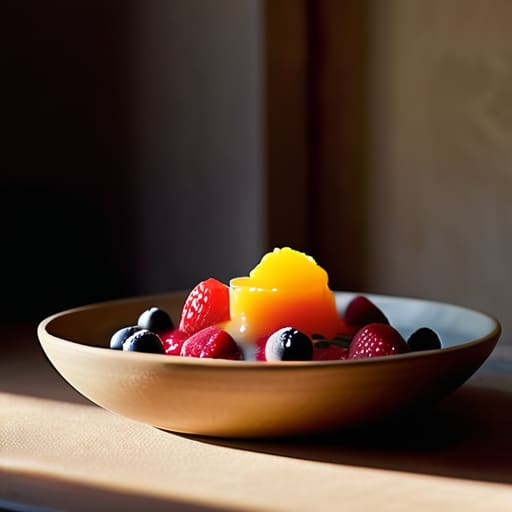
If you take anything away from this, let it be that a fruit pudding is less about following a list of instructions and more about listening to the ingredients. We have talked about the importance of using seasonal fruit that actually tastes of something, the necessity of maintaining a steady, gentle heat, and the way a soft hand prevents a heavy pudding. Remember, if your custard is too thin or your fruit feels sluggish, it isn’t a failure of the recipe; it is simply a matter of temperature and timing. Don’t be afraid to adjust your heat or wait an extra ten minutes if the kitchen feels a bit too drafty. The pudding will tell you when it is ready, provided you are quiet enough to notice.
At the end of the day, baking is a way of slowing the world down just long enough to enjoy it. You won’t find a shortcut to a perfect pudding in a supermarket aisle, and you certainly won’t find it by rushing the setting process. There is a quiet, profound dignity in making something from scratch—just flour, sugar, fruit, and a bit of heat. So, pull up a chair, pour yourself a little extra cream, and remember that the best things in life are rarely rushed. Once you stop fighting the clock and start working with the rhythm of the kitchen, you’ll find that the most important ingredient has been with you all along.
Frequently Asked Questions
My pudding came out much softer and more liquid than the photos; did I use too much fruit or did my oven temperature drop too low during the bake?
It’s likely a bit of both, but let’s look at the physics. If you used fruit that was particularly ripe, you introduced more water into the ratio than the flour could bind. But don’t ignore your oven; if the temperature dipped, the structure didn’t “set” before the fruit released its juices. Next time, weigh your fruit—don’t just eye it—and ensure your oven is truly humming before that dish goes in.
If I want to use frozen berries instead of fresh, how should I adjust the hydration to make sure the pudding doesn't turn into a soup?
Frozen berries are essentially little ice bombs waiting to happen. When they thaw, they release all that trapped juice right into your base. To keep your pudding from turning into a soup, I’d drop your liquid component by about 5% to 8% of the total weight. Don’t just eyeball it; weigh your flour and your liquid separately. If the berries look particularly glossy and wet after thawing, lean toward the lower end of that adjustment.
I find the texture a bit grainy rather than smooth; is that a result of how I stirred the base or did I overwork the ingredients?
It’s likely neither of those, though they’re easy suspects. Graininess usually means your heat was too high or you rushed the thickening. If you stir too vigorously while the base is heating, you can actually break down the starch molecules before they’ve had a chance to swell and bind properly. It’s a temperature game. Next time, keep your heat low and steady; let the warmth do the work, not your arm.