I can still smell the scorched sugar from my first summer in the bakery, standing over a pot of bubbling damson plums that refused to behave. I had followed a recipe to the letter, yet when I sliced into the tart, the filling didn’t sit; it ran across the plate like a slow, purple river, ruining the crust and making a mockery of my hard work. People will tell you that you need expensive, pre-mixed pectin packets or some laboratory-grade stabilizer to fix this, but they are selling you a solution to a problem that doesn’t exist. Learning how to thicken fruit fillings isn’t about buying more ingredients; it’s about understanding the relationship between heat, acid, and the starch you already have in your pantry.
I am not here to give you a list of fancy additives or a glossy photograph of a perfect pie. Instead, I’m going to show you how to listen to the bubble and feel the weight of the fruit as it transforms. We are going to talk about why cornstarch can sometimes leave you with a gummy mess and why flour isn’t always the enemy if you treat it with respect. By the time we’re done, you’ll know exactly how to achieve a set that is glossy and stable, without ever feeling like you’ve lost the soul of the fruit itself.
Starch vs Pectin for Fruit Choosing Your Structural Integrity
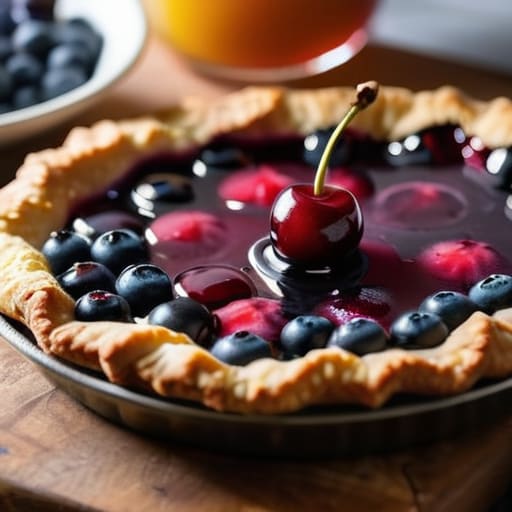
Now, you have to decide what kind of character your dessert is going to have. If you’re making a rustic galette or a quick cobbler where you want the juices to pool slightly around the crust, you’re looking at a starch-based approach. Using a slurry method for thickeners—whisking your cornstarch or flour into a bit of cold liquid before it hits the heat—is the easiest way to ensure you don’t end up with white, chalky lumps. When you’re cooking fruit with cornstarch, remember that it needs a full minute of boiling to lose that raw, grainy taste and actually do its job.
On the other hand, if you are looking for that jewel-like, translucent set you see in high-end preserves, you’re moving into the territory of starch vs pectin for fruit. Pectin is a bit more temperamental; it wants acidity and sugar to behave, and if you rush it, you’ll end up with a syrup rather than a set. I always tell my apprentices that starch is for comfort and immediate satisfaction, while pectin is for structural integrity and longevity. One holds the fruit in a soft embrace, while the other locks it into a shimmering, stable gel.
Preventing Runny Fruit Fillings Through Heat and Patience
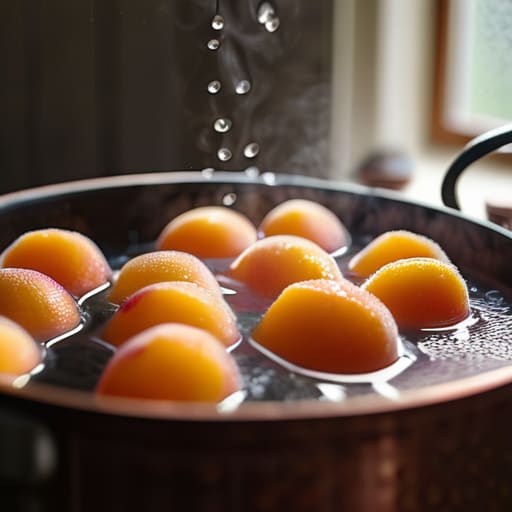
You can have the best starch in the world, but if you treat your fruit like it’s in a race, you’re going to end up with a puddle on your plate. Most people make the mistake of turning the heat up to high, thinking they can force the fruit to break down and the thickener to set all at once. That’s not how it works. If you rush it, you end up with a sauce that tastes like raw flour or a filling that hasn’t actually bonded with the juices. You need to let the fruit weep its juices slowly, then introduce your thickener.
If you’re using the slurry method for thickeners, remember that the liquid needs to reach a specific temperature to “activate” the starch. If you pull it off the heat too early because you’re hungry, the starch granules won’t have fully swelled, and they’ll collapse the moment the pie hits the oven. I’ve seen many a beautiful tart ruined because the baker didn’t wait for that gentle, bubbling simmer that signals the starch has done its job. Patience isn’t just a virtue in the bakery; it’s a structural requirement.
Five Ways to Stop Your Filling from Running Away
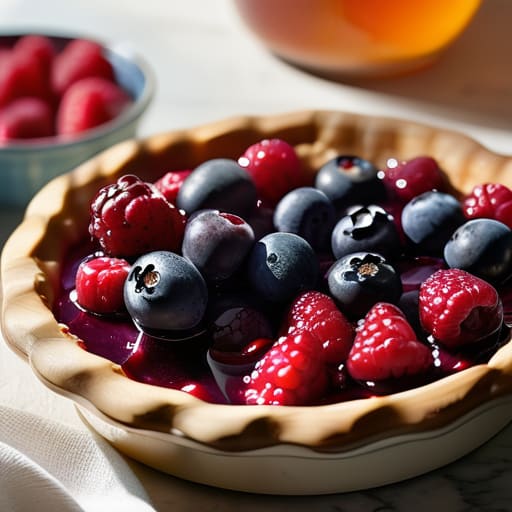
- Don’t let the fruit sit in its own juices too long before you start the thickening process. If you’re macerating berries with sugar, that liquid is going to bleed out fast; if you don’t cook it down or bind it immediately, you’ll end up with a soggy bottom that no amount of starch can save.
- Learn the difference between a slurry and a cooked paste. If you’re using cornstarch, whisk it into a bit of cold liquid first—never dump dry powder straight into a hot pot unless you want a lumpy mess that looks like wet sand.
- Watch the clock, not just the bubbles. Starch needs a full minute or two of active boiling to actually “activate” and clear up; if you pull it off the heat the second it looks thick, it’ll turn back into soup the moment it hits the crust.
- Respect the fruit’s water content. A peach is a different beast than a blueberry; if you’re working with high-moisture fruit, you need to increase your thickener by about 10% to 15% of the total weight to account for that extra hydration.
- Temper your heat. If you’re adding a thickener to a boiling fruit mixture, take the pot off the flame for a moment to stir it in slowly. If you rush it with high heat, you’ll scald the starch and lose that glossy, translucent finish that makes a pie look professional.
The Baker's Checklist for a Set Filling
Stop guessing with volume; if you want a filling that holds its shape against a fork, you must weigh your thickeners. A “tablespoon” of cornstarch varies wildly depending on how tightly it’s packed, but 10% starch by weight of the fruit juice will give you a predictable, clean set every single time.
Temperature is your silent partner or your worst enemy. If you pull a filling off the heat the moment it bubbles, you haven’t actually cooked the starch; you must see that first clear, heavy bubble to know the molecules have finally bonded, otherwise, you’re just serving warm fruit soup.
Respect the cooling period. A filling that looks liquid in the saucepan is often perfectly fine, but it needs the patience of a slow descent to room temperature to truly find its structure; rushing it into a crust while it’s still steaming is the fastest way to a soggy, weeping bottom.
The Final Fold
At the end of the day, getting a fruit filling to behave is less about following a magic formula and more about understanding the relationship between your starch, your heat, and your clock. Whether you’ve leaned on the clean, sharp set of pectin or the reliable, creamy hold of a cornstarch slurry, remember that the thickening agent is only half the battle. You have to respect the thermal journey of the fruit; if you pull that filling off the heat before the starch granules have fully swelled and burst, you’ll find yourself with a puddle on your plate rather than a beautiful slice. Watch the bubbles, trust the simmer, and never, ever rush the moment the liquid turns from cloudy to translucent.
I know it can feel frustrating when a tart looks spectacular but fails the moment the knife touches the crust, but please don’t let a runny filling convince you that you aren’t a baker. Most “failures” are simply lessons in temperature or timing that haven’t quite sunk in yet. Baking is a conversation between your hands and the ingredients, and sometimes the fruit just needs a little more patience and heat to find its rhythm. Keep your scales out, keep your eyes on the pot, and keep going. The perfect set is coming, I promise you.
Frequently Asked Questions
If I use a cornstarch slurry, how do I know I haven't added so much that the fruit loses its natural juice and turns into a gummy paste?
You’re looking for a sauce, not a glue. If you’ve overdone the slurry, your filling will look dull and feel tacky on the tongue rather than melting away. To avoid that gummy mess, stop adding starch the moment the liquid turns translucent and thickens slightly. It should still look like a glossy fruit syrup. If it starts looking like a heavy paste, you’ve crossed the line; back off next time and let the heat do the heavy lifting.
Can I use a thickener like arrowroot or tapioca if I'm working with highly acidic berries, or will the acid break down the structure before it sets?
You can certainly use them, but you have to be mindful of the timing. Acid is a thief; it likes to steal the structural integrity of your starches. If you’re working with sharp, acidic berries, I’d lean toward arrowroot. It’s a bit more resilient in that environment than cornstarch, which can go chalky if the pH is too low. Just don’t boil it into oblivion—give it enough heat to clear, then let it settle.
My filling looks thick in the pan, but it turns into a puddle once it cools on the pie crust—what did I miss during the cooling process?
You’ve fallen into the trap of thinking a thick sauce is the same as a set filling. What you’re seeing is the starch molecules relaxing and losing their grip as the temperature drops. If it’s a puddle, you either didn’t cook the slurry long enough to fully gelatinize those starches, or you rushed the cooling. Let it sit in the pan until it’s truly room temperature; patience is what turns a soup into a slice.