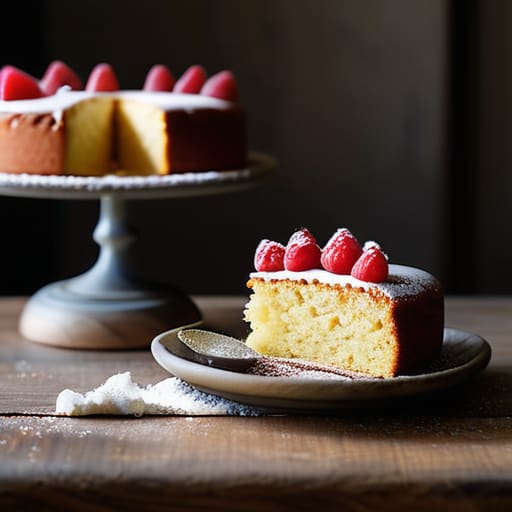
The Complete Guide to Sponge Cakes
I’ve spent forty years watching people walk into my shop, eyes wide at a glossy magazine photo of a towering, airy sponge, only to go home and produce something that looks more like a heavy, yellow brick. They follow every “complete guide to sponge cakes” they find online, obsessing over expensive extracts or specialized silicone molds, yet they still end up with a crumb that’s dense enough to hold up a building. The truth is, your sponge isn’t failing because you lack fancy equipment; it’s failing because you aren’t paying attention to the temperature of your eggs or the way you’re treating the air you just spent ten minutes whisking into the batter. I’m not here to sell you a dream or a list of boutique ingredients you’ll only use once. Instead, I’m going to give you the honest, unvarnished mechanics of how a sponge actually lives and breathes. We’re…
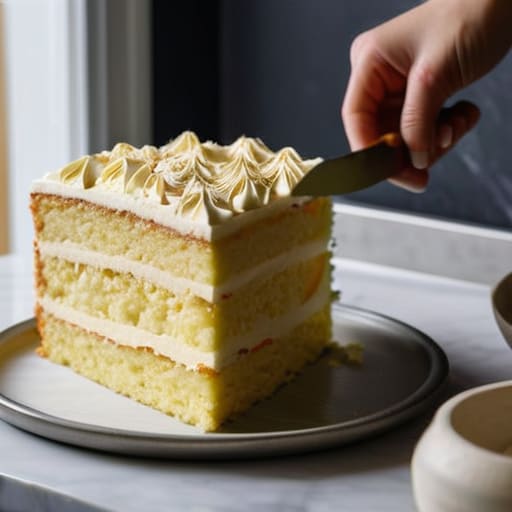
Building a Layer Cake That Stands Up
You can spend all morning obsessing over the perfect crumb or the exact percentage of sugar in your batter, but if you haven’t mastered how to level and layer a cake, you’re just building a house on a sand dune. I remember a wedding cake I pulled from the oven during my third year in the shop; the sponge was divine, but because I’d been too impatient to let the domes settle and hadn’t leveled them properly, the whole thing started a slow, heartbreaking lean toward the floor by the time the bride arrived. It wasn’t a recipe failure, it was a structural one. A cake that isn’t flat isn’t just ugly; it’s a ticking time bomb of sliding frosting and collapsing tiers. I’m not going to give you a list of expensive, fancy gadgets you don’t need to buy. Instead, I’m going to show you how to use a…
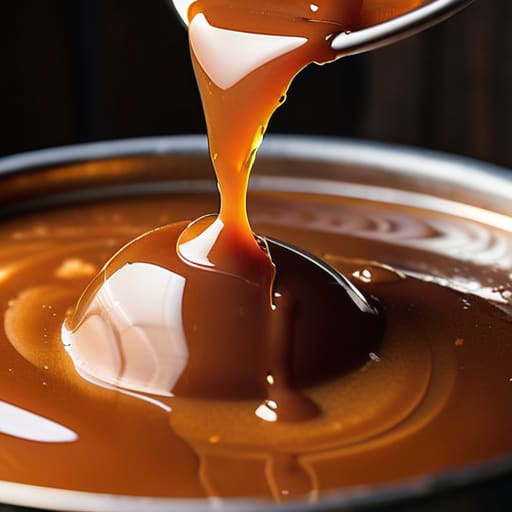
A Caramel Sauce That Pours Cold
People will tell you that the secret to a perfect caramel is a fancy thermometer or a heavy-bottomed copper pot, but they’re wrong. The real secret is simply having the nerve to watch the sugar and the sense to walk away when it starts to smoke. I spent years in my bakery watching beginners ruin batches because they were too afraid to let the heat do its work, or worse, they tried to rush the process by adding cream too quickly and ended up with a burnt, bitter mess. Learning how to make salted caramel sauce isn’t about mastering a piece of equipment; it’s about understanding the transition from pale sand to that deep, soulful amber that tells you the flavor is finally ready. I’m not going to give you a list of complicated gadgets or promises of a “miracle” ingredient. Instead, I’m going to show you how to read…
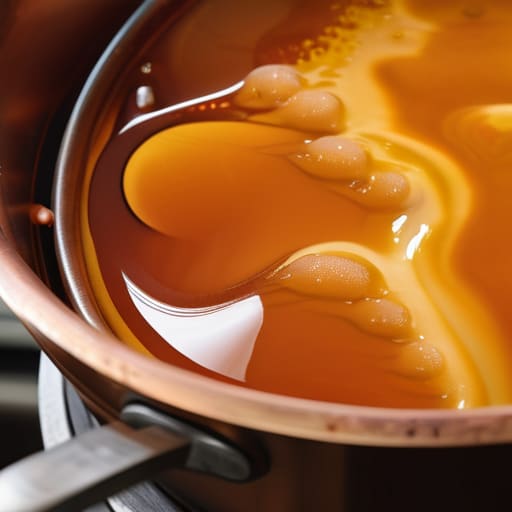
Caramel: Watch It, Do Not Stir It
I remember a Tuesday morning back in ’88, long before my shoulders decided they’d had enough of the flour dust, when a pot of sugar decided to turn on me. I was twenty-six, rushing to meet a breakfast order, and I thought I could outsmart the heat by stirring too vigorously. One moment I was watching a pale syrup, and the next, a plume of acrid smoke filled the bakery and a glob of molten amber splashed against the stovetop like liquid lava. People talk about caramel as if it’s just a sweet topping, but if you don’t understand the physics of it, you’ll find out very quickly how to make caramel safely is less about following a timer and more about respecting the volatility of the sugar itself. I’m not here to sell you some fancy, temperature-controlled gadget or a recipe that requires a degree in chemistry. I’m going…

The Complete Guide to Cakes
If you’ve spent your afternoon staring at a glossy cookbook, wondering why your sponge looks more like a heavy brick than a cloud, then stop looking at the pictures. Most of these “expert” tutorials are nothing more than a collection of expensive gadgets and colorful food dyes designed to distract you from the actual science of the bake. I’ve spent thirty-four years watching people ruin perfectly good butter because they followed a “complete guide to cakes” that prioritized aesthetic perfection over the fundamental reality of heat and hydration. They tell you to buy a specific brand of vanilla or a designer mixer, but they never tell you that a kitchen that’s too drafty will kill your rise before the oven even preheats. I’m not here to sell you a fancy spatula or promise you a masterpiece in five minutes. What I am going to give you is the truth about…
Even Layers Without Trimming
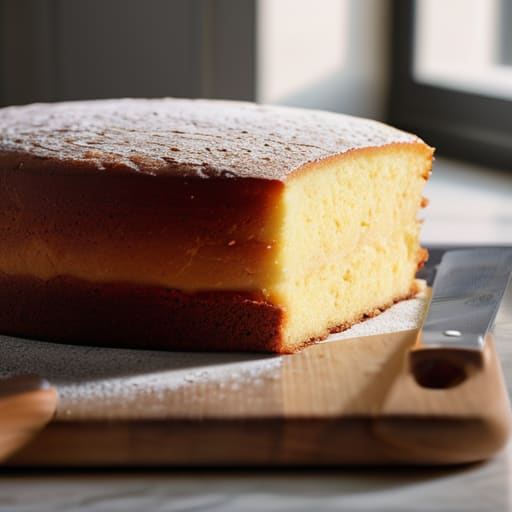
I spent thirty-four years watching people throw money at fancy, motorized mixers and “professional grade” silicone mats, thinking those gadgets would solve their problems. They’d pull a lopsided, sunken mess out of the oven and blame a faulty brand of baking powder, when the truth was much simpler: their kitchen was a drafty mess or they’d over-whipped the air right out of the batter. If you are staring at a crater in the middle of your sponge and wondering how to make a cake rise evenly, stop looking for a magic ingredient and start looking at your thermometer. Most of these “secret techniques” you see online are just expensive distractions from the actual physics of heat and aeration. I’m not here to sell you a specialized gadget or a complicated twelve-step ritual. Instead, I’m going to tell you exactly what is happening inside that tin, from the way your butter…

Testing Baking Powder Before You Waste a Batch
I remember a Tuesday morning back in ’94, around four in the morning, when I pulled a tray of what should have been airy brioche out of the oven only to find them as heavy and lifeless as river stones. I had followed the recipe to the gram, but the yeast had quietly surrendered to time in the back of the pantry. It’s a heartbreak I’ve seen a thousand times, and it usually comes down to one thing: people treat yeast and sourdough starters like they are stable chemicals rather than living, breathing organisms. If you are staring at a bowl of dough that refuses to budge, you don’t need a new recipe; you need to know how to test if raising agents are alive before you waste your expensive flour and your precious time. I’m not going to give you some complicated laboratory procedure or tell you to buy…

Preferments: More Flavour for No More Work
I spent thirty-four years watching people walk into my shop and ask for “specialty” breads that were nothing more than expensive flour and ego. They’ll buy you a fancy, multi-step guide on how to make a poolish or biga that promises a “revolutionary” crust, but they never mention that the most important tool in your kitchen is actually just patience. You don’t need a laboratory or a $500 mixer to master these pre-ferments; you just need to stop treating your dough like a math problem and start listening to what it’s actually doing in the bowl. I’m not going to waste your time with flowery prose or “optimized” schedules that only work in a temperature-controlled professional kitchen. Instead, I’m going to show you the real difference between a liquid poolish and a stiff biga, using the exact weights and hydration percentages that actually work. We’ll talk about how to read…

Powder or Soda: the Acid Decides
I remember a Tuesday morning back in ’94, standing over a tray of sunken sponge cakes that looked more like sad, beige pancakes than anything resembling a proper tea cake. My apprentice had grabbed the wrong tin, thinking it didn’t matter because they both “make things go up,” but that is a lie that costs you your reputation and a wasted batch of butter. People spend far too much time buying expensive, specialty leaveners when the real trouble is simply not understanding how baking powder and soda differ in their basic chemistry. It isn’t about the brand on the label; it’s about whether you’ve provided the acidic spark necessary to wake the beast. I am not here to give you a chemistry lecture that reads like a textbook, nor am I going to sell you on some miracle ingredient. I’m going to tell you exactly what happens inside your batter…
Melting Chocolate Without Seizing It
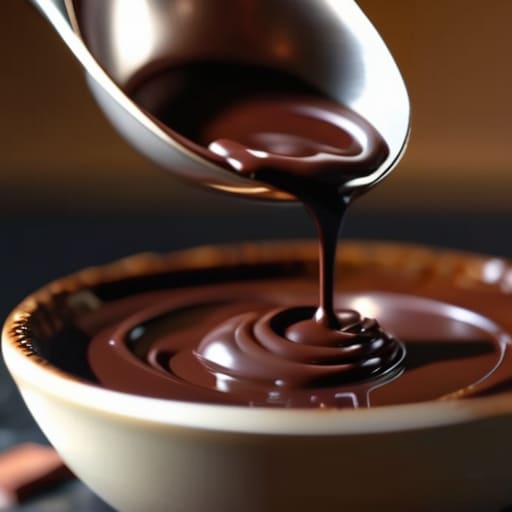
I remember standing in my shop at five in the morning, the air thick with the scent of yeast, watching a young apprentice try to melt a batch of couverture using a microwave because he was in a hurry. Within minutes, the chocolate had seized into a grainy, scorched mess that looked more like wet sand than silk. People spend a fortune on fancy gadgets and expensive molds, thinking that’s the secret to how to work with chocolate at home, but they forget that chocolate is a living thing that responds to heat and moisture with an attitude. If you treat it like a mindless ingredient, it will punish you for it every single time. I am not here to sell you on some expensive tempering machine or a complicated set of rules that require a degree in chemistry. Instead, I want to teach you the feel of the process—the…