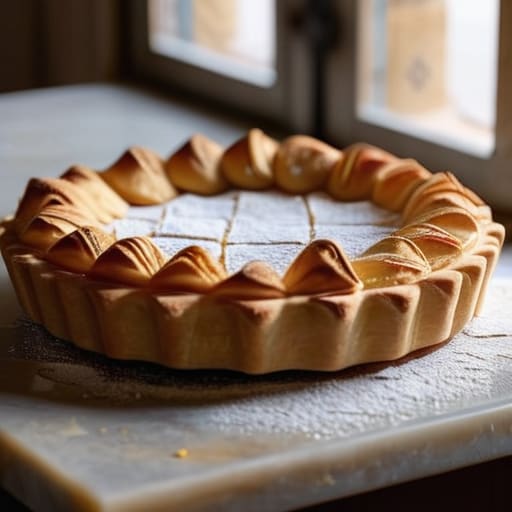
I spent thirty-four years watching people try to fix a bad loaf by throwing more expensive flour at it, and I see the exact same mistake happening in homes every single day. You go into a shop thinking you need a new velvet sofa or a set of designer vases to solve the problem, but you’re just adding clutter to a space that’s already gasping for air. Most people think learning how to decorate simply and well requires a massive budget or a degree in interior design, but that’s just marketing nonsense meant to separate you from your hard-earned money. Real beauty isn’t about the accumulation of things; it’s about knowing when a room has finally found its strength and when to stop.
I’m not going to give you a list of trendy items to buy or tell you to follow a catalog. Instead, I want to talk to you about the rhythm of a room—the way light hits a bare corner or how a single, well-placed chair can hold more weight than a dozen trinkets. I’ll show you how to strip away the noise so you can focus on what actually matters, treating your home with the same intentionality and patience I use when I’m working a piece of dough.
Embracing Minimalist Home Decor Principles With Intention
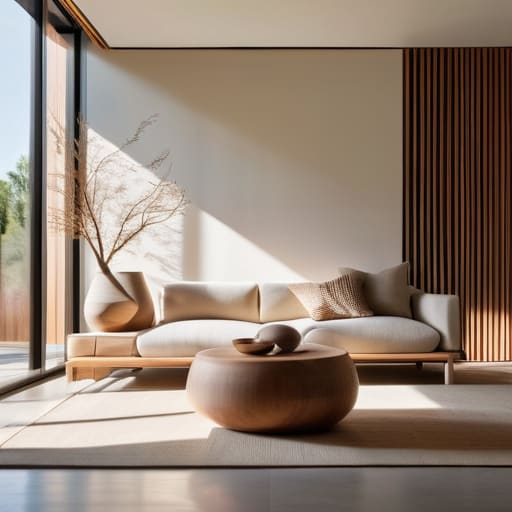
When I was running the bakery, I learned that a crowded counter is the enemy of a good crust. If you have too many bowls, too many flour sacks, and too many gadgets in your way, you lose the rhythm of the work. Decorating your home follows a similar logic. Embracing minimalist home decor principles isn’t about living in a cold, empty box; it’s about clearing away the noise so you can actually see what you’ve built. You have to look at a room and ask if an object is truly serving a purpose or if it’s just taking up space like unfermented dough sitting on a cold marble slab.
I find that curating meaningful decor requires the same discipline as choosing the right grain. You don’t need a hundred trinkets to make a house feel lived-in; you need a few things that actually mean something to you. Whether you are leaning into scandinavian design aesthetics or just trying to find some breathing room, the goal is to create a space that feels settled. If an item doesn’t bring you peace or serve a function, let it go. A room needs room to breathe, just like a well-developed dough.
Curating Meaningful Decor That Survives the Passage of Time
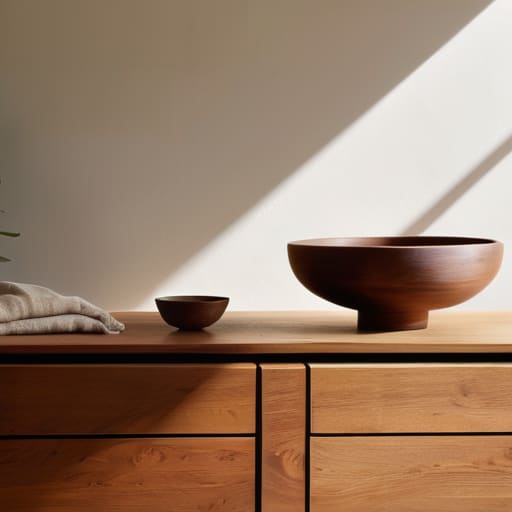
You don’t build a sourdough starter by buying a jar of yeast at the supermarket; you nurture it until it becomes part of the house. Decorating is much the same. If you spend your weekends chasing every passing trend, you’ll end up with a home that feels hollow, like a loaf that didn’t proof. Curating meaningful decor isn’t about filling a shelf because it looks empty; it’s about selecting pieces that have a history or a purpose. I’ve learned that a single, well-loved wooden bowl holds more soul than a dozen plastic trinkets bought on a whim.
When you focus on intentional living spaces, you stop looking at what is missing and start looking at what is actually there. This doesn’t mean your home has to be cold or sterile. You can use neutral color palettes for interiors to create a steady, reliable backdrop—much like a good flour provides the foundation for everything else—allowing the objects you actually care about to breathe. If an item doesn’t make you feel settled, or if it doesn’t serve a function, let it go. A room needs room to breathe, just like a dough needs time to rise.
Five ways to let your home breathe without losing its soul
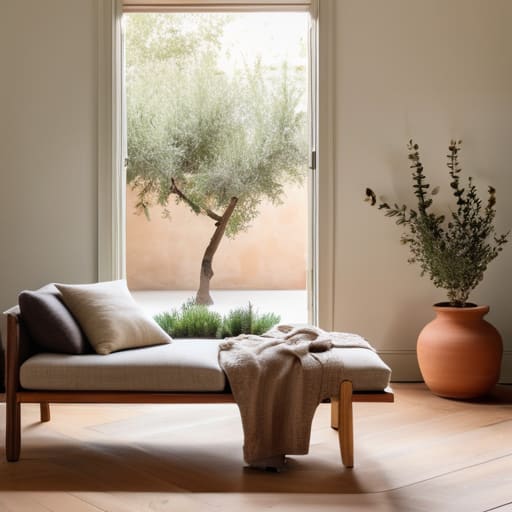
- Respect the negative space. In my bakery, if I crowded the cooling racks, the crusts would turn soft and sad from the trapped steam. Your rooms are the same. You don’t need to fill every corner to make it feel “finished”; sometimes, leaving a wall bare is what allows the pieces you actually love to stand up straight.
- Prioritize the tactile over the visual. A photograph can lie to you about how a velvet cushion looks in sunlight, but it can’t tell you how it feels against your skin. When you’re choosing furniture or textiles, stop looking at the screen and start thinking about the touch. If it feels cheap or flimsy under your hand, it’s just clutter in disguise.
- Treat your belongings like a sourdough starter. You don’t just buy a lifestyle; you nurture it over time. Don’t rush out and buy a “minimalist set” from a showroom just because you think you should. Let your decor grow organically. The best homes, like the best loaves, have a bit of history and a lot of patience baked into them.
- Watch your lighting like you watch an oven temperature. You can have the most beautiful hand-carved table in the world, but if you’re hitting it with a harsh, clinical overhead light, you’ve ruined the mood. Use layers—lamps, candles, soft glows—to create warmth. A room without soft light is like bread pulled too early; it lacks depth.
- Edit with a heavy hand. Every so often, you have to clear the workbench. If an object doesn’t serve a purpose or bring you a genuine sense of quiet joy, it’s just noise. Removing the unnecessary isn’t about deprivation; it’s about making room for the things that actually matter.
The Baker’s Method for a Lived-In Home
Treat your space like a sourdough starter; don’t try to force a finished look overnight, but rather allow the room to develop its character through slow, intentional additions rather than sudden, cluttered bursts.
Avoid the “recipe trap” of following every fleeting decor trend, because just as a cup of flour can vary wildly in weight, a trend’s appeal changes with the season—stick to the fundamental proportions of comfort and utility instead.
If a room feels off, don’t go out and buy more things to fix it; look at the temperature of the space, the way the light hits the surfaces, and whether you’ve given the furniture enough room to actually breathe.
The Final Proof
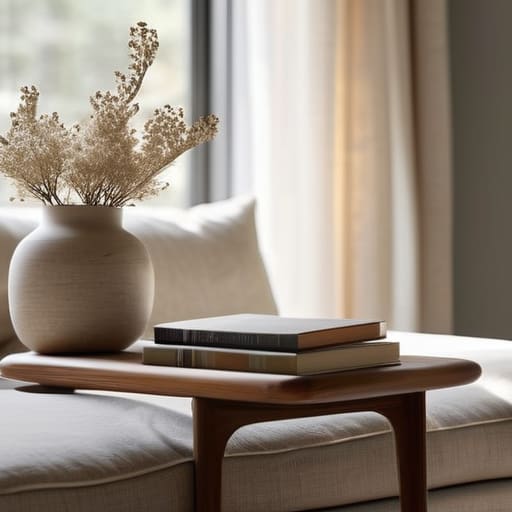
Decorating well isn’t about a grand renovation or a sudden trip to a showroom; it is about the same discipline I used when I first learned to manage a sourdough starter. We have talked about choosing pieces with intention, letting your rooms breathe, and selecting items that actually mean something to your soul rather than just filling a void. If you remember nothing else, remember that simplicity is a process of subtraction, not just an aesthetic choice. You don’t need a house full of things to make it feel complete; you simply need to ensure that what remains has a purpose and a place, much like how a well-balanced dough relies on the perfect ratio of ingredients rather than sheer volume.
At the end of the day, a home should feel lived-in, not staged for a photograph that no one is ever going to see. Just as a loaf of bread needs time to rise and warmth to find its strength, your home needs the grace to evolve alongside you. Don’t rush the process of making a space your own, and don’t be afraid of a little empty space—it is often in those quiet gaps that a room truly finds its character. Treat your home with the same gentle patience you would give to a delicate pastry, and eventually, you will find that you haven’t just decorated a house, you have cultivated a sanctuary.
Frequently Asked Questions
How do I know when I've added enough to a room without it starting to feel cluttered or "over-proofed"?
You have to learn to read the room the same way I read a piece of dough. If you keep adding things, you’re just over-proofing; the space loses its structure and collapses under the weight of it all. Stop looking at what’s missing and start looking at the “air” between your objects. If a corner feels heavy, it’s because it lacks breathing room. If the room feels hollow, it’s not more things you need, but more intention.
If I want to live with fewer things, how do I choose the pieces that are actually worth the space they take up?
You don’t choose a piece by how it looks in a showroom, just like you don’t pick a loaf by its crust alone. You look for the bones. Ask yourself: does it serve a purpose, or does it hold a memory? If it’s just filling a gap, leave it out. A room needs breathing room, much like a dough needs space to rise. Only keep what has weight—not in grams, but in meaning.
Can a home truly feel warm and lived-in if I'm strictly following minimalist principles, or will it just feel cold like an empty kitchen?
A kitchen feels cold when it’s sterile, not when it’s simple. You can have a minimalist room that still holds heat, just like a lean dough that still has soul. It’s about texture and the things you actually touch. A single, well-loved wooden bowl or a linen throw provides the “warmth” you’re looking for. Don’t fear the empty spaces; they are just like the resting periods for dough—they let the important things breathe.