I remember a Tuesday morning back in ’94, standing over a tiered wedding cake that had more cracks than a dried-up riverbed, simply because the kitchen was too warm and the baker was in too much of a hurry. People treat fondant like it is some magic wand that can turn a mediocre sponge into a masterpiece, but that is a lie. If you try to use it to hide a cake that hasn’t been leveled or chilled, you aren’t decorating; you are just masking a failure. Understanding how fondant is used well isn’t about buying the most expensive rolling pin or the flashiest edible gold; it is about respecting the temperature of your room and the stability of what lies beneath it.
I am not here to sell you on fancy shortcuts or tell you that a bit of extra sugar will fix a structural disaster. Instead, I am going to tell you exactly how to handle the stuff so it behaves like a second skin rather than a tearing mess. We are going to talk about the physics of the drape, the necessity of a cold workspace, and why your hands are often your greatest tool—or your worst enemy.
Choosing the Best Fondant for Beginners Without Compromising Soul
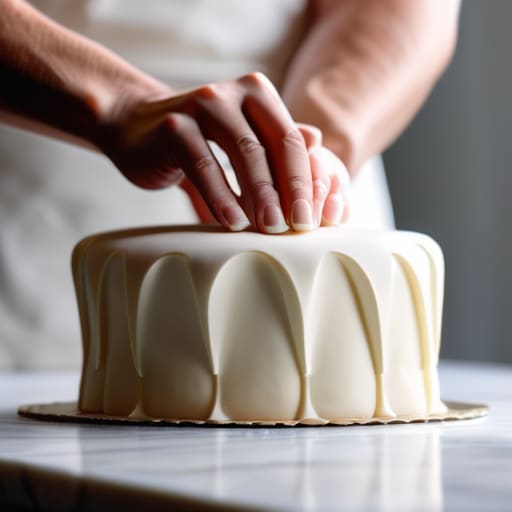
Now, when you go to the shops, you’ll see a dozen different tubs and packets, all promising the world. Most beginners make the mistake of grabbing the cheapest sugar paste they can find, thinking it’s just a matter of color and cost. It isn’t. If you buy something that is mostly cornstarch and air, you aren’t decorating; you’re just trying to wrap a gift in tissue paper. For your first few tries, you need a professional-grade paste that has enough elasticity to move with your hands rather than fighting you.
The best fondant for beginners is one that feels slightly tacky—almost like playdough—rather than dry and brittle. If it feels like it’s going to snap the moment you stretch it, put it back on the shelf. You want something that allows for a slow, steady pull so you can focus on preventing fondant cracks while you’re still learning the rhythm of the drape. Don’t worry about the fancy, pre-colored tins just yet; start with a plain, high-quality white. It’s easier to manage, and more importantly, it won’t leave that strange, chemical aftertaste that makes people reach for their water glass after a single bite.
Mastering How to Smooth Fondant on Cakes With Steady Hands
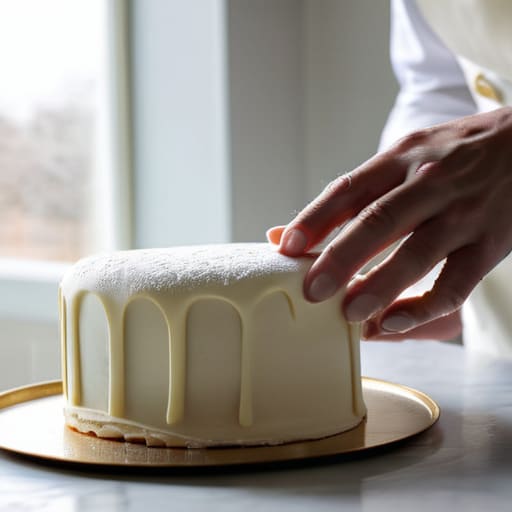
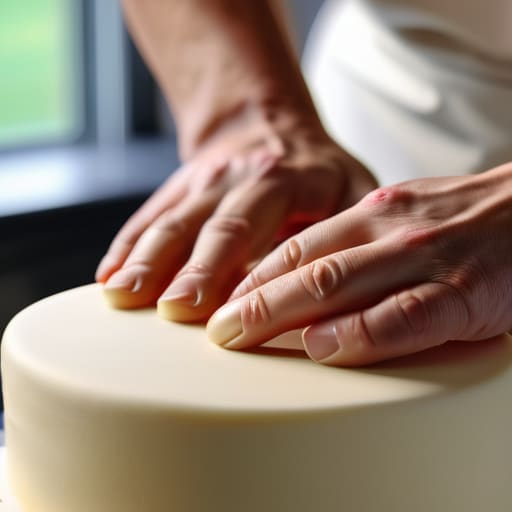
If you think smoothing fondant is about force, you’ve already lost the battle. I spent decades watching young decorators try to bully the sugar into submission, and all they ever got for their trouble were tears and jagged edges. To truly learn how to smooth fondant on cakes, you have to stop fighting the material and start listening to it. Your hands should be light, almost hesitant. If you press too hard, you aren’t smoothing; you are stretching the sugar until its structural integrity fails, which is the primary culprit behind preventing fondant cracks later in the process.
The secret isn’t in the strength of your palms, but in the warmth of your touch and the cleanliness of your tools. Use a plastic smoother, not metal—metal is too cold and too unforgiving. Work from the center outward in gentle, sweeping motions, letting the weight of your hand do the work rather than your muscles. If the fondant feels tacky or starts to drag, stop. It’s telling you the room is too warm or your hands are too hot. Patience is your best tool here; if you rush the smoothing to get to the next step, you’ll spend the rest of the afternoon trying to fix the lumps you created.
Five ways to treat fondant with the respect it deserves
- Temperature is your silent partner; if your kitchen is sweltering, the fondant will become a weeping, sticky mess before you can even get it near the cake, so work in a cool room and keep your hands moving.
- Never try to hide a crumbly or uneven cake under a sheet of sugar; fondant is a second skin, not a heavy cloak, so ensure your crumb coat is firm and smooth or the lumps will show through like bruises.
- Stop fighting the dough; if you find yourself wrestling with the fondant to get it to lay flat, you are likely overworking it and heating it up with your palms, which causes it to tear—relax your touch and let the weight of the sugar do the work.
- Thickness is a matter of intention, not guesswork; aim for a consistent 3mm to 4mm thickness, because if you roll it too thin in an attempt to be delicate, it will lose its structural integrity and crack at the slightest movement.
- Patience is the final ingredient; once the fondant is draped, leave it be. If you go poking and prodding at it to “fix” a tiny air bubble, you will only create more, so let the gravity and the stillness of the room settle the sugar into place.
The Baker’s Truths for a Flawless Finish
Temperature is your silent partner; if your kitchen is too warm, the fondant will lose its structural integrity and become a sticky, unmanageable mess, so work in a cool room and don’t fight the climate.
Stop chasing a photographic perfection that doesn’t exist; instead, focus on the tension of the drape, ensuring the fondant moves with the cake rather than being forced over it like a heavy shroud.
Respect the drying time, because if you try to rush the setting process or move the cake before the sugar has found its peace, you’ll find every crack and seam you tried so hard to hide.
The Final Fold
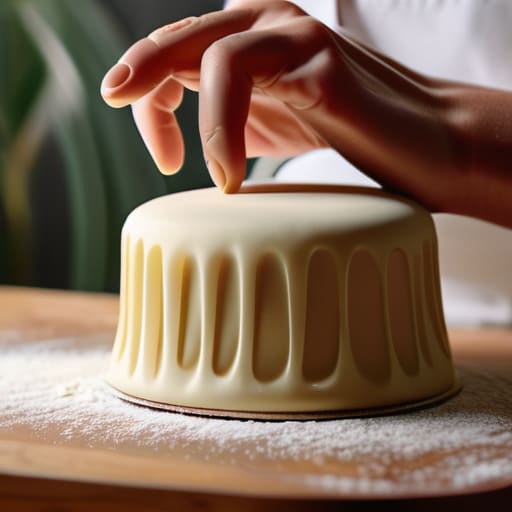
At the end of the day, using fondant well isn’t about achieving some sterile, plastic perfection you see in a magazine; it is about understanding the relationship between the sugar, the temperature of your kitchen, and the pressure of your palms. We have talked about choosing a product that actually has enough body to work with and the necessity of a steady, patient hand when you are smoothing it over those curves. If your edges are sharp and your surface is matte rather than shiny and sweating, it is because you respected the material’s temperament and didn’t try to force it into submission. Remember, if the fondant begins to tear or pull, it is rarely a fault of the brand, but a sign that your environment or your timing was out of sync with the sugar.
Don’t let the fear of a crack or a wrinkle keep you from the bench. Every baker, even those of us who have spent decades staring at dough before the sun comes up, has had a cake that looked more like a crumpled map than a masterpiece. The difference between a hobbyist and someone who truly knows their craft is the ability to look at a mistake and see exactly why the sugar behaved that way. Treat your fondant with the same respect you would give a living sourdough starter—give it the right warmth, the right rest, and the patience it deserves. If you do that, the beauty will follow, not because you followed a checklist, but because you learned to listen to what the cake was telling you.
Frequently Asked Questions
Why does my fondant start to sweat or turn into a sticky mess as soon as it touches the cake?
That sweating isn’t a fault of your fondant; it’s a battle between temperature and moisture. If your cake is still even slightly warm, or if your kitchen is heavy with steam, the sugar is simply trying to pull that moisture into itself. You’re seeing condensation. Stop trying to fight it with more smoothing; instead, let the cake cool completely in a dry, draft-free room. Patience is your only real tool here.
How do I know if my cake filling is too soft and going to cause the fondant to bulge or tear?
If your filling feels like a thick custard or a heavy cream rather than a stable, structured layer, it’s going to fight you. I always say a filling should hold its own weight. Take a small spoonful; if it slumps and spreads immediately, it’s too wet. It needs to be more like a thick ganache or a stiff buttercream. If the filling moves under the weight of the cake, the fondant will eventually bulge or tear.
If I'm working in a kitchen that's too warm, how can I keep the fondant from becoming unmanageable?
If your kitchen feels like a sauna, you’re fighting a losing battle with physics. Fondant is temperamental; heat makes it weep and lose its structure. Keep your workspace as cool as you can stand, and if the dough starts feeling tacky or “slumping” under your palms, stop. Step away. Let it rest in a cool corner for ten minutes. You can always warm it up later, but you can’t un-melt it once it’s gone.