I’ve spent thirty-four years watching people approach a table with more ceremony than sense, treating a simple sweet course like a high-stakes chemistry exam. You’ll see them staring at a wine list, paralyzed by the fear of making a “wrong” choice, as if a slightly mismatched glass of Port is going to ruin their entire evening. They listen to those expensive, polished experts who talk about “notes of toasted oak” and “floral undertones” until your ears ring, but they rarely tell you the truth about how to pair dessert with drinks in a way that actually matters. Most of that high-society nonsense ignores the most basic rule of the table: if the drink is fighting the sugar instead of dancing with it, you’ve wasted both the bottle and the bake.
I’m not here to teach you how to impress a sommelier; I’m here to tell you how to actually enjoy your food. I want to show you how to balance acidity against fat and how to ensure your drink has enough backbone to stand up to a heavy crumb. We aren’t going to worry about fancy labels or pretentious terminology. Instead, I’ll give you the practical, no-nonsense logic of flavor, so you can stop overthinking and start tasting.
Mastering Flavor Profile Matching Without the Rushed Hand
You can’t rush a proofing dough, and you certainly shouldn’t rush the way you approach a palate. People often treat pairing like a frantic dash to the finish line, but true flavor profile matching is more like waiting for a sourdough to reach its peak; it requires an understanding of how different elements will settle into one another. If you have a dessert that is cloyingly sweet, you shouldn’t reach for something equally sugary. That’s a recipe for a heavy, dull finish. Instead, you need to look for a sweetness vs acidity balance—a sharp, bright note to cut through the richness, much like a splash of lemon juice lifts a heavy custard.
It is the same with the heavier hitters. When you are working with dark, bitter chocolate, you need to respect the tannins and sugar interaction. A thin, sweet juice will simply vanish against a high-percentage cacao; you need a drink with enough structure—perhaps a fortified wine—to stand its ground. Don’t just aim for “good”; aim for a conversation where neither the food nor the drink is shouting over the other.
Sweetness vs Acidity Balance the Weight of the Pour
Most people approach a dessert course like they approach a quick loaf of soda bread—they just throw things together and hope for the best. But if you’re serving something with a heavy sugar load, you can’t just pour another sweet liquid alongside it. That’s a recipe for a palate that feels bruised and tired. You have to respect the sweetness vs acidity balance; if the dessert is cloying, your drink needs enough bright, sharp acidity to cut through that weight. Think of it like a well-hydrated dough—it needs that tension to keep from collapsing under its own heaviness.
When you’re dealing with the darker, more complex side of things, like a rich chocolate tart, the rules shift slightly. You aren’t just looking for sugar; you’re managing the tannins and sugar interaction. A high-tannin red wine paired with a dark chocolate might fight you tooth and nail, leaving a dry, metallic finish that ruins the creaminess of the cocoa. Instead, look for a drink that offers a structural counterpoint. Whether it’s a bright fruit-forward pairing or a sharp espresso, the goal is to ensure the drink cleanses the palate rather than just adding more weight to the meal.
The Baker’s Ledger: Five Rules for Not Ruining a Good Dessert
- Respect the Weight of the Sugar. If you’re serving a dense, heavy chocolate torte—something that sits on the tongue like a well-proofed rye—you cannot pair it with a thin, watery drink. You need something with enough body, perhaps a fortified wine or a stout, to match that structural intensity. If the drink is lighter than the dessert, the dessert wins, and the drink simply vanishes.
- Use Acidity to Cut the Fat. When I make a pastry with a high butter content, like a laminated mille-feuille, the palate gets coated quickly. You need a drink with bright acidity—think a crisp sparkling cider or a sharp dessert wine—to act like a knife, cutting through that richness so your next bite doesn’t feel like a chore.
- Temperature is a Hidden Ingredient. Just as a kitchen that’s too cold will stall a fermentation, a drink that’s too warm can flatten the nuances of a delicate sponge. If you are serving a light, airy lemon chiffon, serve your pairing chilled. If the drink is room temperature while the dessert is cold, you’ll create a sensory clash that feels disjointed and rushed.
- Match the Bitterness, Not Just the Sweetness. People often forget that cocoa and coffee have a natural bitterness. If you’re serving a dark chocolate ganache, don’t reach for something cloyingly sweet; reach for something that shares that roasted, slightly bitter edge. It’s about finding a common language between the glass and the plate.
- Don’t Rush the Complexity. A complex dessert with layers of spice, fruit, and cream requires a drink that has the patience to unfold. If you pair a nuanced spiced cake with a generic, sugary soda, you’ve effectively silenced the work you put into the bake. Choose a drink that has its own story to tell, one that unfolds slowly as the meal progresses.
The Baker’s Rules for a Final Course
Stop chasing sugar with more sugar; if your dessert is rich and heavy, your drink needs enough acidity or bitterness to cut through the fat, or you’ll feel weighed down before the plate is even cleared.
Respect the temperature of the room and the glass; just as a dough won’t rise in a drafty kitchen, a delicate dessert will be completely lost if you pair it with a drink that is too aggressive or served at the wrong temperature.
Trust your palate over the pairing guide; if the drink is drowning out the nuance of the bake, adjust the pour—the goal is a conversation between the two, not one shouting over the other.
The Final Fold
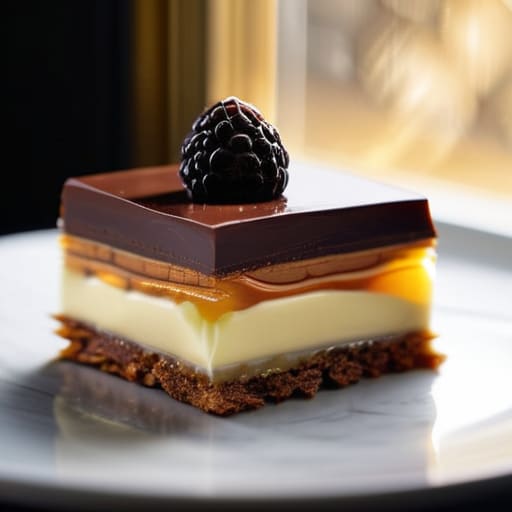
At the end of the day, pairing a dessert with a drink is much like managing a sourdough starter; it requires an understanding of balance, temperament, and a refusal to rush the process. We have looked at how the weight of a heavy chocolate ganache demands a drink with enough structure to stand up to it, and how acidity acts as the essential counterpoint to prevent a palate from feeling bogged down by sugar. Remember that you aren’t just matching flavors on a list; you are managing the interplay of intensity and texture. If your dessert is rich and fatty, your drink needs to cut through that weight. If your pastry is delicate and airy, don’t drown it in a liquid that possesses more presence than the bake itself.
Don’t let the fear of a “wrong” combination keep you from experimenting in your own kitchen. Recipes are merely maps, but the actual journey is found in the way a sip of cold cream or a sharp espresso changes the way a crumb tastes on your tongue. If a pairing fails, don’t blame the ingredients—look at the balance of the components and try again. Baking and drinking are both acts of intentional patience. Trust your senses more than a textbook, and remember that the most memorable pairings are often the ones where you stopped following the rules and started listening to what the food was actually telling you.
Frequently Asked Questions
If my dessert is a heavy, dense fruitcake rather than a light sponge, how do I choose a drink that won't just disappear against the weight of the crumb?
A dense fruitcake isn’t a sponge; it’s a structural event. If you try to pair it with something thin or sparkling, the cake will simply swallow the drink whole. You need something with enough body and “grip” to stand up to that crumb. Think of it like a heavy dough—it needs substance. A dark, malty ale or a fortified wine with significant tannins provides the necessary weight to cut through the sugar and spice.
I often find that a sweet wine makes my dessert taste even sweeter; how do I find that acidity I need to actually balance the sugar instead of just doubling down on it?
You’re hitting the sugar wall because you’re matching sweetness with sweetness, which is like trying to quench a fire with more wood. If your dessert is heavy on the sugar, your drink needs enough acidity to act like a knife, cutting through that coating on your tongue. Look for something with a bright, sharp backbone—think a crisp Riesling or even a tart fruit infusion. You want the drink to cleanse the palate, not join the party.
Does the temperature of the drink matter as much as the flavor profile, or am I overthinking the physics of the pour?
You aren’t overthinking it; you’re finally paying attention. Temperature is just another variable, much like the ambient heat in my kitchen when the dough won’t rise. A heavy, warm chocolate cake paired with a room-temperature port is a lovely thing, but if that drink is ice-cold, you’ll numb your palate before you even taste the cocoa. Temperature dictates how much flavor hits your tongue at once. Don’t rush the pour; respect the thermal weight.