I remember those four a.m. starts in the village bakery, the air thick with flour dust and the scent of yeast, when a batch of sourdough didn’t rise quite right. Most people see a crust that’s gone stubborn and think it’s a failure, a waste of flour and water that belongs in the bin. They’ll tell you that you need some fancy, processed breadcrumbs or a complicated recipe to make it work, but that’s nonsense. Learning how to use stale bread isn’t about finding a way to hide a mistake; it’s about understanding that a loaf that’s lost its spring is actually just waiting for a second act.
I’m not going to give you a list of complicated, ingredient-heavy recipes that require a trip to a specialty grocer. Instead, I’m going to show you how to respect the grain by using what you already have. We’ll talk about the difference between a bread that needs a soak and one that needs a grind, focusing on the texture and the moisture rather than just following a picture. I’ll teach you how to transform those hard edges into something better than the day they were baked, using nothing but a bit of heat, a little salt, and some common sense.
Rehydrating Old Bread to Find Its Lost Vitality
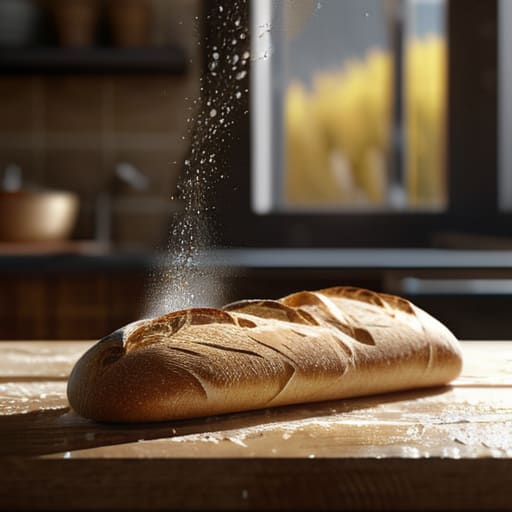
When a loaf goes hard, it hasn’t actually died; it’s just lost its internal moisture to the air in your kitchen. Most people see a rock and think it’s trash, but rehydrating old bread is often as simple as a bit of steam or a quick splash of water before it hits the oven. If you have a crusty baguette that’s turned stubborn, slice it, run it under a cold tap just enough to dampen the surface, and pop it into a hot oven. You’ll find that the heat drives that moisture back into the crumb, bringing back a bit of that lost vitality that makes a sandwich worth eating.
If the bread is past the point of a simple soak, don’t fret. This is where we move into the realm of soaking liquids—milk, cream, or even a rich stock. I always tell my students that the best savory bread pudding ideas come from bread that is truly, unapologetically stale. You need that structural integrity to hold up against the custard. If you rush it with fresh bread, you get mush; if you use the old stuff, you get layers of texture that hold their shape beautifully.
The Art of Using Breadcrumbs in Cooking With Intent
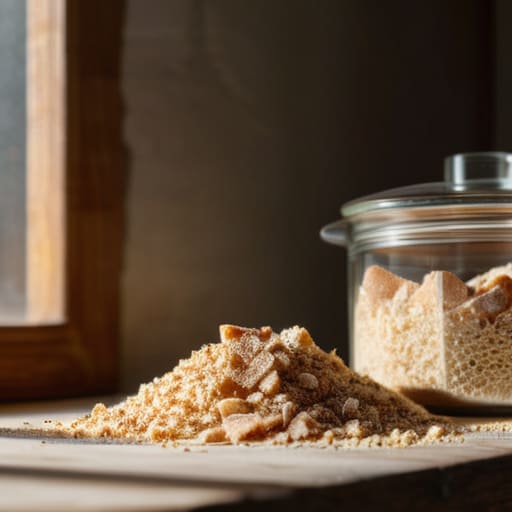
Now, if you aren’t looking to soak your bread back to life, you should look at grinding it down. I never liked the store-bought dust in those plastic canisters; it has no soul and even less flavor. When I’m using breadcrumbs in cooking, I want them to carry the character of the grain. Take your stale crusts, pulse them in a processor until they are just right—not a fine powder, but a coarse sand—and keep them in a jar. If you’ve got a sourdough that’s gone a bit too hard, those crumbs make a spectacular coating for a piece of fish or a chicken thigh.
For something more substantial, don’t just settle for a basic topping. I often find myself leaning into savory bread pudding ideas when I have a surplus of crumbs and a bit of leftover cheese or herbs. It’s about building layers of texture. You can also toss those coarse crumbs with a bit of olive oil and a custom homemade crouton seasoning—think dried thyme, sea salt, and a heavy hand of cracked pepper—and toast them until they smell like a proper kitchen. It’s about respecting the grain, even when it’s lost its shape.
Five Ways to Respect the Crust
- Stop treating a hard loaf like a mistake; if it’s just lost its moisture but hasn’t gone sour or moldy, a quick dip in water followed by a hot oven can bring the crumb back to life better than any store-bought slice.
- When you’re making breadcrumbs, don’t just toss them in a blender; toast them in a dry pan first until they smell like toasted grain, and keep your weights consistent so your coatings don’t end up too heavy or gummy.
- If you have bread that’s gone truly stubborn, use it as the backbone for a savory bread pudding—but remember that the ratio of liquid to bread is everything, and you need enough custard to penetrate the center without turning it into mush.
- Don’t let your leftover crusts go to waste when making croutons; toss them in olive oil and coarse salt, then bake them low and slow until they are completely dehydrated, which makes them much better for soaking up a soup than the airy, processed kind.
- If you’re making a panzanella or a bread salad, use bread that is at least a day or two old; you want those cubes to be firm enough to stand up to the vinaigrette without disintegrating into a soggy mess the moment they hit the bowl.
The Baker's Golden Rules for Salvaging the Stale
Never treat a hard crust like a mistake; a loaf that has lost its soft spring is simply a change in state, moving from a vessel for butter to a foundation for texture.
Respect the moisture; whether you are soaking a cube for a pudding or grinding a heel into crumbs, you are managing the bread’s relationship with water, so do it with intention.
Listen to the texture, not the clock; a stale loaf tells you exactly what it wants to be—if it’s rock hard, it’s a crouton, and if it’s just a bit tired, it’s a soak.
A Final Word on the Hardened Crust
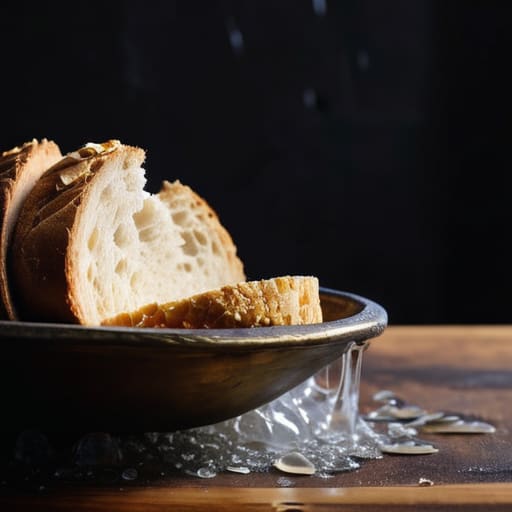
At the end of the day, whether you are soaking a chunk of sourdough to bring it back to life or grinding it down into fine, golden crumbs for a gratin, you aren’t just managing waste; you are practicing respect for the craft. We’ve looked at how a bit of moisture can restore a loaf’s soul and how those dried-out edges can become the very thing that provides structure and crunch to a dish. Remember, the goal isn’t to hide the fact that the bread is old, but to transform its texture into something that serves a new purpose. If you treat the bread with intention—matching the hydration to the age of the crumb and understanding how much fat or liquid it can actually pull in—you’ll find that stale bread often performs better in a pan than a fresh, springy loaf ever could.
I spent three decades watching dough rise and fall, and if there is one thing I learned from those pre-dawn shifts, it is that nothing in a kitchen is truly finished until it has been used to its fullest. A loaf that has lost its softness isn’t a failure; it’s just an ingredient waiting for its second act. Don’t let a hard crust make you feel like you’ve wasted your flour and your time. Instead, lean into it. Patience and a bit of intuition will turn that stubborn, forgotten baguette into the best part of your next meal.
Frequently Asked Questions
If I'm making breadcrumbs for a gratin, should I toast them in the oven first or just let them dry out on the counter?
If you’re heading for a gratin, don’t bother with the counter; it’s too slow and leaves the crumbs uneven. I always say, if you want a crust that sings, you need control. Toss them in a low oven—about 150°C—until they’re bone-dry and smelling of toasted grain. It ensures every single crumb is ready to crisp up the moment it hits that bubbling cheese, rather than steaming the top of your dish.
My sourdough went rock-hard instead of just being chewy; is that still salvageable for a bread pudding or is it too far gone?
Oh, darling, don’t you dare toss it. If it’s rock-hard, it’s just a loaf that lost its battle with evaporation, not its soul. For a bread pudding, that’s actually a blessing. A soft, fresh loaf will just turn into mushy porridge once it hits the custard; you want something with structural integrity that can soak up that cream without collapsing. Tear it into chunks, let them sit overnight to soften, and you’ll have perfection.
When I'm soaking bread for a savory custard, how do I know if I've added too much liquid and turned it into mush instead of a structured soak?
If you’re making a savory custard, you aren’t looking for a soup; you’re looking for a sponge. When you press a piece of that soaked bread between your thumb and forefinger, it should feel heavy and saturated, but it shouldn’t weep liquid like a wet rag. If it collapses into a paste that won’t hold its shape when you squeeze, you’ve overshot the hydration. Aim for a texture that’s supple but still has some structural integrity left.