Everyone tells you that if your éclairs come out flat and sad, you simply didn’t follow the recipe, but that is a lie. I spent my first few years in the bakery watching young apprentices weep over heavy, sodden shells, and I can tell you that the fault almost never lies in the measurements. If you are struggling with how to make choux pastry that actually holds its shape, it isn’t because you used the wrong brand of flour; it is because your panade wasn’t dried long enough on the heat, or your kitchen was too drafty for the steam to do its work. Choux isn’t a chemistry experiment you can set and forget; it is a dance of temperature and moisture that requires you to pay attention to the pot, not just the page.
I am not here to give you a list of pretty pictures or a “foolproof” method that ignores the reality of a working kitchen. Instead, I am going to teach you how to feel the weight of the dough and listen to the way it pulls away from the sides of the saucepan. We will talk about the exact moment the starch is gelatinized and why steam is your only real leavening agent. I’ll give you the ratios you need, but more importantly, I’ll give you the intuition to know when your dough is truly ready to meet the oven.
Recipe Details
Ingredients
- 125ml water
- 50g unsalted butter, cubed
- 75g all-purpose flour, sifted
- 2 large eggs, lightly beaten
- 1 pinch salt
- 1/2 teaspoon sugar
Recipe Instructions
Step 1
First, get your weights ready. We aren’t using cups here; we are working with a 100% hydration base for the liquid component to keep things honest. You’ll need 125g of water (or milk if you want a richer, softer crumb), 50g of unsalted butter, and a generous pinch of salt. Put them in a heavy-bottomed saucepan over medium heat. You aren’t looking for a rolling boil, just enough to melt that butter completely. If the water starts boiling too hard before the butter is gone, you’re losing moisture to steam, and that’s the first way to ruin your rise.
Step 2
Once the butter is melted and the liquid is just starting to shimmer, dump in your 75g of strong bread flour all at once. Don’t hesitate or sift it; just get it in there. Switch to a sturdy wooden spoon and stir like you mean it. You are looking to form a panade—a thick, cohesive ball of dough. You’ll know it’s ready when a thin film forms on the bottom of the pan, telling you that you’ve cooked out enough raw flour moisture to allow for the eggs later.
Step 3
Move that panade to a bowl and let it cool. This is where people get impatient and where most beginners fail. If you add your eggs while the dough is still screaming hot, you will cook them, and you’ll end up with sweet scrambled eggs instead of pastry. Give it ten minutes, or use a thermometer to ensure it’s below 60°C. It should feel warm, not hot, against your skin.
Step 4
Now, we add the eggs. You’ll need about 125g of whole eggs, but don’t just dump them in. Crack them into a jug and whisk them lightly first. Add them to your dough in small increments—about 25g at a time. This is the most important part: you are looking for the texture of a lava flow. If the dough is too stiff, it won’t expand; if it’s too runny, it will puddle. Use your spoon to beat the dough vigorously after each addition until it is smooth, glossy, and falls off the spoon in a heavy, V-shaped ribbon.
Step 5
Finally, get your trays ready and pipe your shapes. I prefer using a star tip to give the dough more “edges” to catch the heat, which helps the steam push the pastry upward. Don’t crowd the trays; they need room to breathe and expand. Once they are piped, bake them in a preheated oven at 200°C for about 15 minutes to set the structure, then drop the temperature to 170°C to dry them out. Whatever you do, do not open the oven door to peek halfway through, or that sudden rush of cold air will collapse every bit of hard work you’ve put in.
Mastering the Pte Choux Technique Through Touch
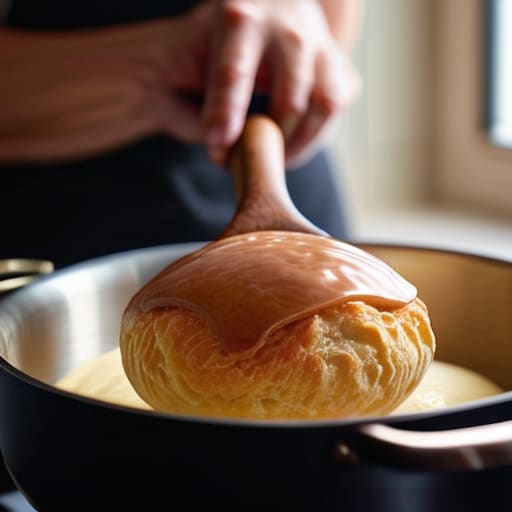
You’ll find that the most important part of this process isn’t something you can measure on a scale; it’s the way the dough responds to your wooden spoon. When you’re cooking the flour and water on the stove, don’t just look for it to clump together. You are looking for that thin, translucent film to form on the bottom of the pan—that’s your signal that the starch has gelatinized. If you stop too early, your puffs will be heavy; if you go too long, you’ll cook out the moisture you need for the rise. Once you start adding the eggs, stop thinking about “beating” and start thinking about incorporating. You want a dough that is glossy and holds a soft, V-shaped peak when you lift the spatula.
If you find yourself struggling with troubleshooting soggy choux, the culprit is almost always a lack of steam or a premature exit from the oven. Choux relies on the internal moisture turning to steam to push those walls outward. If you peek too early, you let the heat escape and the structure collapses. Once they are golden and firm, let them sit in the turned-off oven with the door ajar for a few minutes. This dries the shells out, ensuring they stay crisp enough to hold even the most decadent pastry cream filling ideas, from classic vanilla bean to a sharp lemon curd.
Why Steam Oven Temperature for Pastry Is Non Negotiable
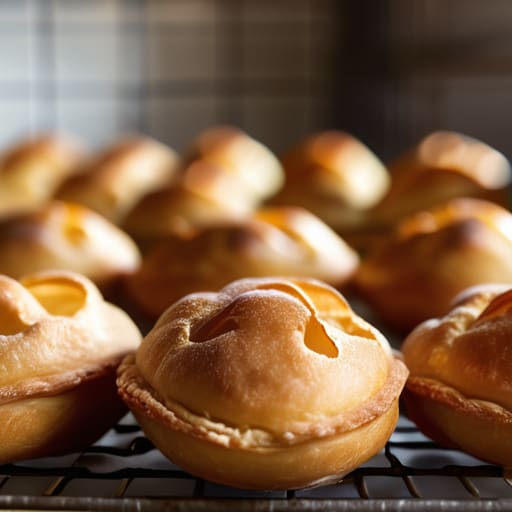
If you’ve ever pulled a tray of hollow, sad-looking shells from the oven, I can almost guarantee it wasn’t your flour or your butter—it was your oven’s temperament. In my old shop, we didn’t just turn a dial; we managed the air. Choux relies entirely on the physical expansion of moisture turning into steam within the dough. If your oven is bone-dry, the crust sets too quickly, trapping the dough in a tight, stunted shape before it has a chance to climb. This is why steam oven temperature for pastry is the secret language of the professional; that initial burst of humidity keeps the “skin” of the dough supple, allowing it to stretch to its full, glorious potential.
Now, don’t go thinking you need a specialized industrial steamer to fix this. If you’re at home, a simple tray of boiling water tossed into the bottom of the oven during the first ten minutes can work wonders. But be careful—if you don’t vent that steam out halfway through, you’ll end up troubleshooting soggy choux for the rest of the afternoon. You want that steam to lift the pastry, but you need the dry heat to finish the job and dry the interior. If the center stays damp, the whole thing will collapse the moment you try to pipe in your filling.
Five Things Your Recipe Card Won't Tell You
- Stop looking at the clock and start looking at the panade; once you’ve cooked your flour and water mixture, you need to see that thin, milky film forming on the bottom of the pot—that’s the signal that the moisture has evaporated enough to make room for the eggs.
- Don’t go dumping all your eggs in at once just because the recipe says so; eggs are temperamental, and if your kitchen is particularly warm today, you might find you need slightly less than the weight calls for to get that perfect, glossy ribbon consistency.
- If your dough feels heavy and sluggish, don’t panic and add more flour; it likely just needs a bit more warmth or a more vigorous beat to develop the structure, so give it a moment to settle before you decide the recipe has failed you.
- The biggest sin you can commit is opening the oven door too early; I’ve seen many a beautiful profiterole collapse into a sad, wet puddle because someone wanted to peek, and once that steam escapes, the structure is gone for good.
- Remember that hydration is everything, and if you’re working with a flour that’s particularly thirsty, your dough will feel tighter than usual—trust your hands to tell you when it’s supple, not the numbers on a page.
The Three Things to Remember When the Oven Door Closes
Forget the measurements for a moment and listen to your panade; if it doesn’t pull away from the sides of the pot with a heavy, cohesive resistance, you haven’t cooked the flour long enough to set the structure.
Stop opening the oven door to peek, no matter how curious you are; choux lives and dies by the steam it creates, and a single draft of cold air will collapse a shell before it has even had the chance to set.
Trust your hands over your eyes when it comes to the final consistency; the dough should feel supple and slightly tacky, but it must hold its shape, and if your kitchen is particularly damp, you may need to cook that flour a minute longer than the recipe suggests.
A Final Word Before the Oven
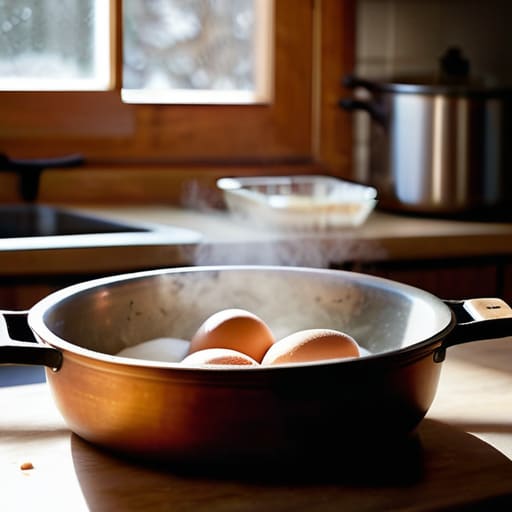
If you walk away with nothing else, remember that choux is a living thing. It isn’t a static list of measurements on a page; it is a dance between the heat of your pan and the moisture in your kitchen. You must watch for that heavy, pulling resistance in the panade to ensure the flour is truly cooked, and you must respect the steam. If you try to rush the bake or peek through the oven door too early, you are essentially asking the pastry to collapse under its own weight. Success lives in the details: the precise hydration, the temperature of your eggs, and the unwavering patience required to let the steam do the heavy lifting.
Don’t be discouraged if your first batch looks more like a collection of sad, flat discs than the glorious, airy clouds you see in magazines. I spent my first few years in the bakery making nothing but heavy, doughy lumps, and I learned more from those failures than I ever did from my perfect loaves. Baking is a conversation between your hands and the ingredients, and sometimes the ingredients need to tell you something. Keep your weights exact, keep your kitchen warm, and most importantly, trust your senses over the clock. Eventually, the dough will stop fighting you, and that is when the real magic begins.
Frequently Asked Questions
My éclairs are coming out hollow and limp instead of holding their shape; did I cook the panade long enough on the stove?
It’s rarely just the panade, though that’s a fair suspicion. If you didn’t cook it until a thin film formed on the bottom of the pot, you haven’t evaporated enough moisture to make room for the eggs. But even a perfect panade won’t save you if you rush the eggs or if your oven door creaks open too soon. If they’re limp, they’re starving for structure—either from undercooking the flour or losing steam mid-rise.
Can I use cold eggs if my kitchen is particularly warm, or will that ruin the emulsion?
If your kitchen is sweltering, use the cold eggs. You’re looking for an emulsion, not a scramble. If you dump room-temperature eggs into that hot panade, you risk the fat separating before the starch can grab hold. I’d much rather work with a slightly cooler dough that I can control than a greasy, broken mess because the heat got ahead of me. Just give them a minute to settle once they’re in.
I've noticed my puffs are cracking unevenly on top—is that a sign I opened the oven door too early?
It’s a possibility, but don’t go blaming the door just yet. If you’re cracking unevenly, it’s often a sign of uneven heat or a surface that dried out too quickly. If you did peek, that sudden drop in temperature causes the steam inside to collapse before the structure is set. But more likely? Your oven has a hot spot, or your dough wasn’t quite hydrated enough to expand smoothly. Watch the heat, not just the door.