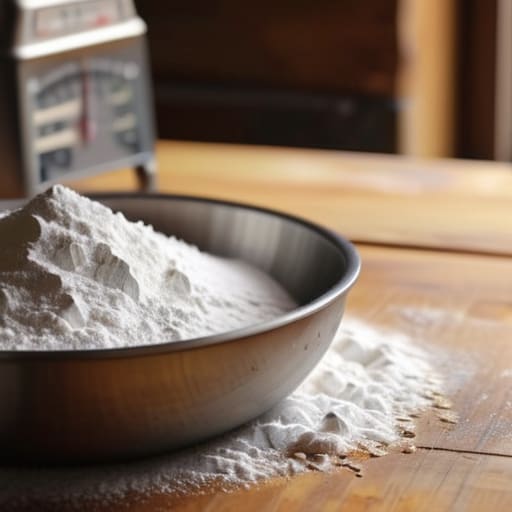
I spent thirty-four years watching people throw money at “specialty” flours and gold-leafed extracts, convinced that a fancy label would fix a heavy, lifeless loaf. They spend hours scouring the internet for a complete guide to baking ingredients only to find lists of expensive, branded powders that do nothing for the soul of the bread. Let me tell you a secret from a woman who spent her life kneading dough by the light of a dim bulb at four in the morning: you don’t need a pantry full of miracles. You need to understand the basic chemistry of what you’re actually holding in your hands.
I’m not here to sell you a lifestyle or a collection of boutique spices you’ll use once and forget. What I’m going to give you is the honest, unvarnished truth about how flour, water, salt, and yeast actually behave when they meet heat. We are going to look past the marketing fluff and focus on the functional reality of your staples. By the time we’re done, you won’t be looking for a recipe to follow blindly; you’ll be looking at your ingredients and finally knowing exactly what they are trying to tell you.
The Unforgiving Reality of Gluten Development in Flour
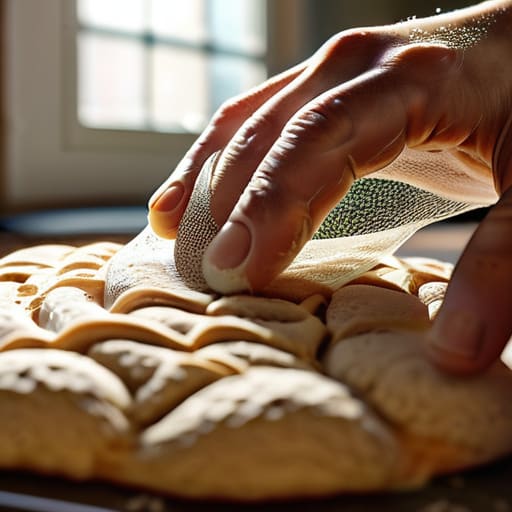
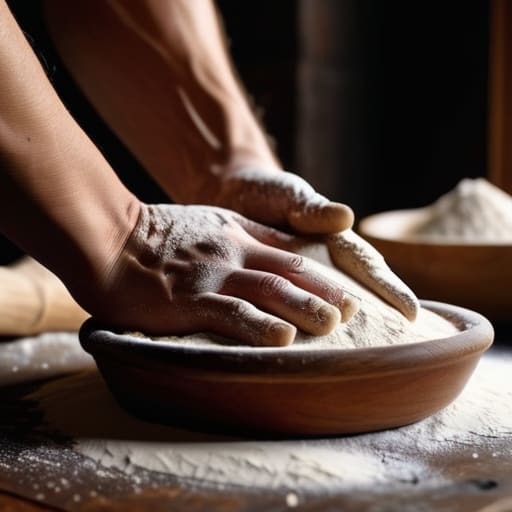
Now, let’s talk about the backbone of your loaf: the gluten. People treat flour like it’s just white dust, but it’s actually a living structural component. When you add water, those proteins—glutenin and gliadin—start a frantic little dance to form a network. If you’re looking for a perfect crumb, you have to understand gluten development in flour not as a mechanical process, but as a biological one. You aren’t just mixing; you are building a web that needs to be strong enough to hold the gases produced during fermentation, yet elastic enough to expand without snapping.
The mistake I see most often isn’t a lack of effort, but a lack of patience. If you manhandle the dough too early, or if your kitchen is a drafty cellar, that network won’t set properly. You might think you need more flour to fix a sticky mess, but usually, you just need more time for the proteins to relax. It’s the fundamental baking science and chemistry that dictates whether your bread stands tall or collapses into a sad, dense puddle. Don’t fight the dough; listen to how it resists your touch.
Mastering the Essential Pantry Staples for Bakers
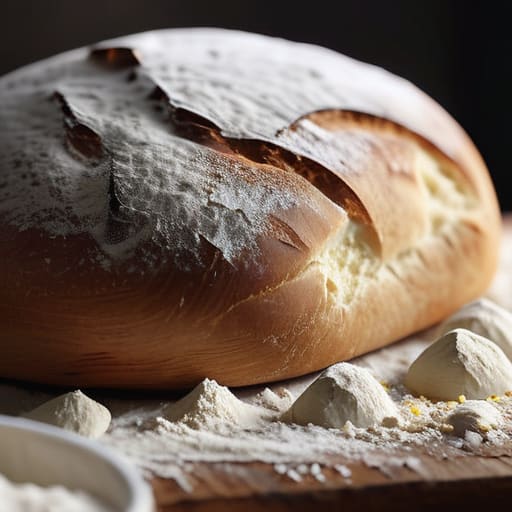
Now, let’s talk about what you actually need to keep in your cupboards if you want to stop being a recipe-follower and start being a baker. I’ve seen too many people rush to the supermarket for a specialty “superfood” flour when their pantry is lacking the basics. To me, the essential pantry staples for bakers aren’t about variety; they are about reliability. You need a high-quality bread flour with enough protein to hold a structure, a fine sea salt that doesn’t taste like a chemistry experiment, and a dependable fat.
When it comes to fats, you’ll find people arguing endlessly over dairy vs non-dairy fats, but here is the truth: it isn’t about morality, it’s about moisture and mouthfeel. Butter gives you that creamy, lactic richness that a margarine simply cannot mimic, especially when you’re looking for a specific crumb texture. And please, don’t get caught out by your sweeteners. Whether you are using granulated sugar or honey, remember that they do more than just add sweetness; they affect how much water is available for your yeast. It’s all part of the baking science and chemistry that happens behind the scenes while you’re just waiting for the dough to rise.
Five Truths to Keep Your Dough from Fighting You
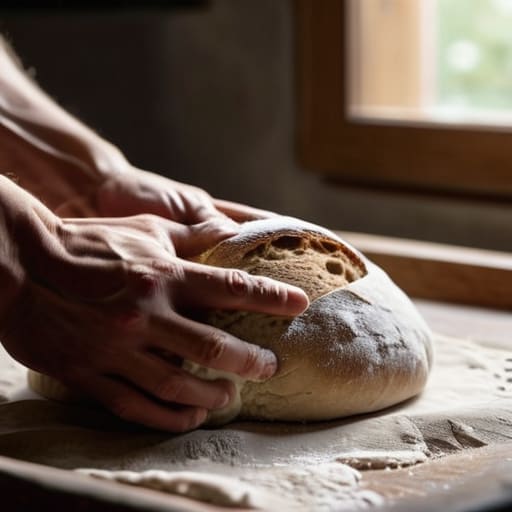
- Stop trusting your measuring cups; they are the biggest liars in the kitchen. A cup of flour can weigh anywhere from 120 to 160 grams depending on how much you’ve packed it down, and that’s enough to turn a supple dough into a heavy brick. Get a digital scale and start thinking in grams, or don’t bother starting the oven.
- Temperature isn’t just a setting on your stove; it’s the soul of your ingredients. If your kitchen is drafty and cold, your water needs to be warmer to compensate, and your fermentation will take longer than the book says. I don’t care what the timer says; I care what the dough feels like.
- Salt is not just for flavor; it is a regulator. It controls the yeast and tightens the gluten structure. If you’re skimping on salt because you think it’s “unhealthy,” don’t be surprised when your dough becomes a sticky, uncontrollable mess that rises too fast and collapses on itself.
- Treat your flour like a living thing, not a powder. It absorbs moisture differently depending on the humidity in your room. If you’re working with a 75% hydration dough and it feels like it’s fighting your hands, don’t just dump in more flour—wait ten minutes for the hydration to even out first.
- Learn the difference between “active” and “ready.” A sourdough starter or a yeast sponge isn’t a clock; it’s a biological process. If it hasn’t doubled or tripled, it isn’t ready, no matter how much you want that bread to be out of the oven for tea. Patience is the only thing you can’t buy at the grocer’s.
The Baker's Truths
Stop trusting your measuring cups; if you want to understand how a dough behaves, you must measure everything in grams and learn to think in hydration percentages.
Ingredients are only half the battle—the real work happens in how you manage the temperature of your water and the warmth of your kitchen to keep the yeast happy.
A failed loaf isn’t a bad recipe, it’s usually a sign of rushed timing or rough handling, so learn to feel the dough’s tension rather than just watching the clock.
The Baker's Quiet Truth
At the end of the day, everything we have discussed—from the protein content in your flour to the precise mineral quality of your salt—boils down to one simple truth: ingredients are not just items on a shopping list, they are the living foundation of your bake. If you respect the hydration levels, understand how your flour will behave when it meets water, and stop treating your pantry like a collection of static measurements, you have already done more than most. Remember, a recipe is merely a suggestion of direction, but knowing your ingredients is what allows you to navigate the actual journey. When you stop fighting the chemistry and start listening to what the flour and water are telling you, you stop being a follower of instructions and start becoming a true baker.
Don’t let a collapsed loaf or a dense crumb discourage you from reaching for the flour again tomorrow. Most of the time, the ingredient wasn’t the enemy; it was just a cold kitchen or a hand that moved a little too quickly. Baking is a conversation between you and the elements, and sometimes, you just need to listen a little longer. Put away the measuring cups, trust your scale, and give yourself permission to fail, because that is exactly where the real learning begins. After thirty-four years of four o’clock starts, I can tell you that the most important thing you can bring to the bench isn’t expensive equipment—it is patience.
Frequently Asked Questions
If I'm switching from a standard all-purpose flour to a high-protein bread flour, how much should I adjust my hydration percentage to keep the dough from feeling like a brick?
You’re moving from a 10-11% protein to something closer to 13% or 14%, and that extra protein is thirsty work. If you keep your hydration exactly the same, you’ll end up with a stiff, unmanageable mass that refuses to expand. I’d suggest bumping your hydration up by about 3% to 5%. Don’t look at the scale yet, though—feel it. The dough should feel tacky but not sticky, like a soft earlobe, not a piece of clay.
I know salt is essential for flavor and controlling fermentation, but what happens to my dough if I accidentally use a fine table salt instead of a coarse sea salt?
Don’t panic; your dough isn’t ruined, but you’ve changed the math. Fine table salt dissolves almost instantly, whereas coarse sea salt takes time to migrate. If you’re using a recipe that calls for adding salt mid-way through, the fine salt will hit the yeast harder and faster, potentially tightening your gluten or slowing fermentation more abruptly than expected. Just ensure you’re weighing it—not using a spoon—and keep a close eye on your bulk fermentation.
Since you mentioned that temperature is often the real culprit behind a failed loaf, how can I tell if my water is too warm or too cold just by the feel of the flour in my hands?
You don’t look at a thermometer for this; you feel the energy. When you mix your water into the flour, rub a small amount between your thumb and forefinger. If it feels like a lukewarm bath or gives you a tiny prickle of warmth, it’s too hot—you’re risking killing your yeast before it even wakes up. If it feels biting or pulls the heat right out of your skin, it’s too cold. You’re looking for “room temperature,” which should feel neutral, almost like it isn’t there at all.