I remember standing behind my counter at four in the morning, watching a customer take a bite of a sponge cake that was, quite frankly, a tragedy. It was soft, it was sweet, and it was entirely boring. It had all the structural integrity of a wet sponge, and because there wasn’t a single shard of praline or a dusting of coarse sugar to break the monotony, they finished it in three uninspired bites. People spend hundreds of pounds on gold leaf and fancy garnishes, thinking they’re elevating a dish, but they completely miss the point of how texture contrast makes a dessert actually memorable. If everything in the mouth is the same density, your palate just shuts down and goes to sleep.
I’m not here to teach you how to plate something for a photograph; I’m here to teach you how to build a bite that stays with you. We are going to talk about the architecture of flavor—the way a sharp, brittle crunch can make a silky custard feel even more luxurious, and why a bit of salt-heavy grit is sometimes better than a mountain of frosting. I’ll show you how to balance your ratios and resistances so that every mouthful feels intentional. We aren’t chasing aesthetics here; we are chasing the feeling of a dessert that actually deserves to be eaten.
Mastering Mouthfeel in Pastry Arts Through Intentional Layering
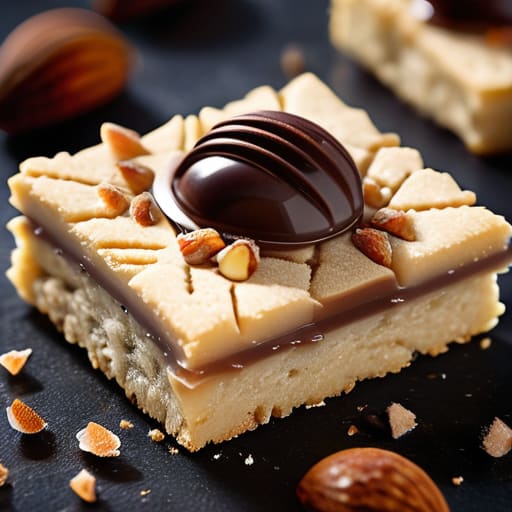
When I was running the shop, I’d watch customers take a bite of a mousse and see their faces go slack. It wasn’t because it was bad; it was because it was one-dimensional. A dessert that is nothing but soft is a chore to eat—it’s just a heavy, sweet weight sitting on the tongue. To truly master mouthfeel in pastry arts, you have to stop thinking about flavors in isolation and start thinking about the architecture of the bite. You need a structural foundation. If you have a silken ganache, you need something to fight back against it, whether that’s a shortbread base or a scattering of toasted nuts.
I always tell my apprentices that layering dessert components is about creating a conversation between different sensations. You want the cream to melt, but you want a shard of brittle or a crumb of sablé to interrupt that melt. It’s that sudden, sharp resistance that wakes the palate up. Without that interruption, your taste buds get bored, and a bored palate stops noticing the nuances of your vanilla or your dark chocolate. You aren’t just feeding someone sugar; you are building a sensory experience.
Why a Dessert Without Contrast Is Just Sugar and Air
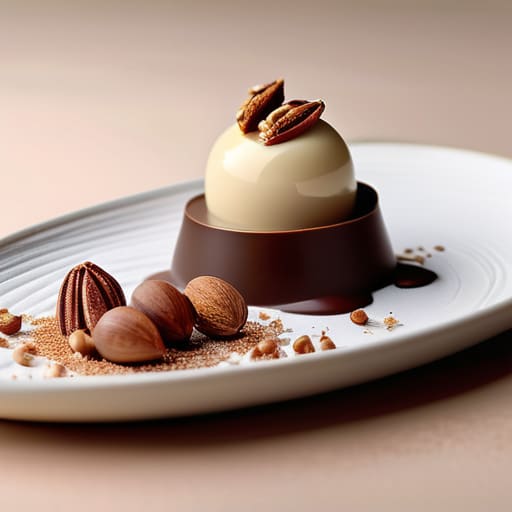
If you sit down to a plate of nothing but mousse, panna cotta, or a heavy custard, you aren’t really eating a dessert; you’re just swallowing flavored air. It’s pleasant for a second, but after three bites, your brain gets bored. Without a bit of resistance, the palate loses interest because there is nothing to engage with. That is the fundamental problem with modern sweets that lean too heavily into the “melt-in-your-mouth” trend. A dessert without a bit of grit or a snap is just a monotonous slide of sugar that leaves you feeling heavy rather than satisfied.
To truly understand the sensory experience of sweets, you have to realize that the tongue is looking for a way to play. You need that sharp, brittle edge—perhaps a toasted hazelnut crumble or a thin shard of caramel—to break up the cream. This flavor and texture synergy is what keeps you reaching for the next spoonful. When you focus on balancing soft and crispy elements, you aren’t just adding “crunch” for the sake of it; you are providing a structural anchor that prevents the entire experience from feeling like a bowl of mush.
The Baker’s Toolkit for Avoiding a Mushy Mess
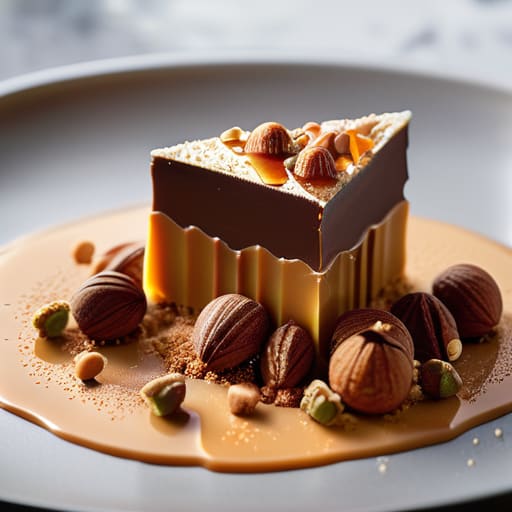
- Don’t fear the crunch. If you have a silky custard or a soft mousse, you must introduce a structural element—a toasted nut, a crumbled biscuit, or even a shard of salted caramel. Without that sharp, brittle edge to break up the cream, the whole thing just becomes a bowl of mush that your tongue stops noticing halfway through.
- Temperature is a texture of its own. I’ve seen many a beautiful tart ruined because it was served room temperature when it should have been cold. A warm, flaky pastry against a chilled, dense cream creates a sensation in the mouth that a single-temperature dessert simply cannot replicate.
- Watch your moisture migration. This is where most people fail. If you put a soft, wet component directly onto a crisp one and let them sit, the crispness will vanish into nothingness before you even reach the table. If you want that crunch to survive, you have to create a barrier—a thin layer of chocolate or a fat-based coating—to keep the water where it belongs.
- Think about the “resistance” of the bite. A perfect dessert should offer a little bit of a fight. You want the soft give of a sponge, the snap of a tempered chocolate, and perhaps the slight grit of a coarse sugar topping. If everything yields to the tooth at the exact same speed, the experience is boring.
- Use your hands, not just your eyes. When you are layering, don’t just look at whether the components are stacked neatly. Press into them. Feel if the base is becoming soggy or if the topping is too heavy for the delicate structure beneath. If it feels heavy and damp in your hands, it will feel heavy and damp on the palate.
The Baker’s Three Rules for a Finished Bite
Stop chasing sweetness and start chasing resistance; a dessert needs a structural element—a snap, a crunch, or a crumb—to give the palate something to actually work against.
Layering isn’t about piling things high for a photograph, it’s about managing the transition from the first contact of the tongue to the final swallow so nothing feels like a uniform mush.
Temperature is your silent partner in texture; a cream that’s too warm loses its body and a crust that’s too cold loses its shatter, so watch your environment as closely as your ingredients.
The Final Fold
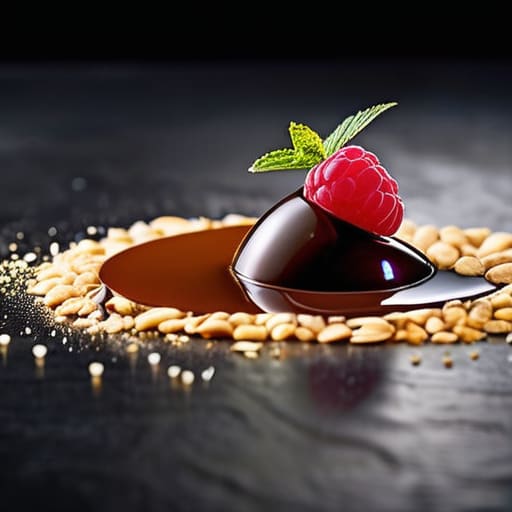
At the end of the day, building a dessert is less about following a list of ingredients and more about managing the sensory architecture of the plate. You cannot simply pile sweetness upon sweetness and expect a masterpiece; you have to think about how the crunch of a tuile fights against the velvet of a mousse, or how a sharp, acidic gel cuts through a heavy, buttery crumb. If your dessert feels one-note, it is likely because you forgot to introduce a tension between the soft and the structural. Remember that texture is the language the mouth speaks before the brain even realizes it is tasting sugar.
Don’t be afraid to let a recipe go a little sideways if it means finding a better bite. I’ve spent decades watching doughs rise and cakes fall, and I can tell you that the most memorable things I ever baked weren’t the ones that looked like the picture in a glossy magazine. They were the ones that had character—the ones with a bit of grit, a bit of snap, or a bit of unexpected resistance. Stop chasing perfection and start chasing the way a dessert makes you feel when it hits your tongue. Trust your hands, watch how the light hits the crust, and remember that the best things in life, much like a good loaf of bread, require a little bit of patience and a lot of soul.
Frequently Asked Questions
If I’m working with a very soft, high-hydration mousse, how much crunch do I actually need to add before it starts feeling like I'm eating gravel?
You aren’t looking for gravel; you’re looking for a counterpoint. If your mousse is sitting at 80% hydration—airy, cloud-like, almost ephemeral—you don’t need a heavy biscuit base that fights the spoon. You need something delicate, like a toasted hazelnut praline or a fine tuile. Aim for a texture that shatters rather than crunches. It should be a momentary interruption to the silk, not a chore for your teeth to work through.
How do I stop my crunchy elements, like toasted nuts or tuiles, from turning into soggy sponges when they sit inside a moist cream?
It’s the moisture migration, plain and simple. If you put a tuile directly against a mousse, that moisture has nowhere to go but into your crunch. You have to build a barrier. I always use a thin layer of cocoa butter or a microscopic smear of tempered chocolate on the underside of my crunchy bits; it acts like a raincoat. If you can’t do that, keep the elements separate until the very last second before serving.
When am I pushing the texture too far—at what point does a "contrast" just become a distraction from the actual flavor of the pastry?
You know you’ve gone too far when you’re working harder to chew than to taste. If you find yourself fighting a shard of brittle sugar or a chunk of nut just to get to the cream, you’ve lost the plot. Contrast should be a spotlight, not a roadblock. If the texture makes you forget whether you’re eating dark chocolate or cheap cocoa because your jaw is too busy, it’s no longer a component—it’s a distraction.