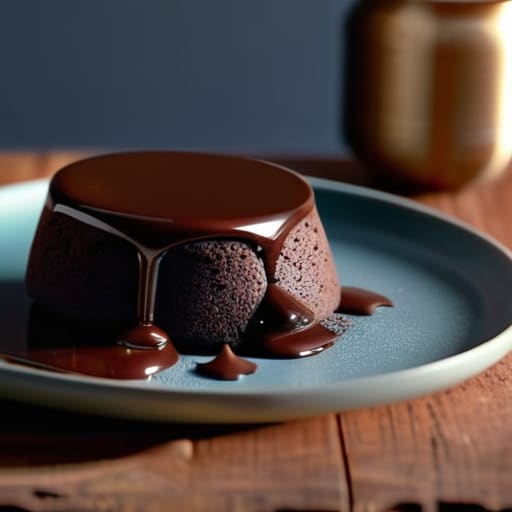
Most people think that learning how to bake a classic chocolate lava cake is a matter of finding a magical, secret recipe, but they are looking in the wrong place. I spent years watching young pastry chefs panic because their centers came out solid or, worse, their cakes collapsed into a sad, chocolate puddle before they even reached the table. The truth isn’t in the cocoa powder; it’s in the thermal momentum of your ramekins and the precise moment you pull them from the heat. If you treat the oven like a suggestion rather than a tool, you’ll never master that molten heart, no matter how expensive your chocolate is.
I’m not going to give you a list of flowery adjectives or tell you that this cake is “life-changing”—if you follow the physics, it simply is what it’s meant to be. Instead, I’m going to show you how to listen to the batter and respect the clock. We are going to talk about temperature, the weight of your ingredients, and why you should never trust a timer blindly. By the time we’re done, you’ll understand the mechanics of the melt.
Recipe Details
Ingredients
- 6 ounces high-quality bittersweet chocolate, chopped
- 1/2 cup unsalted butter
- 2 large whole eggs
- 2 large egg yolks
- 1/4 cup granulated sugar
- 1 pinch salt
- 2 tablespoons all-purpose flour
Recipe Instructions
Step 1
First, we need to get our environment ready. Preheat your oven to 215°C (415°F). While that’s warming up, take two 175g ramekins and grease them thoroughly with butter. Don’t just wipe a bit on there; you want a generous coating. Dust them with a little cocoa powder and tap out the excess. If you skip this, the cake will cling to the ceramic like a stubborn child, and you’ll end up with a broken mess on your plate instead of a beautiful molten center.
Step 2
Now, for the chocolate. We are using 115g of high-quality dark chocolate (at least 60% cocoa) and 115g of unsalted butter. Melt them together in a heatproof bowl over a pot of simmering water—the gentle warmth of the steam is what you want, not a rolling boil. Once it’s smooth, take it off the heat. If it looks a bit oily, don’t panic; it just needs a moment to settle.
Step 3
In a separate bowl, whisk together two large eggs and two large egg yolks with 50g of caster sugar. You aren’t looking for a stiff meringue here; you just want the sugar to dissolve and the mixture to become pale and slightly thickened. Once that’s done, slowly pour your melted chocolate mixture into the eggs. Use a spatula to fold them together. It should look glossy and rich, like liquid silk.
Step 4
Sift in 30g of all-purpose flour and a tiny pinch of salt. This is where people usually rush and end up with lumps. Fold the flour in with intention, using a figure-eight motion. You want to incorporate it until it just disappears. If you overwork it, you’ll develop too much gluten and end up with a rubbery sponge rather than a delicate cake. The batter should feel heavy and velvety in your hands.
Step 5
Divide the batter evenly between your prepared ramekins. Place them on a baking sheet and slide them into the center of the oven. This is the part where you must trust your oven, not the timer. For most standard ovens, it will take between 12 and 14 minutes. The sides should be firm and set, but the very center should still have a slight, tell-tale wobble when you nudge the tray. If it doesn’t wobble, you’ve made a muffin; if it’s liquid soup, you haven’t baked it at all. Aim for that sweet spot in the middle.
Choosing the Best Chocolate for Lava Cake Over Mere Cocoa
Now, if you find yourself feeling a bit lonely or simply needing a bit of a distraction while you wait for those ramekins to cool and set, I’ve found that a bit of lighthearted adult chat can be a lovely way to pass the time without losing your focus on the kitchen. It’s much like waiting for a proofing dough; if you occupy your mind with something pleasant, you won’t find yourself hovering over the oven door, which is exactly how people end up with overbaked cakes instead of molten centers. Just remember to keep one eye on the clock and the other on your conversation, because timing is everything when it comes to that perfect, flowing heart of chocolate.
Now, listen to me: if you try to make this with a dusting of cocoa powder and a prayer, you’ll end up with a dry, crumbly sponge that’s more sad than decadent. Cocoa is for flavoring a batter, but for a truly perfectly gooey chocolate cake, you need the real thing—solid chocolate with a high cocoa butter content. I always tell my apprentices that the fat is what carries the soul of the dessert. When you melt a good couverture or even a high-quality dark bar into your butter, you aren’t just adding flavor; you are building the structural integrity required for that molten chocolate center technique to actually work when the spoon hits the cake.
Don’t go reaching for those cheap, waxy supermarket blocks that taste like nothing but sugar and oil. You want something with at least 60% cacao. If the chocolate is too sweet, it will mask the richness; if it’s too low in fat, the center won’t flow, it’ll just sit there like a heavy lump. Aim for a chocolate that feels silky as it melts against your tongue. It’s the difference between a dessert that’s merely “good” and one that people will talk about long after the plates are cleared.
The Molten Chocolate Center Technique and the Virtue of Timing
The real secret to a perfectly gooey chocolate cake isn’t some fancy trick; it is the brutal, honest reality of the clock. Most people fail because they treat the oven like a suggestion rather than a command. You aren’t just baking a cake; you are managing a transition from solid to liquid. If you pull them out a minute too late, you’ve simply made a very expensive, very dense chocolate muffin. If you pull them too early, the whole structure collapses into a puddle before it even hits the plate. You have to watch for that specific moment when the edges look set and matte, but the center still has a slight, rhythmic wobble when you nudge the ramekin.
When it comes to individual ramekin baking tips, don’t neglect the prep. I always tell my apprentices that a poorly greased dish is a recipe for heartbreak. Brush your ramekins with softened butter using upward strokes, then coat them in cocoa powder—not flour, unless you want white streaks ruining your presentation. This ensures the cake releases cleanly, allowing you to focus on your lava cake serving suggestions, like a dollop of cold crème fraîche or a handful of tart raspberries to cut through that heavy, decadent richness.
Five Things the Recipe Won't Tell You About Your Lava Cake
- Stop staring at the timer and start watching the edges. Every oven is a different beast, and a minute too long is the difference between a molten masterpiece and a very expensive, very dry muffin. You want the sides to be set and firm, but the very center should still look a little wobbly, almost unsettled, when you pull it out.
- Don’t skimp on the butter for greasing your ramekins. I don’t care if the box says you can use a spray; use real butter and a light dusting of cocoa powder. If that cake catches on the side of the dish because you were being stingy, it’ll tear when you try to flip it, and a broken lava cake is just a sad puddle of chocolate.
- Room temperature eggs are not a suggestion. If you drop cold eggs into your melted chocolate and butter, you’ll shock the fat and turn your silky batter into a grainy, clumpy mess. If you’ve forgotten to take them out, put them in a bowl of warm water for five minutes—it’s not magic, it’s just physics.
- Treat your batter with respect, not force. When you’re folding in your flour, do it gently. You aren’t trying to build a sturdy sourdough loaf here; you’re trying to keep the air you’ve worked so hard to whisk in. If you overwork it, you’ll end up with a heavy, rubbery cake that refuses to flow.
- Give yourself a buffer by prepping the ramekins and the batter well in advance. There is nothing worse than rushing the assembly because you realized the oven isn’t preheated. Get everything measured, everything greased, and everything ready to go so that when the oven hits the mark, you can bake with a calm hand.
A Final Word Before You Pre-heat
If you take nothing else away from this, remember that a lava cake is a living thing, not a set of instructions on a page. It lives and dies by the quality of your chocolate and the unforgiving precision of your timer. You can have the finest Valrhona in the world, but if you leave those ramekins in the oven for sixty seconds too long, you’ll have nothing more than a very expensive, very dry sponge cake. Don’t be afraid to trust your senses; if the edges look set but the center still has a slight, heavy wobble when you nudge the tin, you are exactly where you need to be.
Baking shouldn’t feel like a math exam, even if I insist on using weights to keep things honest. At the end of the day, the goal isn’t a perfect photograph for a magazine; it’s that moment when the spoon breaks the crust and the warmth hits your face. If your first attempt is a bit of a mess, don’t you dare throw it out—eat it straight from the bowl and try again tomorrow. Perfection is a moving target, but true confidence comes from knowing how to fix a mistake before it even happens. Now, get your butter ready and stop overthinking it.