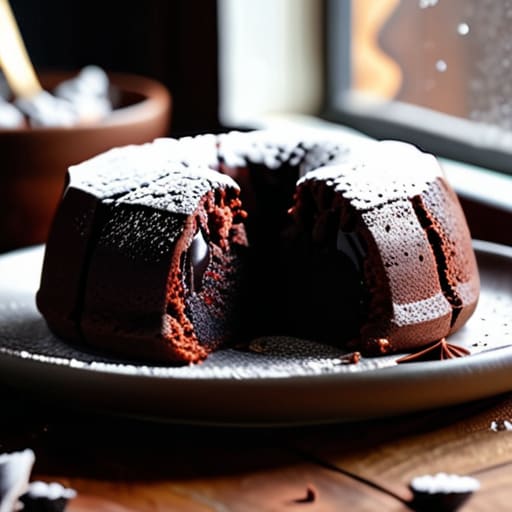
Forget the Spectacle and Focus on the Temperature: How to Bake a Classic Chocolate Lava Cake That Relies on Timing Rather Than Trickery.
Most people think that learning how to bake a classic chocolate lava cake is a matter of following a precise timer, but they are looking at the clock instead of the cake. I spent years watching young pastry students panic because their centers came out solid or, worse, they collapsed into a muddy puddle before the plate even hit the table. The truth is, a lava cake isn’t a math problem; it is a lesson in thermal momentum. If you treat the oven like a suggestion rather than a tool, or if you rush the chocolate by letting it get too hot, you aren’t making a dessert—you’re just making expensive chocolate mush. I’m not going to give you a recipe that relies on “one cup of sugar” or a photograph of a perfect, untouched ramekin. Instead, I am going to teach you how to feel the structure of the batter…
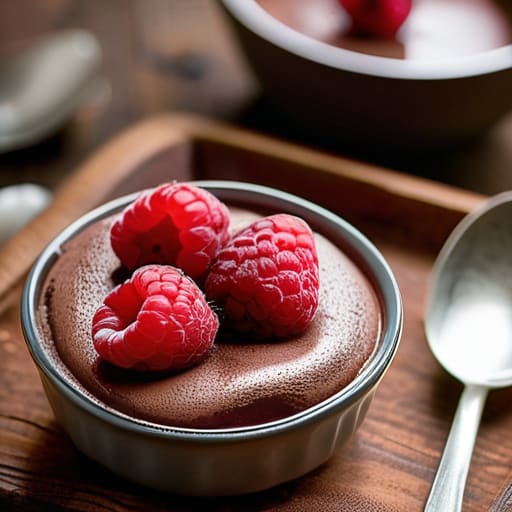
Egg Free Puddings That Still Set
I’ve spent more than half my life watching people panic when a recipe calls for something they can’t use, usually resulting in a kitchen full of expensive, expensive-looking sludge that tastes like nothing. Most of the internet will tell you that learning how to make egg free desserts requires a chemistry degree or a cupboard full of “miracle” powders that cost more than the flour itself. They’ll point you toward complicated stabilizers and tell you that without an egg, your sponge is doomed to be a brick. Let me tell you something: most of those “solutions” are just expensive distractions from the actual mechanics of moisture and structure. I’m not here to sell you a magic dust or a complicated substitute that ruins the soul of a cake. Instead, I’m going to show you how to understand the purpose an egg serves—whether it’s providing lift, fat, or binding—so you can…
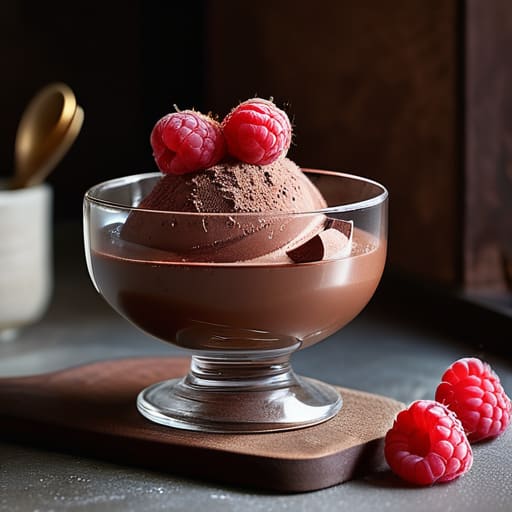
Dairy Free Without Compromising Texture
I’ve spent forty years watching people walk into my bakery, and if there is one thing that makes my blood boil, it’s the idea that you need a chemistry degree and a grocery budget from a king to bake something delicious. I see these “specialty” aisles overflowing with expensive, processed substitutes that taste more like cardboard than actual food, as if you can just swap a stick of butter for a jar of flavored oil and call it a day. If you are searching for how to make dairy free desserts that don’t leave a gritty, artificial aftertaste, you need to stop looking for a magic replacement and start looking at how fats actually behave when they hit the heat. I am not here to sell you on some miracle powder or a trendy, overpriced nut-milk that breaks the moment it touches a warm pan. Instead, I’m going to show…
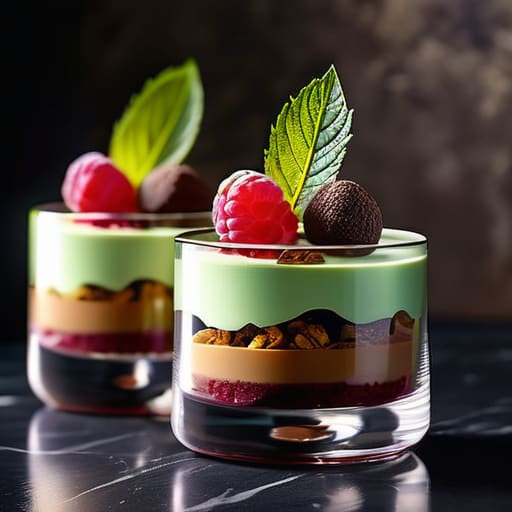
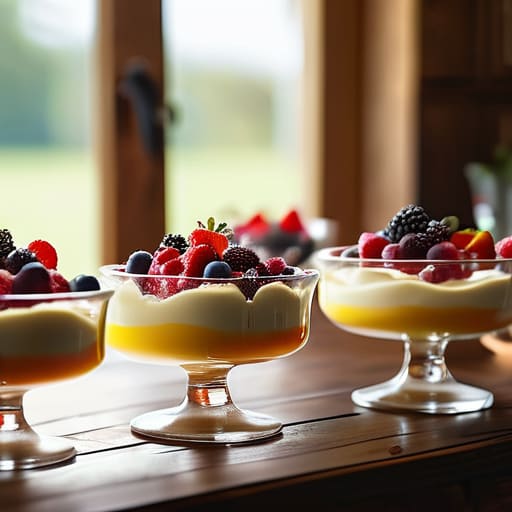
Serving in Glasses Solves Half the Problems
I spent thirty-four years watching people walk into my shop, eyes wide at the glossy, hyper-decorated miniature tarts in the window, only to come back a week later complaining that their own attempts at home tasted like cardboard. They’d spent a fortune on gold leaf and tiny, useless tweezers, thinking that how to make individual desserts was a matter of expensive hardware and a steady hand for garnishing. They were wrong. Most people treat a single-serving pastry like a piece of jewelry when they should be treating it like a living thing; if you focus entirely on the decoration and ignore the thermal shock of a cold ramekin or the way a batter loses its air when you’re too heavy-handed, all that pretty plating won’t save you. I’m not here to teach you how to build a tiny edible monument, though they look lovely on a sideboard. Instead, I want…
Puddings That Scale to Twenty
I remember the frantic, flour-dusted chaos of my final Saturday before retirement, trying to figure out how to make a dessert for a crowd of fifty villagers when my oven decided to run ten degrees hot and my hands were too tired to whisk a single meringue. People think scaling up a recipe is just a matter of multiplying the numbers on a page, but they are wrong; it is a matter of managing heat, timing, and your own sanity. You can’t just triple a delicate sponge and expect the middle to behave the same way it does in a small tin, no matter how many fancy gadgets you buy to help you along. I am not here to give you a list of complicated, multi-layered showstoppers that will leave you weeping in the kitchen while your guests are still eating their mains. Instead, I am going to teach you…
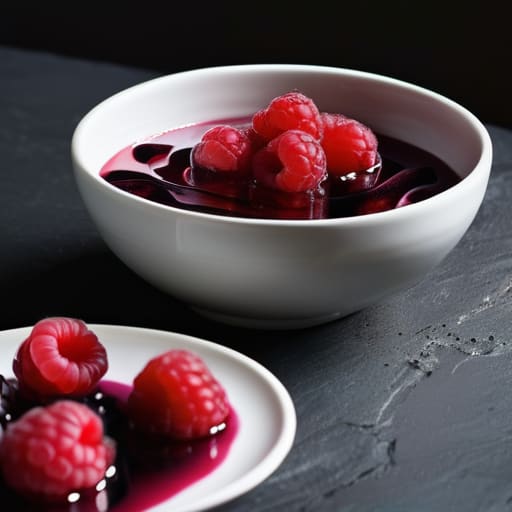
Compote and Coulis: Same Fruit, Two Jobs
I spent thirty years watching pastry chefs treat fruit like it was some temperamental science experiment, weighing out stabilizers and pectin as if they were trying to cure concrete rather than cook a berry. They’ll give you a list of chemicals and a timer that ticks away while the fruit turns into a dull, grey sludge, but they never actually teach you how to make compote and coulis that tastes like the orchard it came from. If you follow a recipe that treats fruit like a math problem instead of a living thing, you’ll end up with something that looks pretty in a photograph but tastes like nothing at all. I’m not going to give you a list of additives or tell you to trust a stopwatch. Instead, I want to teach you to watch the steam, smell the sugar caramelizing, and feel the way a berry yields when it’s…
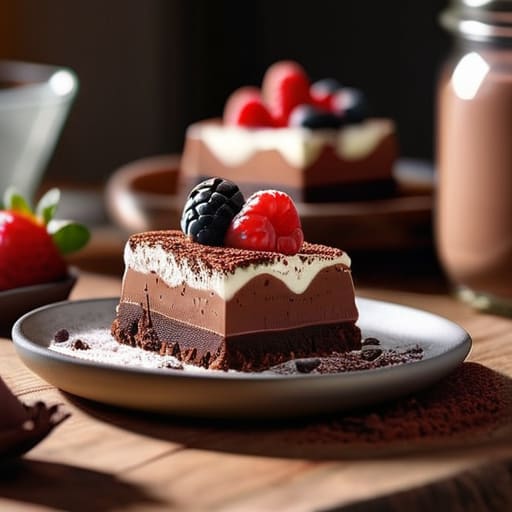
7 Irresistible Easy No Bake Desserts for Beginners That Require Zero Oven Time
I’ve spent most of my life standing before a wood-fired oven, watching the heat transform flour and water into something golden and crusty. People often assume that if you aren’t wrestling with yeast or monitoring a temperamental oven temperature, you aren’t truly “cooking.” But after thirty-four years of four o’clock starts, I’ve learned that sometimes the most satisfying things in life require nothing more than a steady hand and a bit of patience. If you are feeling intimidated by the technicalities of pastry or simply don’t want to fight with a thermometer on a humid afternoon, finding easy no bake desserts for beginners is the best way to reclaim your joy in the kitchen. It isn’t about cutting corners; it’s about respecting the ingredients you have in front of you. In the following list, I am going to walk you through seven treats that rely on assembly and timing rather…
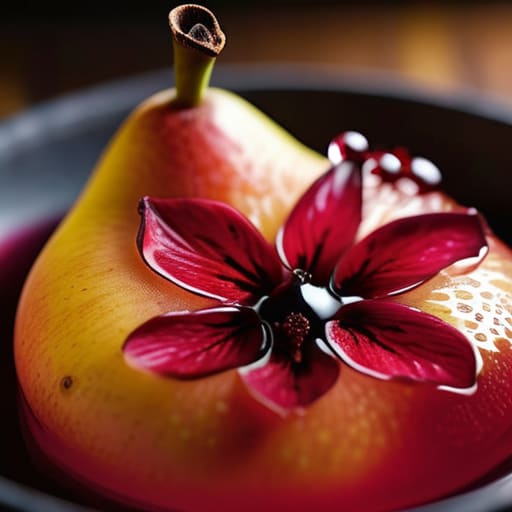
Poaching Fruit Into Something Better
I spent thirty-four years watching people treat dessert like a chemistry experiment or, worse, a way to show off with expensive, imported spices they don’t actually need. Most cookbooks will try to tell you that learning how to poach fruit requires a specialized syrup of rare saffron or heavy cream to be successful, but that’s just nonsense designed to sell more pantry items. If you’ve ever ended up with a bowl of mushy, grey pears that taste more like the pot they sat in than the fruit itself, you haven’t failed the recipe—you’ve simply rushed the heat. I’m not here to give you a list of fancy garnishes that look lovely in a photograph but taste like nothing. Instead, I’m going to teach you how to listen to the fruit as it softens and how to respect the temperature of your liquid so you don’t boil the life right out…
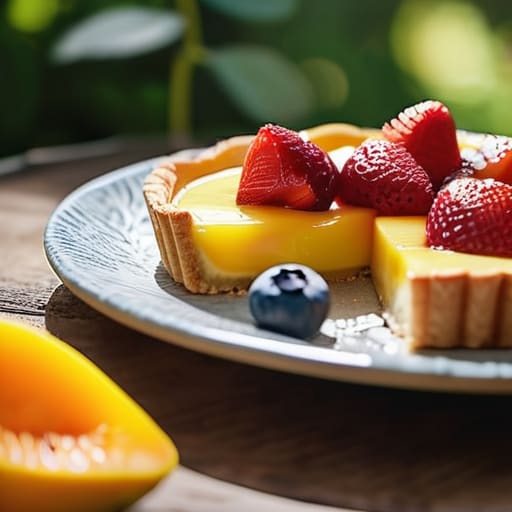
The 7 Best Seasonal Fruit Desserts for Summer to Beat the Heat
Most people approach summer baking like they’re trying to outrun the heat, throwing heaps of sugar at fruit just to make it taste like something worth eating. They treat a peach like a mere decoration rather than the star of the show, and that is precisely why their desserts end up tasting like nothing more than expensive jam. If you want to find the best seasonal fruit desserts for summer, you have to stop fighting the ingredients and start listening to them. Summer fruit is temperamental; it’s heavy with juice, prone to bruising, and demands that you adjust your sugar levels to match its natural sweetness. In the following seven entries, I’m going to show you how to work with the season rather than against it. I won’t be giving you those fussy, over-complicated recipes that require a degree in chemistry and a way too much butter. Instead, I’ll be…
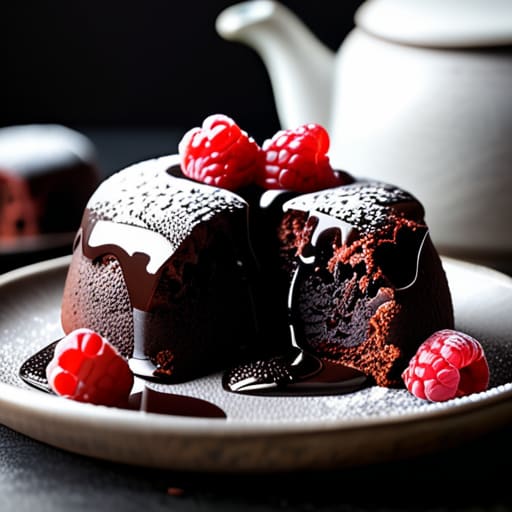
Forget the Gimmicks and the Molten Illusions: How to Bake a Classic Chocolate Lava Cake by Feeling the Heat and Respecting the Chocolate.
Most people think that learning how to bake a classic chocolate lava cake is a matter of finding a magical, secret recipe, but they are looking in the wrong place. I spent years watching young pastry chefs panic because their centers came out solid or, worse, their cakes collapsed into a sad, chocolate puddle before they even reached the table. The truth isn’t in the cocoa powder; it’s in the thermal momentum of your ramekins and the precise moment you pull them from the heat. If you treat the oven like a suggestion rather than a tool, you’ll never master that molten heart, no matter how expensive your chocolate is. I’m not going to give you a list of flowery adjectives or tell you that this cake is “life-changing”—if you follow the physics, it simply is what it’s meant to be. Instead, I’m going to show you how to listen…