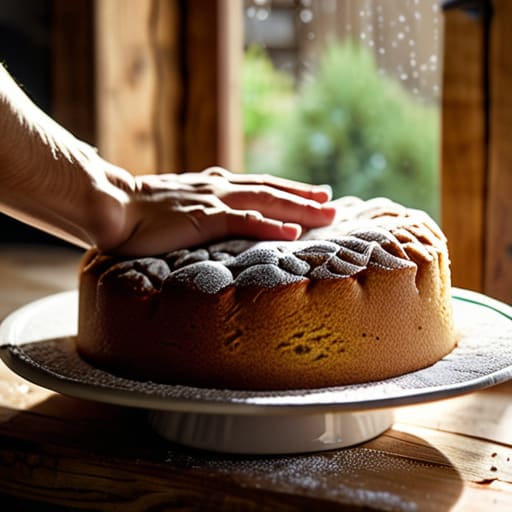
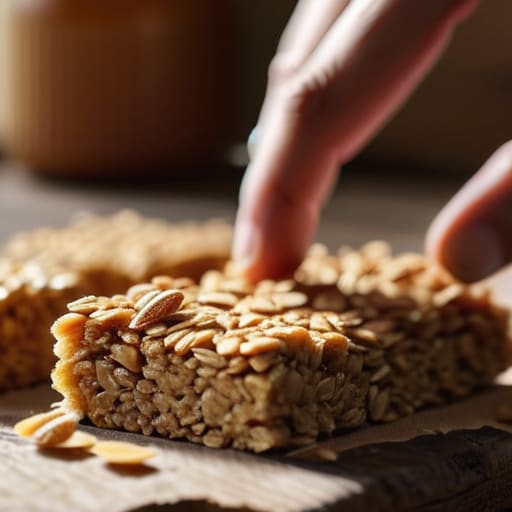
I spent thirty-four years watching people walk into my shop, eyes wide at the glossy, hyper-decorated miniature tarts in the window, only to come back a week later complaining that their own attempts at home tasted like cardboard. They’d spent a fortune on gold leaf and tiny, useless tweezers, thinking that how to make individual desserts was a matter of expensive hardware and a steady hand for garnishing. They were wrong. Most people treat a single-serving pastry like a piece of jewelry when they should be treating it like a living thing; if you focus entirely on the decoration and ignore the thermal shock of a cold ramekin or the way a batter loses its air when you’re too heavy-handed, all that pretty plating won’t save you.
I’m not here to teach you how to build a tiny edible monument, though they look lovely on a sideboard. Instead, I want to show you how to master the chemistry of the single portion, from the exact hydration of a small sponge to the precise moment a custard sets. I will give you the weights, the temperatures, and the sensory cues you actually need to know. We are going to focus on the soul of the dessert—the texture and the timing—because once you understand the mechanics, the beauty will follow naturally.
Forget the Grand Platter the Soul of Single Serving Dessert Ideas
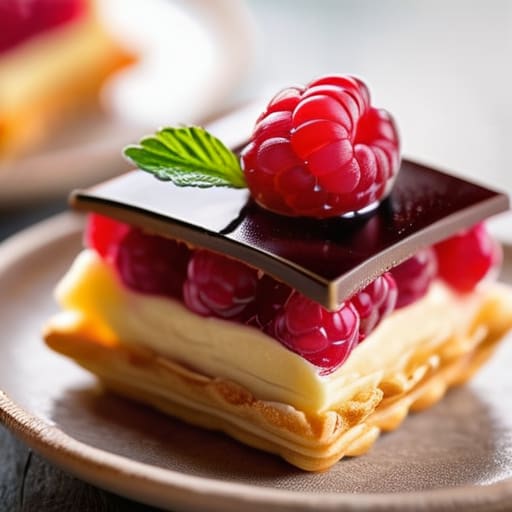
We tend to think of a dessert as a grand, communal event—a massive cake or a heavy tart that sits in the center of the table like a monument. But there is a different kind of magic in small batch pastry making, where the focus shifts from the sheer volume of sugar to the precision of the single bite. When you move away from the big platter, you stop worrying about how to slice a perfect wedge and start thinking about the architecture of the individual portion. It is a more intimate way to eat, and frankly, it’s much more forgiving when your oven decides to be temperamental.
If you are looking for something more refined, I often find myself leaning toward dessert verrine recipes. There is something incredibly satisfying about layering textures—a crisp biscuit base, a silky custard, perhaps a bright fruit gel—within a small glass. It forces you to respect the components. You aren’t hiding a dry sponge under a mountain of frosting; you are presenting each element clearly. Whether you are prepping for a quiet tea or looking for party dessert catering ideas, remember that the goal isn’t to make something tiny and precious, but to make something complete.
The Weight of Perfection in Delicate Dessert Verrine Recipes
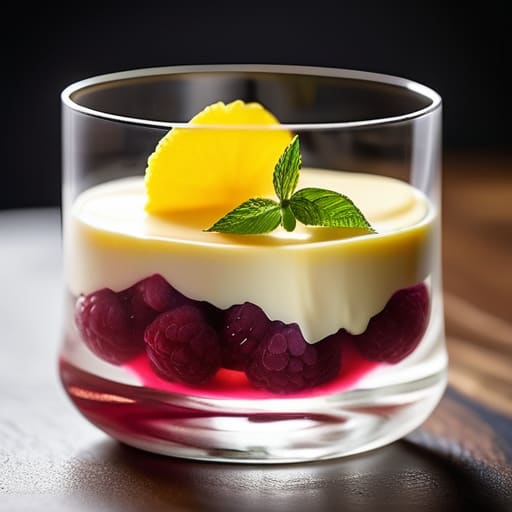
When you move from a large cake to a verrine, you aren’t just shrinking the scale; you are increasing the stakes. In a big tray, a slightly uneven mousse or a weeping custard can be hidden by a generous smear of cream. In a glass, there is nowhere to hide. You have to respect the physics of the vessel. I always tell my apprentices that dessert verrine recipes are less about decoration and more about the integrity of your layers. If your fruit compote is too watery because you didn’t let it reduce properly, it will bleed into your cream, turning a crisp, beautiful glass into a muddy, unappealing mess.
Precision is your only friend here. When you are working with small batch pastry making, every gram of fat and every degree of temperature matters more than it does in a bulk bake. If your panna cotta is even 1% shy on the gelatin, it won’t hold its shape against the weight of the toppings; if it’s too heavy, it feels like eating rubber. You have to feel the set in your bones. Don’t just look at the clock; look at the way the light hits the edges of the glass to see if your layers are truly stable.
Five things to remember when you’re working small
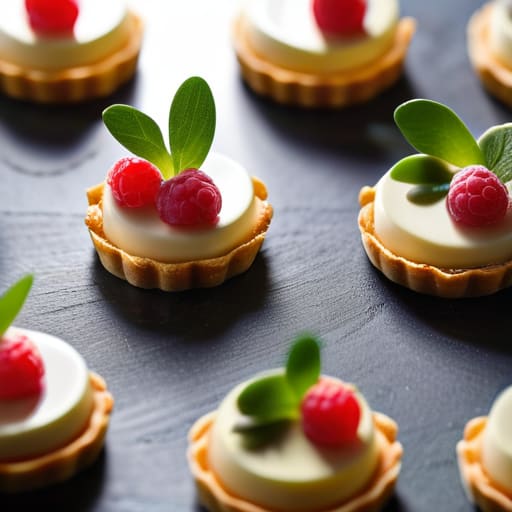
- Stop reaching for the measuring cups. When you are working with small volumes—say, a single-serving mousse or a tiny custard—a “half cup” of cream is a lie that will throw your fat-to-liquid ratio completely off. Use a scale. If you’re making a batch of 10 individual portions, I want to see your ingredients in grams, not splashes and scoops. Precision is easier when the scale is right in front of you.
- Watch your temperature, not your clock. If you are setting a panna cotta in individual glass jars, they will set much faster than a large mold would. If you leave them in the fridge for the full four hours the recipe calls for, you might find they’ve become rubbery. Taste a tiny bit halfway through; if it holds its shape, it’s done. The fridge is an oven in reverse, and it works on its own schedule.
- The container is part of the recipe. A heavy ceramic ramekin holds heat differently than a thin glass verrine. If you are pouring a warm chocolate ganache into a cold glass, you might shock the mixture and cause it to grain. Warm your vessels slightly if you’re working with delicate emulsions, or let the mixture sit at room temperature for ten minutes before it ever sees the refrigerator.
- Don’t fight the edges. When you’re filling small vessels, the temptation is to pour quickly to avoid a mess. But if you leave a ring of unmixed cream or custard around the rim of a ramekin, that layer will dry out and turn into a skin while the center is still setting. Use a small offset spatula or even a clean spoon to ensure the mixture is level and touching the sides from top to bottom.
- Patience with the “set” is everything. I see people try to unmold a miniature cheesecake or a set jelly before the structure has actually stabilized. They get impatient, they pull too early, and they end up with a beautiful puddle on a plate. If the dessert feels even slightly “wobbly” in a way that suggests liquid rather than gel, walk away. Go have a cup of tea. It will be ready when the molecules decide it is.
Lessons from the Bench: What the Small Scale Demands
Precision is non-negotiable when you’re working with small volumes; a single gram of sugar or a misplaced teaspoon of cocoa can swing the balance of a single ramekin entirely, so put the measuring cups away and use your scale.
Temperature is your silent partner in every small vessel, whether it’s the chill required for a set mousse or the warmth needed to melt a ganache, because in a single portion, there is no mass to buffer a sudden draft or a hot stove.
Respect the setting time above all else; a small dessert doesn’t have the luxury of “faking it” through a rushed chill, so if the recipe says four hours, give it four hours, or you’ll find yourself serving a puddle instead of a masterpiece.
The Final Fold
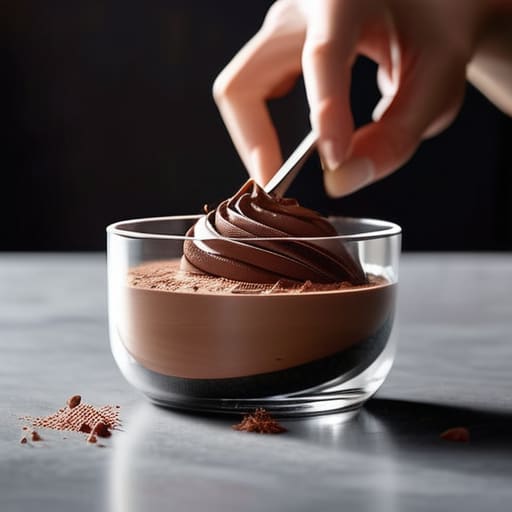
At the end of the day, whether you are layering a delicate mousse in a glass verrine or portioning out a dense, dark chocolate ganache, the principles remain the same. You must respect the ratios, keep your temperatures steady, and—most importantly—trust your hands more than the timer on your oven. We have talked about the precision of weights and the necessity of choosing the right vessel, but none of those technicalities matter if you try to rush the setting time or force a texture that hasn’t had the chance to develop. If your cream breaks or your custard won’t set, don’t go looking for a new recipe; instead, look at the room temperature or check if you were perhaps a bit too heavy-handed with the whisk. Precision is your foundation, but your intuition is what actually finishes the dish.
Don’t let the idea of “individual portions” intimidate you into thinking you need to be a chemist in a white lab coat. Making something small and single-serving is simply an exercise in concentrated intention. It is an invitation to slow down and appreciate the way a single spoonful of something perfectly balanced can tell a whole story. So, clear your counter, weigh out your ingredients, and remember that patience is your most reliable tool. Once you stop fighting the ingredients and start listening to what the batter or the cream is telling you, you’ll find that the most beautiful desserts aren’t the ones that look like a photograph, but the ones that feel exactly as they should.
Frequently Asked Questions
If I'm scaling down a large recipe for individual portions, how do I ensure the bake time doesn't throw my temperature settings completely off?
Scaling down isn’t just about dividing the flour; it’s about managing the heat. A single ramekin has far more surface area exposed to the air than a heavy cake tin, meaning it loses moisture faster and absorbs heat more aggressively. Don’t trust your original timer. Watch the dough or batter, not the clock. If it’s a small sponge, drop your temperature by maybe five degrees and start checking early. You’re looking for the set, not the minute.
My mousses always seem to weep or separate in the glass; am I rushing the setting time or is my fat-to-liquid ratio off?
It’s rarely the ratio, darling; it’s usually the temperature of your fold. If your mousse is weeping, you’ve likely introduced heat too quickly when incorporating your base into the aerated cream, causing the fat to lose its grip. Or, you’re rushing the chill. A mousse needs time to find its structure in the cold. Don’t just shove it in the fridge and walk away; give it the hours it asks for.
When working with delicate verrines, how do I know if my layers are actually stable or if they're just going to bleed into one another by the time they hit the table?
It’s the fear of a muddy mess, isn’t it? Listen, if your layers are bleeding, you’ve likely rushed the set. I don’t care what the timer says; I care about the touch. If you tilt the glass and the bottom layer moves like a heavy liquid rather than a soft gel, it’s not ready. You need that structural integrity. Let them chill until they feel firm, almost resistant, before you dare add the next weight of cream or fruit.