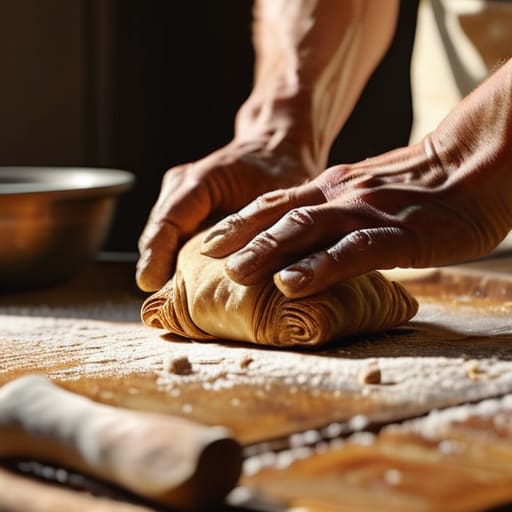
Stop Chasing the Perfect Photograph and Start Honoring the Lineage: Why Understanding the History of Traditional French Pastries Is the Only Way to Master the Soul of the Dough.
I remember the smell of my first real lesson: not the delicate scent of vanilla, but the heavy, humid warmth of a kitchen at 4:00 AM where the flour hung in the air like a fog. People love to romanticize the history of traditional french pastries, painting them as these untouchable, aristocratic masterpieces born from gilded salons and lace tablecloths. But that’s a lie that keeps too many good bakers away from the oven. The truth isn’t found in a textbook or a museum; it’s written in the calloused hands of the people who spent centuries perfecting the ratio of fat to flour just to keep a village fed and happy. I’m not here to give you a lecture on royal lineage or fancy culinary terminology that sounds better than it tastes. What I want to do is strip away the pretension and show you how these techniques actually evolved…
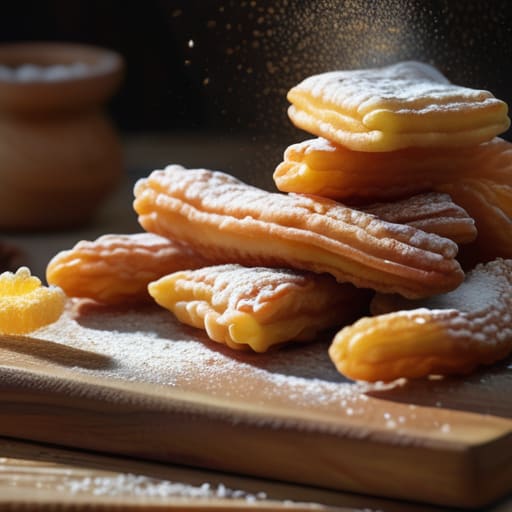
Fried Dough While It Is Still Hot
You can spend all afternoon scrolling through glossy recipe sites, but if you think a perfect, golden ridge depends on a fancy star-shaped nozzle or a specific brand of flour, you’ve been misled. Most people struggle with how to make churros and fried dough because they are chasing a photograph rather than listening to the oil. I remember a young apprentice in my shop who nearly cried because her dough turned out heavy and greasy; she thought the recipe was broken, but the truth was far simpler: her oil wasn’t humming with the right heat, and she was rushing the cooling process. I’m not here to give you a list of expensive gadgets or a way to make something look pretty for a screen. I am going to teach you the actual physics of the fry—the exact temperatures, the hydration levels, and the way the dough should feel against your…
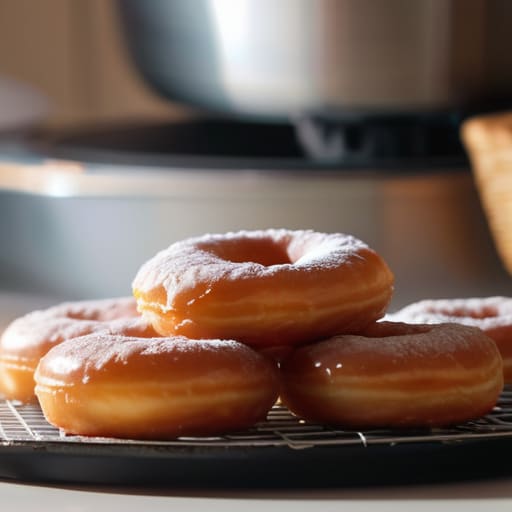
Deep Frying Sweets Without a Fire
I remember the first time I tried to make a simple honey fritter in my own kitchen, long before I had a commercial range to lean on. I followed a recipe to the letter, but instead of a golden, airy cloud, I ended up with a heavy, oil-soaked sponge that felt like swallowing a wet rag. It wasn’t the recipe’s fault; it was because I didn’t understand how deep frying works for sweets on a fundamental level. I thought the oil was just a bath, but in reality, it’s a violent, beautiful exchange of heat and moisture that requires a steady hand and an even steadier thermometer. I’m not here to sell you a fancy new gadget or a list of “secret” ingredients that cost more than your flour. What I’m going to give you is the truth about thermal momentum and the way sugar behaves when it hits hot…
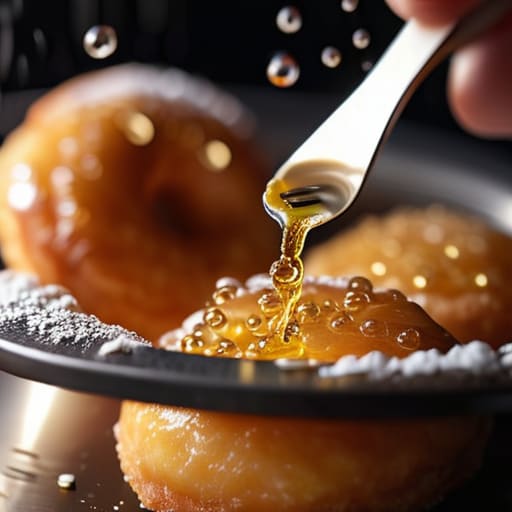
Frying Temperature Decides Greasy or Not
If you think you need a fancy commercial fryer or a dozen expensive gadgets to master how to make doughnuts, you’ve been lied to by people who care more about kitchen aesthetics than actual crust. I spent thirty-four years watching people walk into my shop, frustrated because their home-baked rings were either heavy as stones or soaked through with grease like a sponge. The truth is, a doughnut doesn’t care about your equipment; it cares about the temperature of your oil and the gentle way you handle the dough once it’s finished its rise. If you treat the dough like it’s something to be conquered rather than something to be coaxed, you’ll never get that light, airy crumb that makes a doughnut worth waking up for. I’m not going to give you a list of “secret ingredients” or promise you a miracle in a box. Instead, I’m going to give…
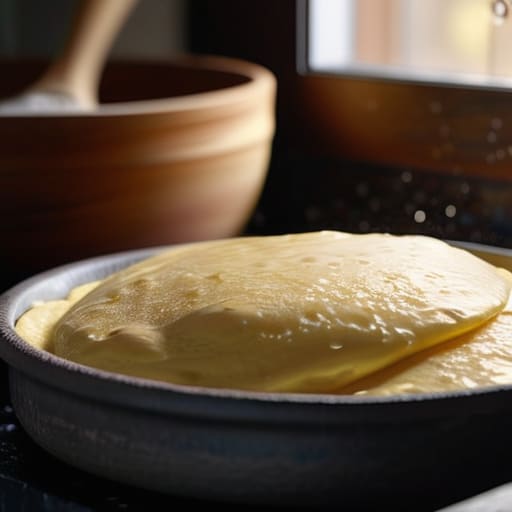
Resting Batter Makes a Real Difference
I spent thirty-four years watching people walk into my shop at dawn, and if there is one thing I’ve learned, it’s that most people are being lied to by glossy cookbooks. You see these photos of pancakes so thick and uniform they look like they were carved from foam, and you think you’re failing because yours don’t look like that. They tell you that you need expensive specialty flours or some magic chemical leavener to get it right, but that’s nonsense. When people ask me how to make pancakes and batters that actually taste like something, they don’t need a pantry full of expensive gadgets; they need to understand the relationship between your ingredients and the heat of your pan. I’m not going to give you a list of “secret” ingredients or a recipe that requires a degree in chemistry. Instead, I’m going to teach you the actual physics of…
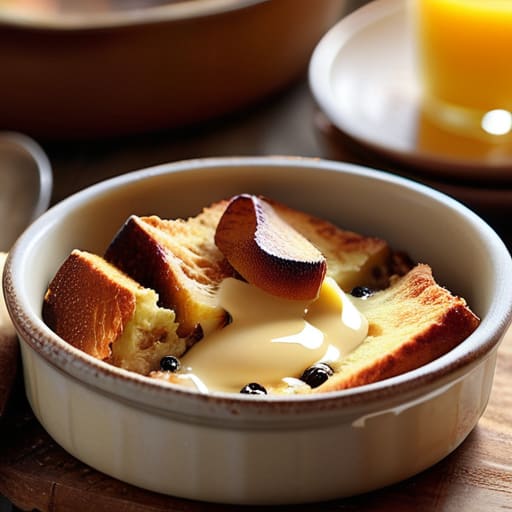
Bread and Butter Pudding From Yesterday’s Loaf
If you’ve spent any time scrolling through those glossy cooking sites, you’ve likely been told that the secret to a perfect dessert is finding the most expensive, artisan brioche or a perfectly sliced loaf of milk bread. That is a lie. If you want to learn truly how to make bread and butter pudding, you need to stop looking for perfection and start looking for stale bread. I spent thirty-four years watching dough rise and fall in my shop, and I can tell you that fresh bread is actually your enemy here; it’s too eager, too soft, and it’ll turn into a sodden, mushy mess before the custard even has a chance to set. I’m not going to give you a list of fancy ingredients you can’t find at your local grocer, nor will I show you a photograph of a dish that looks like it belongs in a museum.…
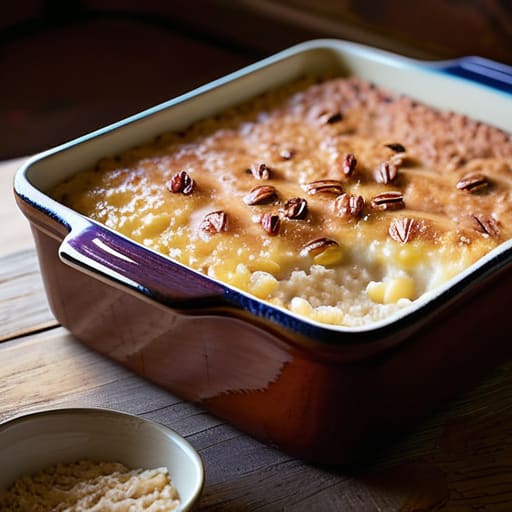
Rice Pudding: Slow Oven, No Stirring
Most people think that learning how to make rice pudding is about finding the perfect ratio of sugar to cream, but they’ve got it backwards. They treat it like a chemistry experiment where if the measurements are exact, the result is guaranteed. I spent years watching people follow recipes to the letter only to end up with a pot of gummy, broken starch or a liquid mess that never quite set. The truth is, rice pudding isn’t a math problem; it’s a lesson in listening to the pot. You aren’t just heating grains; you are managing the way starch releases its grip on the liquid, and that requires your eyes and your hands, not just a measuring cup. I’m not going to give you a list of fancy ingredients or tell you that you need a specific brand of vanilla to succeed. Instead, I’m going to teach you how to…
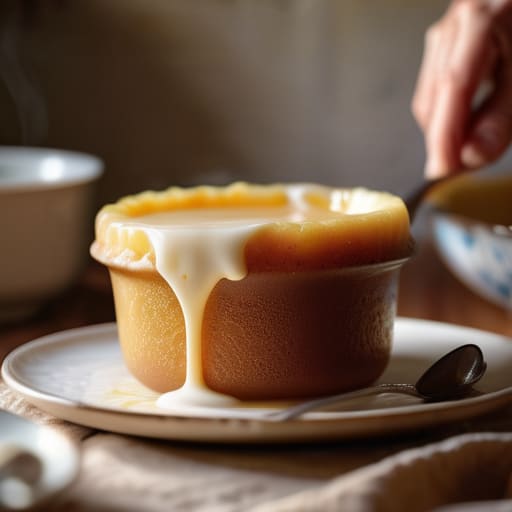
Steamed Puddings and Why They Went Out of Fashion
People will tell you that the secret to a perfect sponge is a fancy new steamer or a precise set of electric timers, but they are lying to you. After thirty-four years of watching dough rise in kitchens that were far too drafty and far too humid, I’ve learned that if you want to master how to make steamed puddings, you have to stop looking at the clock and start using your senses. A pudding doesn’t care about your digital readout; it cares about the weight of the steam in the air and the way the scent of suet and sugar begins to hang heavy in the room. I’m not going to give you a list of expensive gadgets or a recipe that relies on “folding in” ingredients until your arms ache for no reason. Instead, I’m going to show you the actual mechanics of the steam—the hydration levels that…
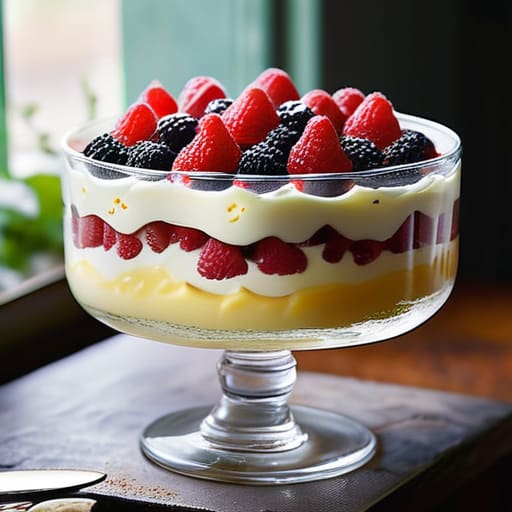
Trifle Built in Order, Not Thrown Together
I’ve spent forty years watching people treat a trifle like a frantic construction project rather than a slow, deliberate assembly of textures. You’ll see them in the shops, buying pre-made, gelatinous sponges that have the structural integrity of a wet sponge and the flavor of nothing at all, thinking that’s the secret to how to make trifle properly. They think more layers and more expensive sherry will hide a multitude of sins, but they’re wrong. A trifle shouldn’t be a frantic race to the bottom of a glass bowl; it should be a study in patience, where every soak and every fold has a purpose. I’m not going to give you a list of fancy gadgets or tell you to buy gold leaf for your fruit. Instead, I’m going to teach you how to respect the weight of your custard and the absorption rate of your sponge. We are going…
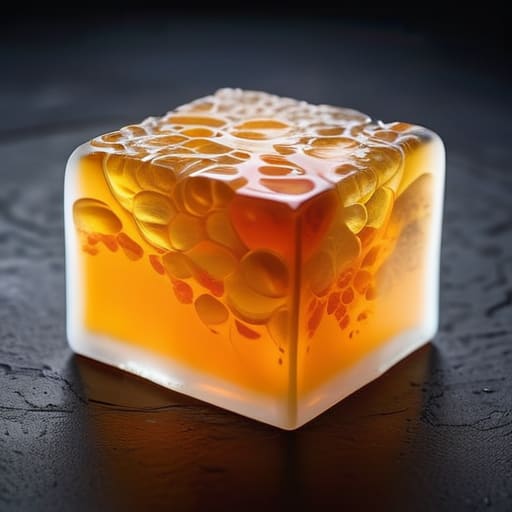
Setting Agents Compared
I remember a summer afternoon in the shop, years ago, when a young apprentice tried to swap my fruit preserves for a vegan alternative, thinking a simple substitution would suffice. She ended up with a tray of something that felt more like rubber than dessert, staring at me with eyes full of confusion. That is the trouble with modern baking; people treat stabilizers like interchangeable parts in a machine, but they aren’t. If you are standing in your kitchen wondering how gelatine and agar differ, you aren’t just choosing between an animal product and a seaweed extract; you are choosing the very soul of the texture you want to achieve. I am not here to give you a chemistry lecture or a list of sterile measurements that won’t work in a warm kitchen. Instead, I am going to tell you how these two behave when the heat rises and the…