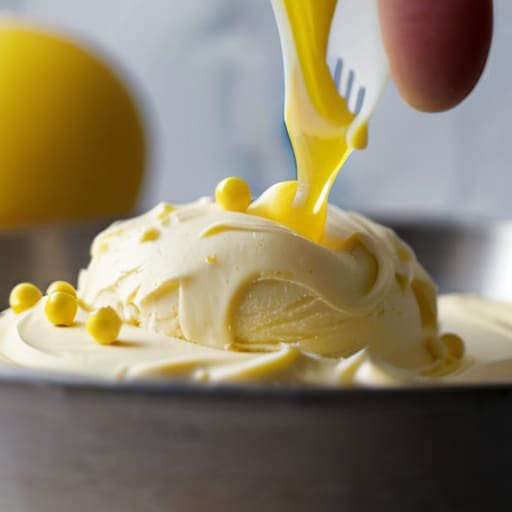
Split Buttercream Is Almost Always Temperature
I’ve spent thirty-four years watching people panic when their frosting turns into a grainy, curdled mess that looks more like cottage cheese than a silky dream. Most of the fancy cookbooks will tell you that you’ve ruined the batch or that you need to start over with expensive new ingredients, but that is absolute nonsense. If you are staring at a bowl of separated fat and wondering how to fix split buttercream, stop blaming your recipe and start looking at your kitchen temperature. It isn’t a failure of chemistry; it is simply a matter of temperature and timing, and I promise you, it is almost always fixable if you don’t lose your head. I am not going to give you a list of “miracle ingredients” or tell you to throw your hard work in the bin. Instead, I’m going to tell you exactly how to coax that emulsion back into…
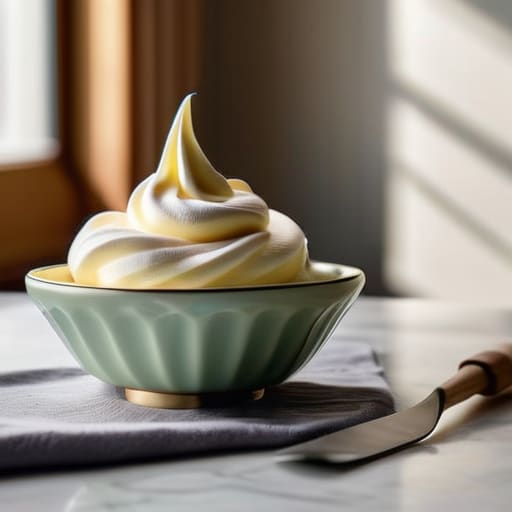
Meringue Buttercreams and the Extra Half Hour
I remember a young man coming into the shop years ago, frantic because his wedding cake frosting had turned into a grainy, yellow mess just hours before the reception. He had followed a beautiful photograph online, but he didn’t understand how Swiss and Italian meringue buttercream differ when it comes to the actual physics of the fat and the air. Most people treat these two like they are interchangeable, but that is a recipe for heartbreak. One is a steady, warming process of heating egg whites and sugar, while the other is a high-stakes dance with a boiling sugar syrup that demands your absolute undivided attention. I am not here to give you a list of ingredients and tell you to “mix until smooth.” Instead, I want to talk to you about the temperature of your butter and the stability of your meringue. I will show you why one yields…
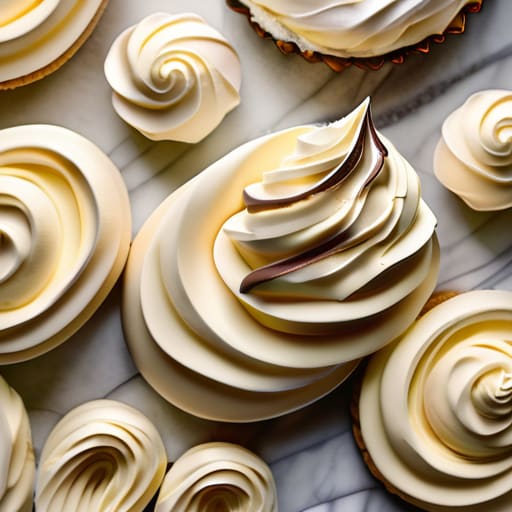
Buttercream: Four Kinds and When Each Suits
I spent thirty-four years watching people treat buttercream like some sort of fickle magic trick, as if you need a degree in chemistry or a kitchen full of specialized gadgets to get it right. They’ll tell you that you need a specific brand of expensive European butter or a high-speed stand mixer to achieve perfection, but that’s just noise. The truth about how buttercream works isn’t found in a fancy gadget; it’s found in the temperature of your hands and the humidity in the air. I’ve seen more beautiful frostings ruined by a cook who was too impatient than by any lack of professional equipment. I’m not here to sell you a miracle or a complicated list of substitutions that leave your cake tasting like wax. Instead, I want to talk about the actual physics of fat and air, and why your kitchen temperature is more important than your recipe…
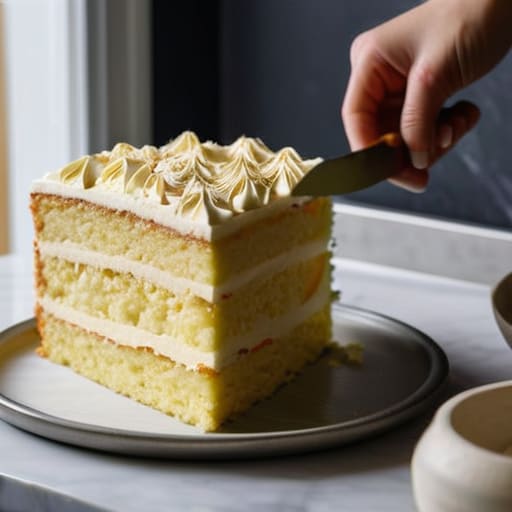
Building a Layer Cake That Stands Up
You can spend all morning obsessing over the perfect crumb or the exact percentage of sugar in your batter, but if you haven’t mastered how to level and layer a cake, you’re just building a house on a sand dune. I remember a wedding cake I pulled from the oven during my third year in the shop; the sponge was divine, but because I’d been too impatient to let the domes settle and hadn’t leveled them properly, the whole thing started a slow, heartbreaking lean toward the floor by the time the bride arrived. It wasn’t a recipe failure, it was a structural one. A cake that isn’t flat isn’t just ugly; it’s a ticking time bomb of sliding frosting and collapsing tiers. I’m not going to give you a list of expensive, fancy gadgets you don’t need to buy. Instead, I’m going to show you how to use a…
Even Layers Without Trimming
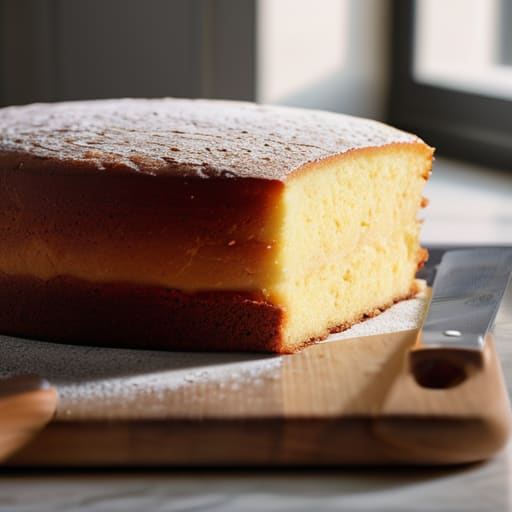
I spent thirty-four years watching people throw money at fancy, motorized mixers and “professional grade” silicone mats, thinking those gadgets would solve their problems. They’d pull a lopsided, sunken mess out of the oven and blame a faulty brand of baking powder, when the truth was much simpler: their kitchen was a drafty mess or they’d over-whipped the air right out of the batter. If you are staring at a crater in the middle of your sponge and wondering how to make a cake rise evenly, stop looking for a magic ingredient and start looking at your thermometer. Most of these “secret techniques” you see online are just expensive distractions from the actual physics of heat and aeration. I’m not here to sell you a specialized gadget or a complicated twelve-step ritual. Instead, I’m going to tell you exactly what is happening inside that tin, from the way your butter…

Why the Fruit Ends Up at the Bottom
I remember standing over a flour-dusted bench at four in the morning, staring in disbelief at a batch of blueberry muffins that looked more like a graveyard of purple stones than a light, airy sponge. I had followed every “expert” tip on the internet, yet there they were, all the fruit huddled at the bottom like they were seeking warmth. Most people will tell you that you need some fancy, expensive stabilizer or a specific brand of thickener to fix it, but they’re selling you nonsense. The truth about how to stop fruit sinking isn’t found in a specialty aisle; it’s found in the density of your batter and the way you respect the physics of your ingredients. I’m not going to give you a list of magic powders or tell you to buy a different oven. Instead, I’m going to tell you why your hydration levels are betraying you…
Flatter Cakes From a Cooler Oven
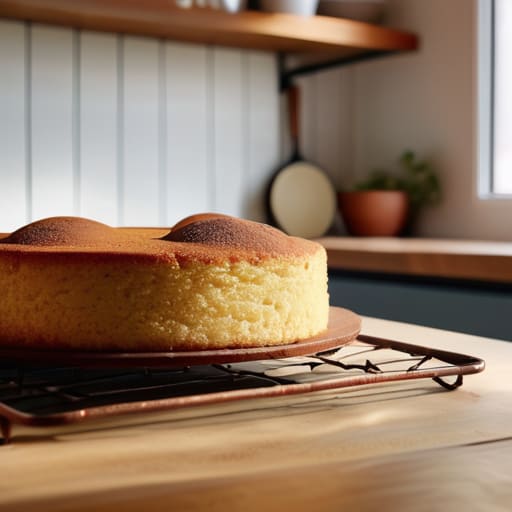
I can still smell the singed sugar from my first decade in the bakery, a constant reminder of the times I thought a fancy new silicone mat or a high-tech convection setting would solve my problems. I used to spend hours scouring magazines, looking for some secret trick on how to stop a cake doming, thinking I just hadn’t bought the right pan or the most expensive thermometer. But after thirty-four years of pulling trays out of a wood-fired oven that had more personality than most people I know, I realized that all those expensive gadgets are just distractions from the physics of heat. A mountain in the middle of your sponge isn’t a mystery; it’s a conversation between your batter and your oven that you aren’t quite listening to yet. I’m not going to sell you a specialized baking strip or a new way to measure your flour in…
The Crack Down the Middle Is Normal
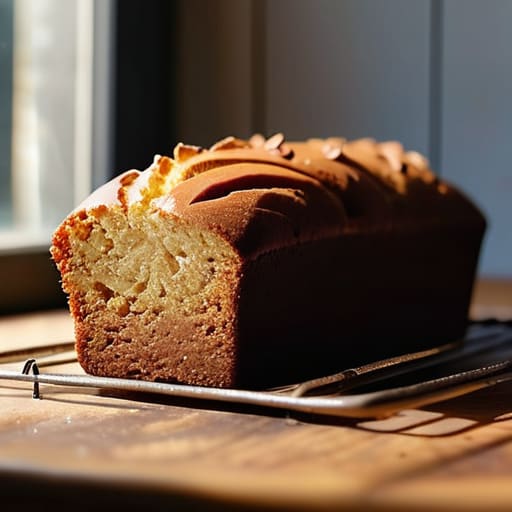
I’ve spent thirty-four years watching people throw money at expensive, specialized silicone molds and fancy convection settings, convinced that a piece of gear is the secret to how to make a loaf cake evenly. It’s a nonsense idea. I remember one rainy Tuesday in the shop, a young lad came in with a beautiful-looking cake that had a massive, sunken crater right down the middle, looking more like a canyon than a dessert. He blamed his oven, then his flour, then his luck, but he hadn’t even considered the physics of the heat or how he’d treated his batter before it ever touched the tin. I’m not here to sell you a new pan or a gadget that promises miracles. I want to talk to you about the things that actually matter: the weight of your ingredients, the temperature of your room, and why your oven is likely lying to…
Drizzle Goes on Hot, Not Warm
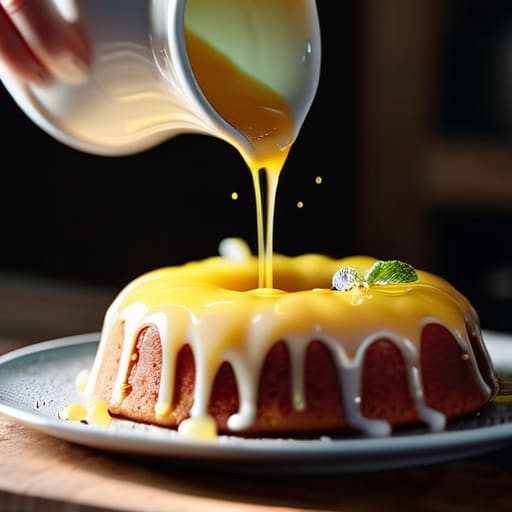
Most people think that learning how to make lemon drizzle is all about finding the most expensive organic lemons or a “secret” zest technique, but they’re looking in the wrong direction. I spent thirty years behind a bakery counter watching people walk out with dry, heavy sponges simply because they treated the batter like a chemistry experiment instead of a living thing. The truth is, a lemon drizzle lives or dies by the temperature of your ingredients and the way you handle that sugar syrup while the cake is still breathing. If you pour that drizzle onto a cold cake, it just sits there like a sad, wet puddle instead of soaking into the very heart of the crumb. I’m not going to give you a list of fancy gadgets or tell you that you need a professional kitchen to get this right. Instead, I’m going to show you the…
Oil-based Cakes Stay Moist Longer
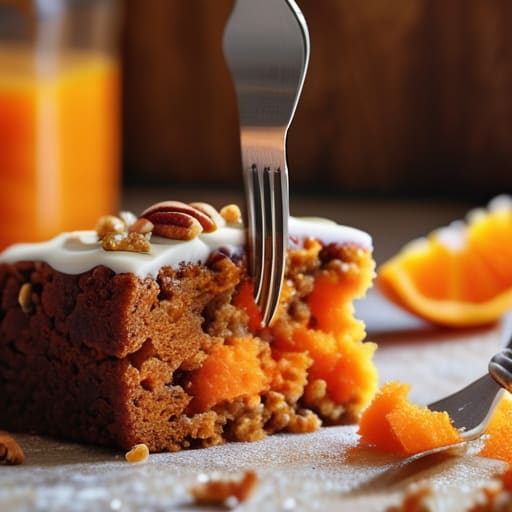
Most people think that if their carrot cake comes out heavy, sodden, or tasting like a damp sponge, they simply didn’t use enough spices or a fancy enough flour. They spend hours scrolling through glossy websites trying to figure out how to make carrot cake that doesn’t collapse under its own weight, but they are looking in all the wrong places. The truth is, your cake isn’t failing because of the cinnamon; it’s failing because you’re treating your batter like a chemistry experiment instead of a living thing. You’re likely over-mixing the flour until the gluten gets angry, or you’re dumping in grated carrots that are so full of water they’ve turned your lovely crumb into mush. I am not going to give you a list of “secret ingredients” or tell you to buy a specific brand of expensive oil. Instead, I’m going to teach you to listen to the…