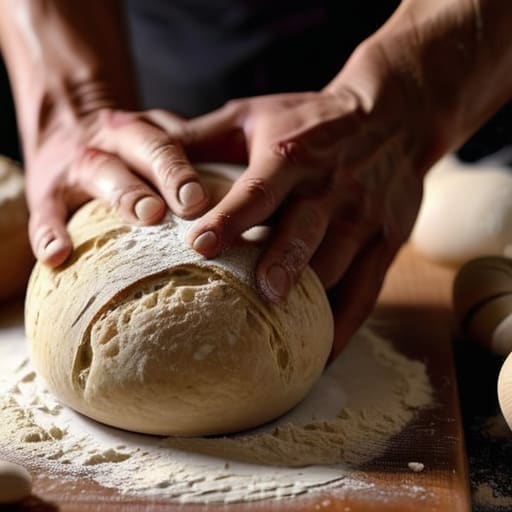
If you’ve spent more than five minutes scrolling through the internet, you’ve likely been bombarded with some glossy, overproduced complete guide to baking equipment that suggests you need a professional-grade convection oven and a copper bowl just to make a decent boule. It’s nonsense, and frankly, it’s a way to make you feel like you’re failing before you’ve even dusted your hands with flour. I spent thirty-four years in a shop where the most important “equipment” was a heavy wooden bench and a pair of hands that knew when the dough was tired; I didn’t need a gadget for every single step, and neither do you.
I’m not here to sell you on the latest kitchen trend or help you empty your savings account at a high-end department store. Instead, I’m going to give you the truth about what actually matters when you’re standing in your kitchen at dawn. We are going to focus on the essential, hardworking tools that actually influence your hydration, your crumb, and your sanity. I’ll tell you which items are worth every penny and which ones are just expensive clutter designed to distract you from the fact that baking is, at its heart, a matter of patience and precision.
Measuring Tools for Precision Baking Over Fickle Cups
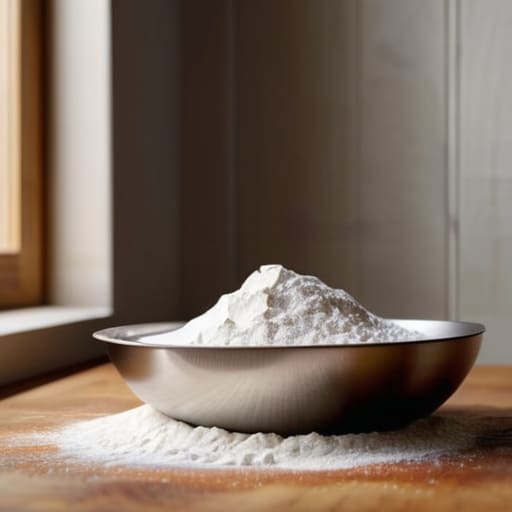
If you walk into my kitchen and ask for a cup of flour, I’ll give you a look that would wilt a sourdough starter. I’m not being difficult; I’m being honest. A cup is a volume, and volume is a liar. Depending on how tightly you pack that flour or how much it’s settled in the bag, you could be adding twenty grams more than you intended. In bread, twenty grams is the difference between a supple, airy crumb and a dense, stubborn lump. When I talk about measuring tools for precision baking, I’m talking about a digital scale. That is your most important piece of kit. It doesn’t care about how “full” a cup looks; it only cares about the truth of the weight.
When you’re putting together your own essential baking tools for beginners, please, for the love of all that is holy, skip the set of nested measuring cups. You don’t need them. You need a scale that reads to at least a single gram and a small set of spoons for your salt and yeast. Once you start thinking in percentages rather than scoops, you’ll finally understand why your dough feels too stiff or too slack. It’s not magic; it’s just math that you can feel in your palms.
Essential Baking Tools for Beginners Who Seek Mastery
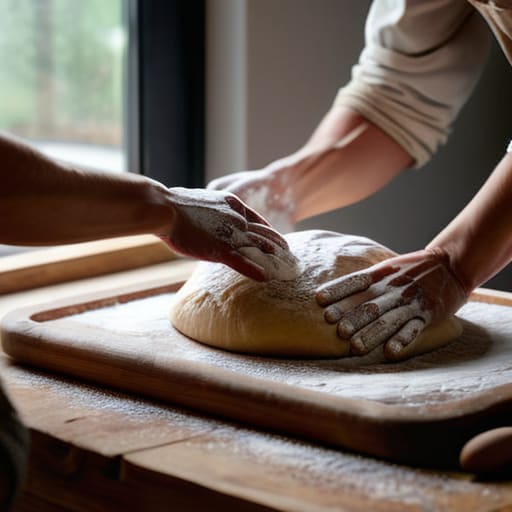
Now, don’t let the glossy catalogs fool you into thinking you need a professional pastry equipment list to make a decent boule. When I started, we had a wooden table, a heavy knife, and a bit of grit. If you are looking for the true essential baking tools for beginners, start with your hands and a sturdy bench scraper. That little piece of steel is your best friend; it’s how you divide dough without tearing the gluten or leaving a mess of sticky scraps behind. You don’t need a machine to do the work for you, but you do need something to help you manage the tension of the dough.
When it comes to the actual bake, your choice of vessel matters more than the price tag. You’ll hear people argue about silicone vs metal baking tins, but for bread, I’ll tell you right now: neither will replace the heat of a heavy Dutch oven or a well-seasoned stone. Metal is fine for a sponge cake, but bread needs a steady, radiating heat to get that crust to sing. Don’t go buying every gadget in the shop; buy the things that can withstand the heat and the constant scrubbing.
Five Things Your Kitchen Needs More Than a Fancy Cookbook
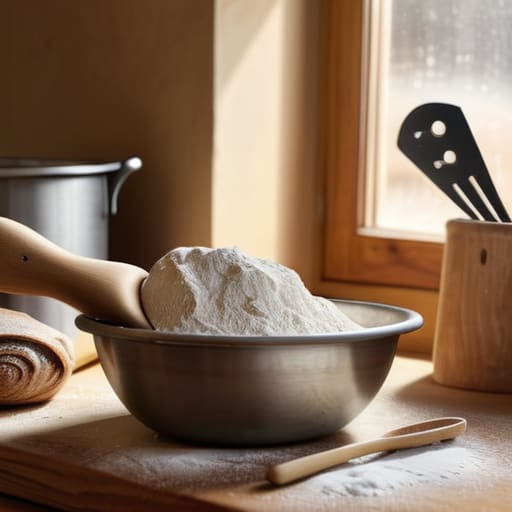
- Get a digital scale that reads to the gram and stick to it. If you’re still using those little nesting measuring cups, you aren’t baking; you’re playing a guessing game with your flour, and that’s exactly how you end up with a heavy, dense loaf that could double as a doorstop.
- Buy a thermometer that actually works. I don’t care how many “smart” ovens you have; if you can’t check the temperature of your water or the internal heat of your bread, you’re flying blind. Yeast is a living thing, and it doesn’t care about your settings—it cares about the heat you give it.
- Invest in a sturdy bench scraper. It’s the most underrated tool in the bakery. It’s not just for cleaning your workspace; it’s for handling dough when it’s too sticky to touch with your hands, and it’s the only way to move a delicate piece of dough without tearing the life out of it.
- Don’t skimp on your cooling rack. I’ve seen too many beginners pull a beautiful loaf out of the oven and set it directly on a flat counter. You’ll trap the steam underneath, turn the bottom of your crust soggy, and ruin all that hard work in ten minutes. Give the bread room to breathe.
- Find yourself a heavy-bottomed Dutch oven or a thick baking stone. You need something that holds heat like a grudge. A home oven is a fickle, drafty thing compared to a professional deck oven, so you have to bring your own thermal mass to the party to get that proper crust.
The Baker’s Bottom Line
Throw those measuring cups in the back of the drawer; if you aren’t weighing your flour and water in grams, you aren’t baking, you’re just guessing.
Don’t let the fancy gadgets fool you into thinking they’ll do the work for you; a good scale and a sturdy bench scraper are worth more than a thousand silicon gadgets.
Invest in tools that respect the dough, because if you use rough or improper equipment, you’ll end up fighting the bread instead of helping it rise.
The Heart of the Kitchen
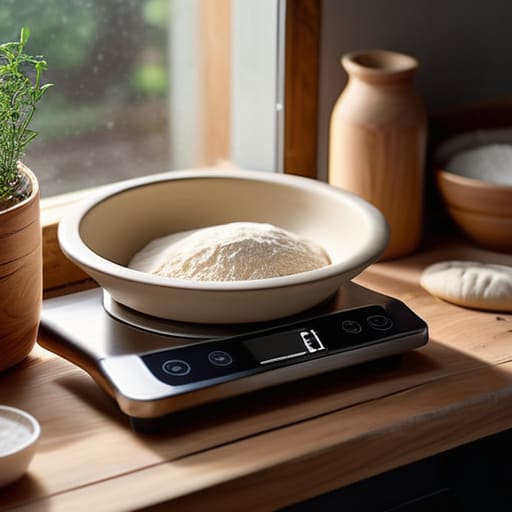
We’ve covered a lot of ground, from the digital scale that will become your best friend to the heavy-duty bowls and proofing baskets that give your loaves their structure. Remember, the goal isn’t to own every gadget on the market; it’s to own the right tools that allow you to actually feel what the dough is doing. You need a scale for accuracy, a decent thermometer to keep your water temperature from shocking the yeast, and a surface that doesn’t fight you. If you invest in quality over quantity, you aren’t just buying metal and wood; you are investing in the ability to stop guessing and start knowing exactly why your bread is behaving the way it is.
At the end of the day, though, don’t let a lack of professional-grade equipment intimidate you. I spent decades working a wood-fired oven that would make a modern baker weep, and I can tell you that the most important tool in your kitchen isn’t something you can buy in a box. It is your own patience and your hands. Tools are just extensions of your intent. Use them to measure, use them to shape, but use your senses to finish the job. If a loaf comes out a bit flat or a bit dense, don’t blame the equipment—just adjust your temperature, watch your timing, and try again tomorrow. The flour isn’t going anywhere.
Frequently Asked Questions
Do I really need a separate scale for my starter and my flour, or can I just use one digital scale for everything?
Oh, heavens no. You don’t need a separate scale for every single ingredient; that’s just cluttering up your counter and your mind. One reliable digital scale is plenty. I use the same one for my flour, my salt, and my starter every single morning. Just make sure you zero it out—that’s what the tare button is for—and keep it clean. As long as you aren’t mixing flour into your scale’s sensor, one good scale is all the precision you need.
If I'm working with high-hydration doughs, are those expensive silicone mats actually worth the counter space?
If you’re playing with high-hydration doughs—anything north of 75%—those mats are worth every inch of counter space. When a dough is that wet, it behaves more like a living thing than a lump of clay; it wants to stick to everything. A good silicone mat gives you that non-stick surface without needing to douse your workspace in flour, which keeps your hydration levels predictable. It’s about control, not gadgetry.
My kitchen is always drafty and cold—is there any piece of equipment that can help me keep my dough at the right temperature during the rise?
If your kitchen feels like a cellar, you’re fighting a losing battle with your yeast. You don’t need a fancy proofing box, though they’re fine if you have the coin. Honestly? An oven with the light turned on is your best friend. It provides just enough gentle, ambient warmth without cooking the life out of the dough. Just keep the heat off. If that’s still too fickle, a heavy Dutch oven can hold thermal mass beautifully.