I’ve spent thirty-four years watching people lose their minds over dessert menus that look like they were plucked from a glossy magazine but taste like nothing but effort. Everyone thinks they need a towering croquembouche or a dozen different delicate pastries to impress, but that is exactly how you end up sweating over a hot stove while your friends are actually enjoying their wine. If you are staring at a Pinterest board wondering how to plan a dessert for guests without losing your sanity—or your appetite—you’re looking at it all wrong. The spectacle is a lie; the real magic is in the balance of temperature and timing.
I am not going to give you a list of fancy ingredients that require a specialist to source. Instead, I’m going to tell you how to choose something that respects the ingredients, accounts for the heat in your kitchen, and actually allows you to sit down at the table. We are going to talk about the logistics of flavor and flow, focusing on what works in a real home rather than a staged photograph. By the time we are done, you will know how to build a menu that is as reliable as a well-fed sourdough starter.
Mastering Dessert Course Timing and Hosting Dinner Party Logistics
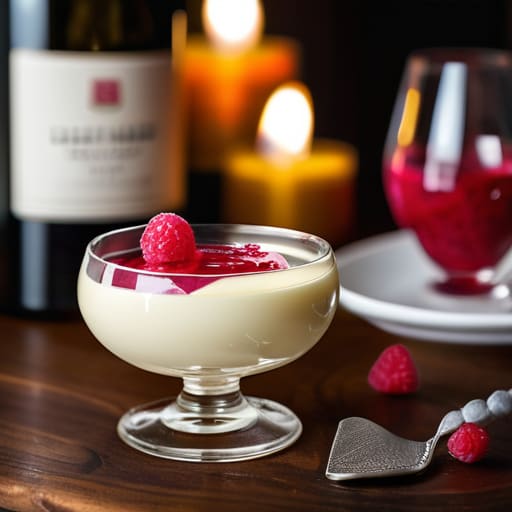
The biggest mistake I see when people start hosting dinner party logistics is thinking they need to be standing over a stove while their guests are actually sitting at the table. If you are whisking a custard or tempering chocolate while the wine is being poured, you aren’t hosting; you’re just working a shift. I always tell my apprentices: if you can’t walk away from the dough to sit down, you shouldn’t be making it for a party. You want make-ahead dessert recipes that rely on time and temperature rather than last-minute frantic movement. A well-set panna cotta or a chilled tart requires nothing from you but a spoon at the end of the night.
When it comes to dessert course timing, the goal is to provide a gentle landing, not a second heavy meal. You need to be mindful of balancing sweet and savory flavors so your guests don’t feel weighed down by the time the coffee arrives. If your main course was a rich, fatty roast, don’t follow it with a heavy, syrupy cake. Instead, lean toward something with acidity or a lighter crumb to cleanse the palate.
Balancing Sweet and Savory Flavors Without the Rush
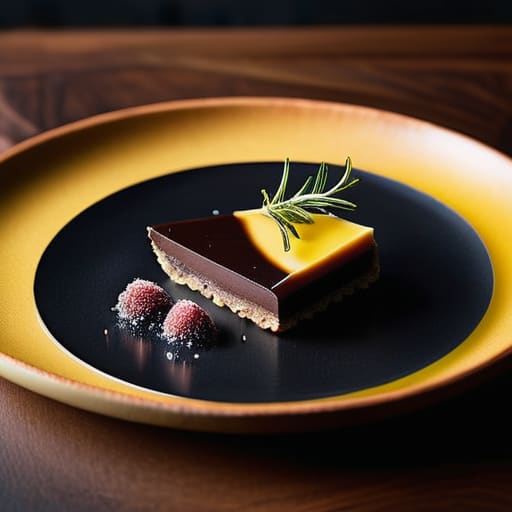
The mistake most people make is thinking a dessert needs to be a sugar bomb to be successful. If your main course was a rich, salt-heavy braise or a heavy cheese plate, hitting your guests with a cloying, syrupy finish is like slamming a door in their faces. You aren’t looking for a sugar rush; you are looking for balancing sweet and savory flavors so the palate feels satisfied rather than exhausted. I always lean toward acidity or bitterness to cut through the fat of a long meal—think of a tart lemon curd, a dark chocolate with a hint of sea salt, or even a dessert that uses herbs like rosemary or thyme.
Don’t let the fear of a complex menu keep you from choosing something meaningful. When you are working through hosting dessert menu ideas, remember that the most elegant plates often rely on contrast. If your dessert is soft and creamy, give it a crunch. If it’s heavy, give it a bright, acidic note. And please, for the love of good hosting, choose make-ahead dessert recipes that don’t require you to be whisking a meringue while your guests are trying to enjoy their wine. The best dessert is one that feels effortless, even if you spent all afternoon perfecting the temperature.
Five rules for a dessert that doesn't feel like an afterthought
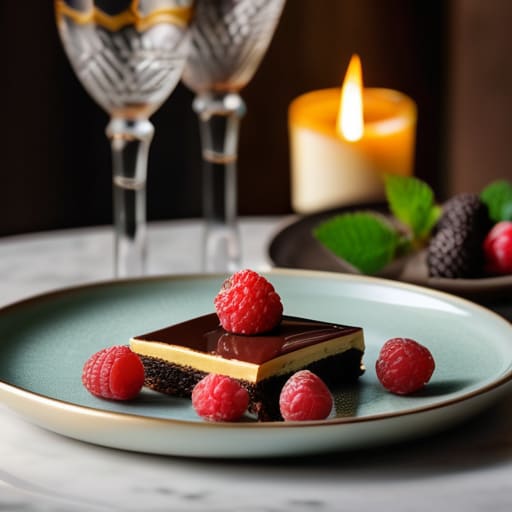
- Respect the temperature of your kitchen; if you’re planning a delicate mousse or a temperamental pastry, don’t assume your countertop is a sanctuary of cool air, because a warm room is the fastest way to turn a beautiful set into a puddle.
- Stop chasing the “showstopper” and start thinking about the palate; after a heavy main course, your guests don’t need a mountain of sugar, they need something that cleanses the tongue, like a sharp citrus or a bit of acidity to cut through the richness.
- Plan for the “prep-work” versus “assembly” divide; I never want to be whisking egg whites while my guests are looking for the dessert spoons, so choose something where the heavy lifting is done hours—or even a day—before the first guest knocks.
- Account for the humidity and the air; if you are serving something crisp or crusty, remember that a damp evening will turn your hard-won crunch into something chewy faster than you can say “service,” so keep your delicate bits tucked away until the very last second.
- Don’t fear the simple fruit; sometimes a perfectly ripe peach or a handful of berries with a bit of cream is better than a complex cake that requires a degree in engineering to slice, because at the end of the night, people want to feel satisfied, not overwhelmed.
The Three Truths of a Successful Dessert
Respect the temperature of your kitchen and your guests; a dessert that requires frantic, last-minute assembly is a recipe for a stressed host and a lukewarm plate.
Stop chasing the most complex recipe in the book and start looking at your menu’s balance; if your main course was heavy and salt-forward, your dessert needs lightness, not more weight.
Trust your senses over a timer; if a custard looks set but feels tight, or a sponge smells like it needs five more minutes, listen to the food, not the clock.
The Final Fold
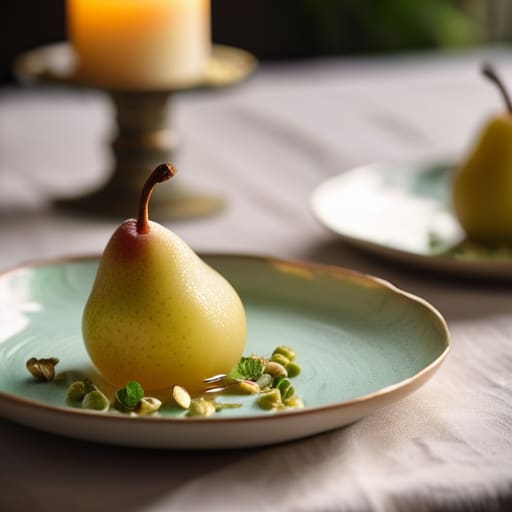
At the end of the day, planning a dessert course isn’t about performing a feat of culinary gymnastics; it is about managing the variables you can control. You have to respect the transition from the savory salt of the main course to the sweetness of the finish, and more importantly, you have to respect the rhythm of your guests. If you’ve balanced your flavors, accounted for the temperature of your kitchen, and timed your service so you aren’t sweating over a hot oven while everyone else is laughing at the table, you have already won. Remember that a dessert shouldn’t feel like a frantic afterthought or a heavy weight on the stomach, but a gentle, intentional conclusion to the meal.
Don’t let the fear of a fallen sponge or a weeping custard keep you from inviting people into your home. If a tart crust is a bit too short or a mousse doesn’t set quite as firm as the photograph promised, don’t apologize—just serve it with a bit of cream and a warm smile. Your guests aren’t there to critique your hydration percentages or your oven calibration; they are there to share time with you. Baking is an act of service, and the best ingredient you can bring to the table is a calm spirit and a bit of patience. Now, put down the scale, clear your bench, and go enjoy your company.
Frequently Asked Questions
If I’m making something with a high hydration dough or a delicate sponge, how much buffer time should I actually give myself before the guests arrive?
If you’re working with a 75% hydration dough or a temperamental sponge, you need more than just a “buffer”—you need a safety net. I always budget an extra forty-five minutes. High-hydration doughs are temperamental; if your kitchen is even two degrees cooler than you thought, that bulk fermentation will stall. Don’t trust the clock; trust the dough’s feel. Give yourself that time to adjust for temperature or a slow rise without panicking.
How do I adjust my dessert plan if the kitchen is naturally cold or lacks a reliable oven temperature?
If your kitchen is a drafty cellar, stop chasing soufflés. Cold air is a thief; it steals your fermentation and stalls your rise. Instead, lean into things that don’t mind a chill—mousses, panna cottas, or a sturdy fruit tart with a shortcrust. If your oven is a liar, stop trusting the dial. Use an internal thermometer instead. If the bake looks pale but the center is set, trust the heat, not the clock.
When am I actually able to prep a dessert in advance without the texture or the "feel" of the dough being ruined by sitting too long?
You’re asking about the window between preparation and the plate, and that’s where most people trip up. If you’re working with a dough—say, a brioche or a laminated pastry—don’t let it sit at room temperature for hours; the yeast will exhaust itself and the structure will go limp. Cold fermentation in the fridge is your best friend. It tightens the gluten and develops flavor without ruining the “feel.” If it’s a sponge or a custard, prep the components, but don’t marry them until you’re ready to serve. Timing is everything.