I remember standing in my bakery at four in the morning, the air thick with the scent of toasted grain and the damp chill that settles in your bones before the sun dares to rise. I once had a young apprentice who thought he could conquer a batch of rye by simply staring at a digital timer, convinced that if he followed the clock to the second, the bread would obey. He didn’t realize that a kitchen is a living thing, not a laboratory. Most people spend their lives fighting against the clock, trying to force a schedule onto a culture that has its own rhythm, but understanding how sourdough timing works isn’t about mastering a stopwatch; it’s about learning to read the life inside the bowl.
I’m not here to sell you a fancy new timer or a complicated spreadsheet that requires a degree in mathematics. What I want to do is show you that the real secret lies in the temperature of your hands and the warmth of your countertop. I am going to teach you how to stop being a slave to the recipe and start becoming a partner to your dough, focusing on the subtle shifts in texture and gas that tell you exactly when to move and when to wait.
The Silent Pulse of Sourdough Starter Activity Levels
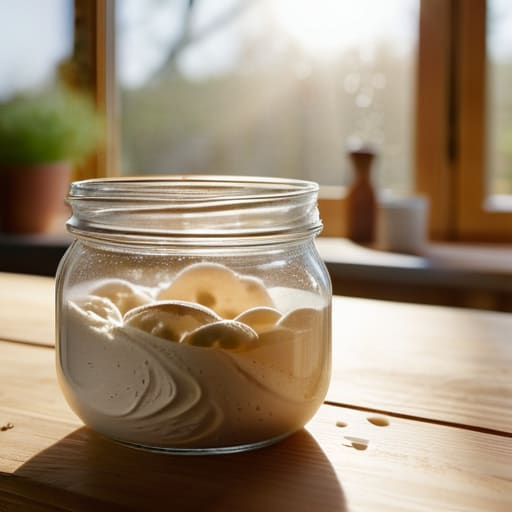
You can’t time a loaf by looking at a clock; you have to time it by looking at the bubbles. I spent three decades watching the way my starter breathed, and I can tell you that your starter isn’t a machine—it’s a living, fickle thing. On a humid Tuesday, it might peak in four hours, but by Friday, if the house has cooled, it might take ten. You have to learn to read the sourdough starter activity levels by how it behaves in the jar. If it’s doubling in size and looks aerated and bubbly, it’s ready to work. If it’s sluggish and flat, don’t you dare mix your dough; you’ll just end up with a heavy, sour mess that refuses to lift.
The real trick is understanding that the starter dictates your entire rhythm. Once that culture hits the flour and water, the clock starts, but it’s a clock that moves at its own pace. You’ll find yourself making constant proofing schedule adjustments because the air in your kitchen is never the same two days in a row. Don’t get married to a specific hour on the wall. Instead, watch the dough. Is it jiggly? Does it hold its shape when you nudge it? That’s your real timer.
Why Fermentation Temperature Impact Governs Your Doughs Soul
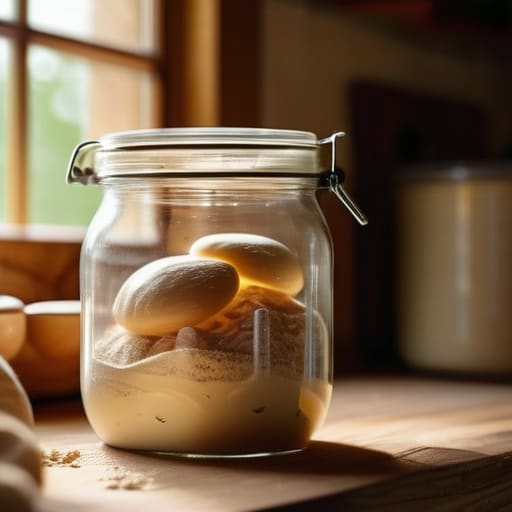
You can follow my timings to the second, but if your kitchen feels like a meat locker, those numbers are nothing but fiction. The fermentation temperature impact is the single most misunderstood variable in a baker’s life. I’ve seen beginners stare at a clock, waiting for a sixty-minute bulk fermentation, only to pull out a puddle of grey sludge because their countertop was stone-cold. Yeast and bacteria aren’t machines; they are living things that respond to the warmth of the room. If the air is chilly, they sleep; if it’s warm, they dance.
You have to learn to read the dough, not the timer. If you’re working in a warm kitchen, your bulk fermentation duration will shrink before your eyes, and you’ll need to move quickly to avoid the heartbreak of overproofed vs underproofed dough. I always tell my students: don’t be a slave to the schedule. If the dough feels slack and smells overly acidic, it’s telling you it’s finished, regardless of what your phone says. Trust your hands, feel the tension, and adjust your pace to the room.
Five Truths About the Clock and the Dough
- Stop looking at the clock and start looking at the dough; a recipe might say two hours, but if your kitchen is a drafty cellar, that dough won’t move an inch in two hours, and if you try to force it, you’ll just be baking expensive disappointment.
- Respect the window of peak activity, because once your starter has hit its height and begins to recede, it’s losing the strength it needs to lift a heavy dough—you want to catch it when it’s bubbly and defiant, not when it’s starting to weep.
- Learn to read the “jiggle” during bulk fermentation; you aren’t looking for a specific minute on a timer, you’re looking for that aerated, pillowy tension that tells you the yeast has actually done its job.
- Don’t let a long, cold proof in the fridge fool you into thinking the work is done; the refrigerator is a pause button, not a stop button, and if you leave it in there too long, the acidity will eventually eat away at the gluten structure until your loaf collapses like a tired lung.
- Account for your “dough temperature” before you even start mixing, because if you use water that’s too cold, you’re essentially putting your fermentation to sleep for the afternoon, and no amount of frantic kneading will wake it up faster.
Three Truths to Carry to Your Bench
Stop watching the clock and start watching the dough; a recipe might say two hours, but if your kitchen is a drafty cellar, that dough isn’t going anywhere until it’s ready, so learn to trust the bubble and the swell rather than the timer on your phone.
Temperature is the invisible hand that moves your fermentation; a five-degree shift isn’t just a number on a dial, it’s the difference between a lively, airy crumb and a dense, sour brick that sits in your stomach like a stone.
Respect the hydration and the handling; if you’re working with a high-hydration dough, you can’t manhandle it like a stiff bagel dough without bruising the life out of it, so learn to fold with intention rather than forcing it into shape.
The Rhythm of the Kitchen
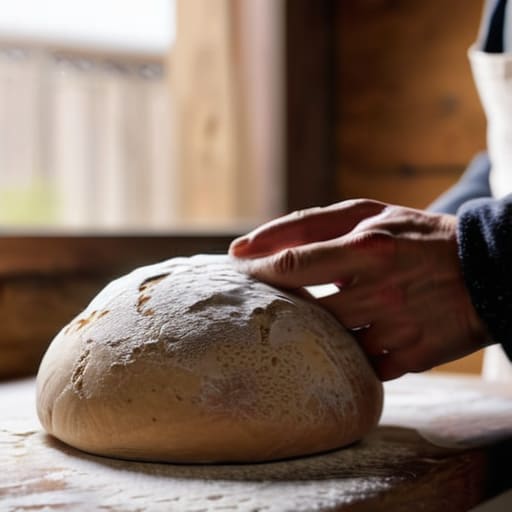
If you’ve been following along, you know that timing isn’t something you find on a printed page; it’s something you feel in the air and the dough. We’ve talked about why your starter needs to be at its peak, how a drop of five degrees in your kitchen can turn a two-hour rise into a four-hour marathon, and why you must never, ever try to force the pace. Sourdough isn’t a math problem to be solved with a stopwatch; it is a living, breathing relationship between temperature, hydration, and time. When you stop staring at the clock and start watching how the dough responds to the warmth of your hands or the chill of the evening, you’ve finally stopped following a recipe and started actually baking bread.
Don’t let a collapsed loaf or a slow rise discourage you. In my thirty-four years, I’ve seen more failed batches than successful ones, and every single one of them taught me something the textbooks couldn’t. If your dough is sluggish, don’t curse the flour—check your water temperature or find a warmer corner of the house. Trust your senses more than your gadgets. Once you learn to read the silent language of fermentation, you’ll realize that the best loaves aren’t made by people who are perfect, but by people who are patient enough to listen.
Frequently Asked Questions
If my kitchen is particularly drafty in the winter, how much extra time should I actually allow for the bulk fermentation without letting the dough overproof?
There is no magic number, because a drafty kitchen isn’t a constant; it’s a thief that steals heat. If your kitchen is biting, don’t look at the clock, look at the dough. I usually allow for an extra two to four hours, but you must watch for the signs: a gentle, pillowy swell and a few tiny bubbles on the surface. If it loses its tension and starts to slump, you’ve gone too far.
How can I tell the difference between a dough that is simply slow because of the temperature and one that has actually gone too far and lost its structure?
Look at the bubbles and feel the tension. A slow dough is just sleepy; it’ll still spring back when you poke it, holding its shape like a firm pillow. But once it’s over-proofed, that structure is gone. It becomes a slack, weeping mess that refuses to hold air. If you poke it and the indentation stays there like a permanent crater, or if the dough feels like thin porridge rather than a living thing, you’ve gone too far.
I use a digital scale for everything, but how do I know if my starter is truly at its peak activity level just by looking at it, rather than relying on a strict schedule?
Stop looking at the clock and start looking at the bubbles. A starter at its peak isn’t just “bigger”; it’s aerated, looking almost like a mousse or a thick sponge. You want to see those tiny, frantic bubbles reaching the surface, and the top should look domed and taut, not flat or sunken. If it’s starting to dip in the middle, you’ve missed the window. Trust your eyes, not your watch.