I can still smell it if I close my eyes—that sharp, fermented tang hitting the back of my throat at four in the morning, long before the sun even thought about touching the village square. Back then, I didn’t have fancy digital scales or temperature-controlled proofing boxes; I just had a heavy stoneware crock and the feel of the air in the kitchen. People will try to sell you expensive kits or complex schedules, telling you that you need a laboratory setup just to learn how to maintain a starter without it dying on you. They make it sound like a chemistry experiment, but they’re wrong. It isn’t about following a rigid, mechanical ritual; it’s about learning to listen to the life breathing inside that jar.
I’m not here to give you a checklist of chores that will make you resent your kitchen. Instead, I’m going to show you how to actually understand your culture, from the way the bubbles sit on the surface to the specific scent of a healthy ferment. We are going to talk about ratios, temperature, and why your hands are more important than any timer. My promise is simple: I will give you the unvarnished truth based on thirty-four years of flour-dusted mornings, so you can stop worrying about failure and start enjoying the rhythm of the bread.
Mastering the Flour to Water Ratio
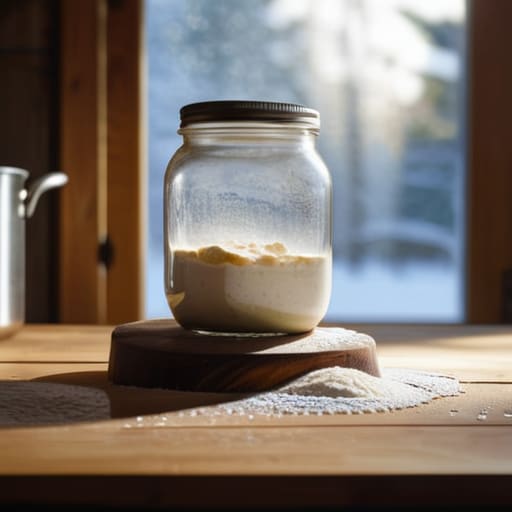
Now, let’s talk about the actual math, because if you’re still using a measuring cup, we’re going to have our first disagreement. To keep an active sourdough culture thriving, you have to stop thinking in volume and start thinking in weight. I always aim for a 100% hydration level when I’m feeding mine—that’s an equal weight of flour and water. If you use 50 grams of flour, you use 50 grams of water. It’s simple, but it’s the foundation of everything.
The real magic happens when you play with your sourdough hydration levels to suit your kitchen’s temperament. If your house is particularly drafty or dry, a slightly stiffer feeding—maybe 80% hydration—can help slow down the fermentation so you aren’t constantly chasing a hungry culture. I’ve seen many beginners panic when their starter looks too liquidy, thinking they’ve ruined it, but that’s just a matter of ratio. Once you understand how the flour to water ratio dictates the speed and strength of your wild yeast, you stop guessing and start listening to the bubbles.
Nurturing Your Active Sourdough Culture
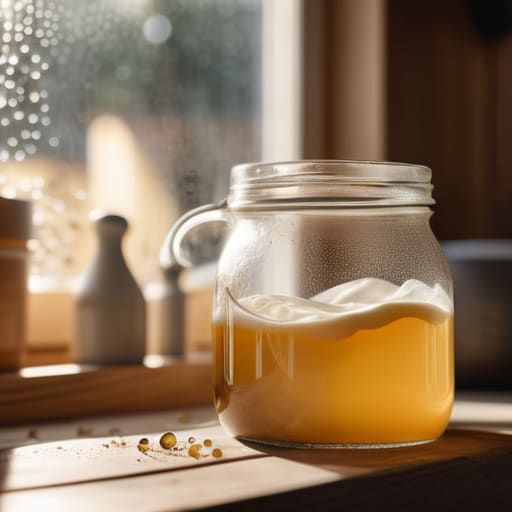
Once you’ve found that sweet spot with your flour to water ratio, you have to learn to read the life in the jar. An active sourdough culture isn’t a static thing; it’s a living, breathing creature that reacts to the slightest shift in the room. If your kitchen is drafty, it will sluggishly protest; if it’s sweltering, it will race ahead and exhaust itself before you’ve even reached for your flour bin. I always tell people to look for the rhythmic rise and fall—that predictable cycle of expansion and collapse that tells you the wild yeast fermentation is in full swing.
When things look a bit off, don’t panic and start throwing away your progress. Most sourdough starter troubleshooting comes down to a simple lack of consistency or a temperature swing that caught you off guard. If it looks thin or smells a bit sharp, it’s likely just hungry. And please, for heaven’s sake, don’t let that excess go to waste. Instead of treating it like rubbish, keep a jar of your old feedings in the fridge for sourdough discard recipes like crackers or pancakes. It keeps the cycle moving without cluttering your counter.
The Quiet Discipline of the Jar
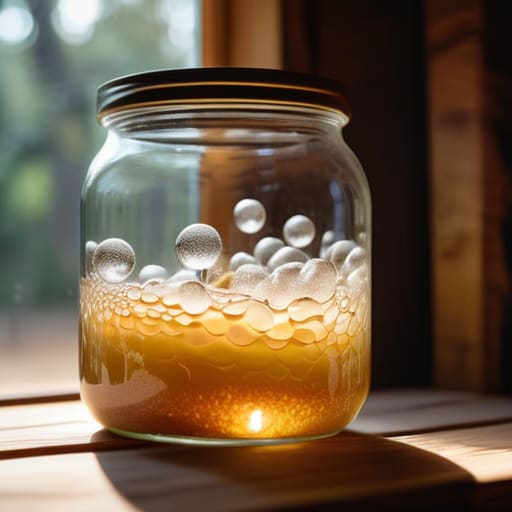
- Stop obsessing over the clock and start watching the bubbles. A starter doesn’t care if it’s Tuesday or Thursday; it cares about the temperature of your kitchen and the hunger in its belly. If it’s sluggish, it’s likely because your countertop is too cold or you’ve been too stingy with the flour.
- Respect the discard, but don’t let it become a mountain. I know it feels wasteful to throw away perfectly good flour and water, but if you don’t keep your starter at a manageable weight—say, a 100% hydration ratio with just a small amount of culture—you’ll end up feeding a monster instead of a companion.
- Temperature is your invisible ingredient. If your kitchen is drafty, your starter will move like molasses; if it’s sweltering, it’ll peak and collapse before you’ve even had your morning tea. Find its rhythm, and if the room changes, adjust your water temperature to compensate.
- Use your senses, not just a ruler. A healthy starter should smell slightly fermented and tangy, like a good cider, not like pure vinegar or old gym socks. When you stir it, you should feel a certain lightness, a structural aeration that tells you the yeast is actually working.
- Consistency beats intensity every single time. It is far better to give a small, regular feeding than to try and “rescue” a neglected, starving starter with a massive feast. Treat it like a slow conversation, not a frantic shouting match, and it will reward you with predictable strength.
The Baker's Truths
Stop relying on your eyes to tell you if a starter is ready; learn to trust the feel of the bubbles and the way the scent shifts from sharp vinegar to something sweet and mellow.
Ditch the measuring cups for a proper scale, because a little too much water can turn your culture into a soup that refuses to hold its strength, and precision is the only way to keep your hydration consistent.
Remember that your kitchen is a living environment, not a laboratory; if the room is cold, your starter will be sluggish, so don’t blame the flour when it’s simply the temperature that’s holding you back.
The Rhythm of the Jar
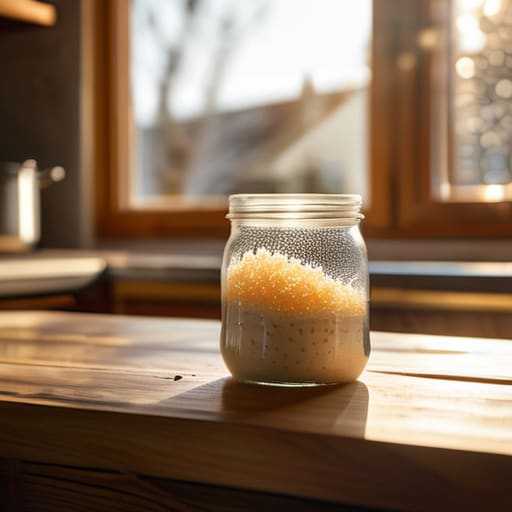
At the end of the day, maintaining a starter isn’t about following a rigid, mathematical schedule that leaves you feeling like a slave to a jar of flour and water. It is about understanding that relationship between your hydration levels and the ambient temperature of your kitchen. If you have mastered your ratios and you are watching for those tells—the way the bubbles cluster at the edges or how the surface tension changes after a feeding—then you have done the hard work. Remember that a starter is a living, breathing thing; it will slow down when the house gets cold and it will race when the summer heat hits. Don’t panic when it doesn’t behave exactly like the picture in a book, because consistency is born from observation, not from a stopwatch.
I have spent more years than I care to count watching dough rise in the dim light of a pre-dawn kitchen, and if there is one thing I have learned, it is that patience is your most vital tool. You cannot bully a culture into being active, and you certainly cannot rush the fermentation process without paying for it in the final loaf. Treat your starter with a bit of respect, listen to what the texture is telling you, and eventually, it will reward you with a depth of flavor that no commercial yeast could ever dream of mimicking. Now, stop overthinking the numbers and go feel the dough.
Frequently Asked Questions
My starter smells like vinegar or acetone and isn't rising much; did I kill it, or is it just hungry?
Don’t panic; you haven’t killed it, you’ve just neglected it. That sharp, acetone sting is the smell of a starter that has run through its food and is starving. It’s not dead, it’s just exhausted. When the acidity climbs too high, the yeast slows down, which is why you aren’t seeing that lovely rise. Stop the scheduled feedings for a moment and give it two or three strong, 1:2:2 feedings. It needs more flour and water to balance that acid out.
If I want to go away for a week, can I leave it on the counter, or is the fridge the only way to keep it from turning into a puddle?
Leave it on the counter for a week? You’ll come home to a puddle of grey vinegar and a very disappointed kitchen. If you’re heading out, the fridge is your best friend, but don’t just shove it in there and forget it. Feed it a hearty, stiff meal—think 70% hydration—to slow things down, then tuck it in the cold. It’ll sleep soundly, waiting for you to wake it up when you return.
I've noticed a dark liquid forming on the surface—is that mold I need to throw the whole thing away for, or is it something else?
Don’t panic; you haven’t killed it. That dark liquid is just “hooch.” It’s essentially alcohol, a byproduct of your starter being hungry and fermenting more than it can consume. It isn’t mold—mold is fuzzy, colorful, and smells like a damp basement. This just smells sour or boozy. Pour it off or stir it back in if you want a sharper tang, then feed your culture. It’s just telling you it’s time to eat.