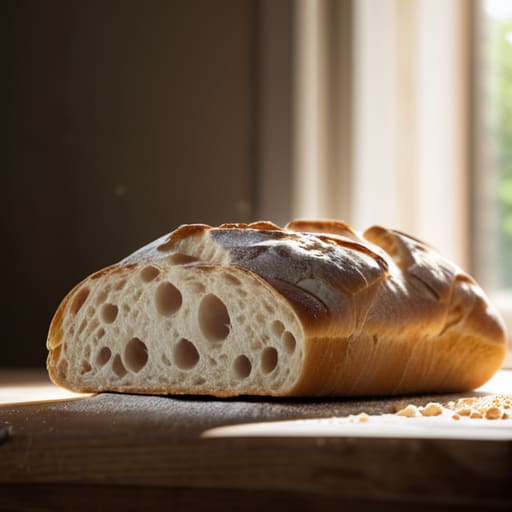
I remember standing before my old wood-fired oven at four in the morning, the air thick with the scent of singed flour and anticipation, watching a loaf struggle under a dry heat. It looked stunted, its crust setting too early like a tight, suffocating skin, preventing the bread from reaching its full potential. People will try to sell you expensive, specialized steam injectors or fancy gadgets to fix your crust, but they’re missing the point entirely. Understanding how steam changes a bake isn’t about buying more gear; it’s about realizing that moisture is what allows the dough to breathe and expand before the heat locks it into place. Without that brief moment of humidity, you aren’t baking bread; you’re just toasting a brick.
I’m not here to give you a list of kitchen appliances you don’t need. Instead, I want to show you how to manipulate the environment you already have to get that professional, shattering crust and deep oven spring. We are going to talk about the physics of moisture and why a dry oven is nothing more than a cage for a loaf that wants to rise. I’ll tell you exactly what to look for in the oven window so you can stop guessing and start trusting your eyes.
The Oven Spring Mechanism and the Lie of Dry Heat
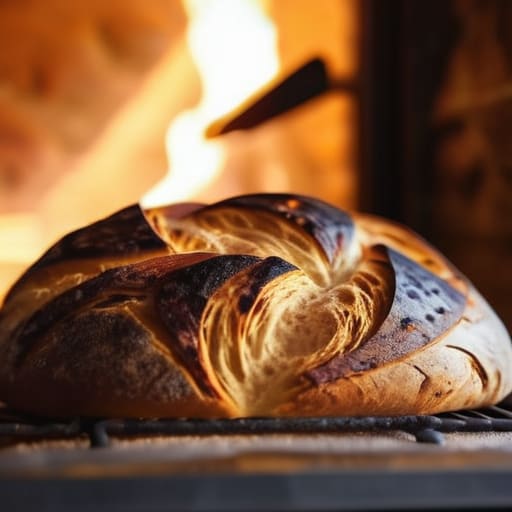
When you slide that loaf into a hot oven, you’re essentially starting a race. The gases inside the dough—the carbon dioxide your yeast worked so hard to produce—want to expand rapidly. This is the oven spring mechanism in action, and it’s the most frantic, beautiful moment in a loaf’s life. But if the air in your oven is bone-dry, the surface of your dough will seize up and harden almost instantly. It forms a premature skin that acts like a tight, restrictive sweater, pinning the bread down and preventing it from reaching its full potential. You end up with a dense, stunted loaf that never quite found its breath.
By introducing steam, you’re essentially keeping the dough’s skin supple and elastic for those first crucial minutes. This moisture allows the gases to push outward without resistance, giving you that glorious, wide expansion. More importantly, that steam facilitates bread crust gelatinization, where the starches on the surface turn into a thin, translucent film. This isn’t just about height; it’s what creates that thin, crackling, professional artisan bread crust texture that shatters when you bite into it, rather than a thick, leathery shell that fights your teeth.
Bread Crust Gelatinization When Moisture Becomes Glory
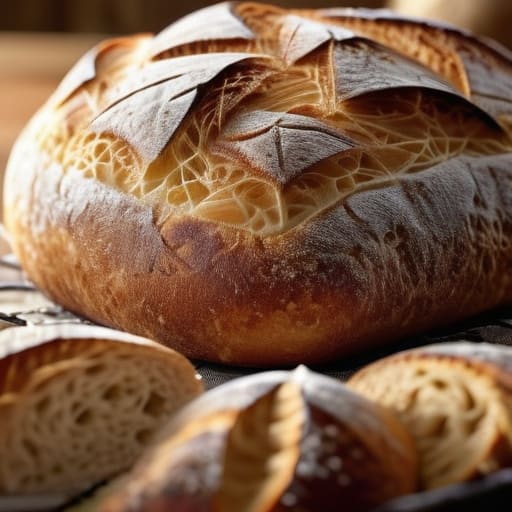
Now, if you think steam is just about preventing a hard shell, you’re missing the most beautiful part of the chemistry. While we’ve talked about the physical expansion, we need to talk about what’s happening to the surface itself. When you introduce that cloud of moisture, you’re facilitating bread crust gelatinization. Instead of the surface drying out and forming a rigid, dull skin immediately, the steam keeps the outer layer of the dough supple and saturated with moisture. This allows the starches on the very surface to swell and gelatinize, creating a thin, translucent layer that eventually sets into that thin, crackly sheen we all crave.
It is the difference between a loaf that sounds like a hollow drum when tapped and one that sounds like breaking glass. Without that initial moisture, you end up with a thick, leathery exterior that fights the eater. But with proper moisture control in bread making, that gelatinized layer transforms during the final stages of the bake into a windowpane of crispness. It’s a delicate dance; you want the moisture to do its work early, then let the dry heat finish the job so the crust can truly sing.
Five Ways to Stop Starving Your Crust
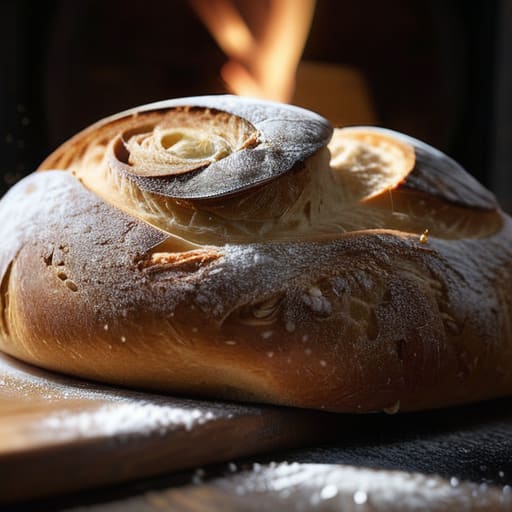
- Don’t just spray and pray. If you’re using a spray bottle, you need a fine mist that coats the air, not heavy droplets that hit the dough like rain on a windshield; you want a humid atmosphere, not a soggy mess that ruins your tension.
- The heavy pot trick is your best friend if you aren’t running a deck oven. A Dutch oven traps the moisture escaping from the dough itself—that’s its own little microclimate—and it’s much more reliable than trying to guess if your oven is humid enough.
- Watch your timing, because steam is a fleeting thing. The second that door opens and the steam escapes, the clock starts ticking on crust formation; if you linger too long admiring your work, you’ve just let the heat and the humidity vanish into the kitchen.
- If you’re using a tray of lava rocks or boiling water in a professional-style home oven, make sure that water is actually boiling when it hits the heat. Cold water won’t give you that instant burst of vapor you need to keep the surface of the dough supple while it’s trying to expand.
- Remember that steam is a bridge, not a destination. You use it to keep the dough flexible during the spring, but you must vent that moisture toward the end of the bake; if you don’t let the steam out, you’ll end up with a crust that’s leathery and dull instead of crisp and shattering.
The Baker's Truths
If you bake in a dry oven, you’re essentially building a cage; steam keeps the surface supple long enough for the dough to actually expand into the loaf it wants to be.
Don’t mistake a thick, hard crust for a good one—true glory comes from that thin, crackling layer that only happens when moisture hits the starch just right.
Steam isn’t a luxury or a fancy trick for professionals; it is the difference between a loaf that looks tired and one that truly sings when you tap the bottom.
The Final Proof
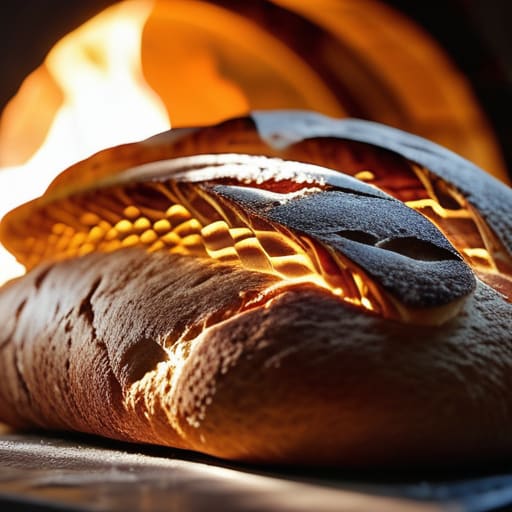
So, if you find yourself staring at a loaf that looks stunted and dull, don’t go blaming your flour or your starter. Most of the time, you’ve simply failed to give that dough the atmosphere it needs to thrive. By introducing steam, you aren’t just adding moisture; you are managing the thermal environment and delaying that crust from setting too early. You are giving the bread the freedom to expand, to gelatinize that starch into a shimmering, golden glory, and to achieve that shatteringly crisp texture that a dry oven will never permit. It is the difference between a loaf that merely exists and one that truly performs.
At the end of the day, baking is a conversation between you and the living things in your kitchen. Some days the humidity in the air will do half your work for you, and other days you’ll have to fight for every inch of oven spring with a tray of hot water or a spray bottle. Don’t get discouraged when a bake doesn’t look like the glossy pictures online. Just look at the crumb, listen to the crackle of the crust as it cools, and remember that patience and steam are the two things that turn a simple mixture of flour and water into something worth sharing. Now, go get your hands floury and try again.
Frequently Asked Questions
I don't have a professional deck oven, so how can I get enough steam in a standard home oven without turning my kitchen into a sauna?
Look, I didn’t have a deck oven in my kitchen either, and I certainly didn’t want my house smelling like a damp basement. Forget the spray bottle; it’s too inconsistent. Instead, grab a heavy cast iron Dutch oven. Slap your dough in there with the lid on tight. That lid traps the moisture the dough itself breathes out, creating its own little micro-climate. It’s honest work, and it keeps the steam exactly where it belongs: right against the crust.
If I'm using a spray bottle or a tray of water, how long do I actually need to keep that steam in there before I vent the oven?
Listen, if you’re just using a tray of water or a quick spritz, don’t go rushing to open that door. You want to keep that steam trapped for at least the first fifteen to twenty minutes. If you vent too early, the crust sets prematurely—it’s like putting a lid on a pot before the water’s even boiled. Give the dough its time to expand and the moisture to do its work before you let the heat dry it out.
Will adding too much moisture or being too aggressive with the steam ruin the crust's crispness once the loaf comes out?
Listen, you can’t drown a loaf, but you can certainly smother it. If you keep that steam running too long or dump a bucket of water in without letting the oven breathe, you’ll end up with a crust that’s leathery rather than crisp. It’s about the transition. You want the moisture to do its work while the dough is expanding, but once that structure is set, you must vent it. If you don’t let the steam escape, you’re just steaming a bun instead of baking a loaf.