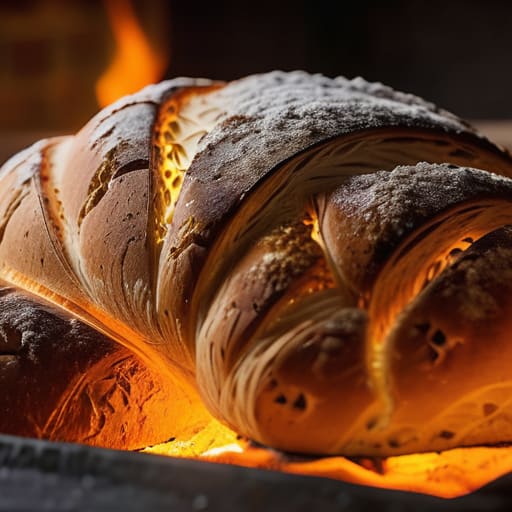
I remember a Tuesday in mid-January, back when I was still running the shop, staring at a bowl of dough that felt more like a block of ice than a living thing. The radiator was clanking, my hands were numb, and the clock was mocking me because the recipe said the dough should have doubled by now. Most people will tell you to buy a specialized proofing box or a heated proofer to solve your problems, but that is just more expensive clutter for your counter. The truth about how to prove dough in a cold kitchen isn’t found in a gadget; it’s found in understanding that yeast is a living creature that reacts to its environment, not a timer on a machine.
I am not going to give you a list of fancy tools you don’t need or tell you to follow a rigid schedule that ignores the reality of your home. Instead, I’m going to teach you how to listen to the dough and adjust your variables—temperature, hydration, and time—to suit the room you’re standing in. We are going to stop fighting the frost and start working with it, using nothing more than a bit of common sense and the warmth of your own intuition.
Understanding Yeast Activity in Low Temperatures
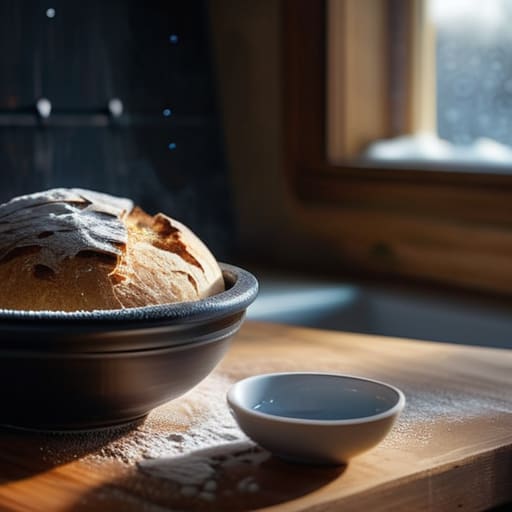
You have to understand that yeast isn’t a machine you can just switch on; it’s a living, breathing thing that reacts to its surroundings just like we do. When the air in your kitchen drops, those tiny organisms don’t just stop working, they simply move in slow motion. Most people see a dough that isn’t budging and assume the yeast is dead, but usually, it’s just shivering. This is where yeast activity in low temperatures becomes a game of observation rather than a race against a timer.
If you try to force the issue by cranking up the heat or adding more yeast, you’ll end up with a loaf that tastes like nothing but nothingness. Instead, I prefer looking at this as a chance for slow fermentation techniques to do the heavy lifting. When the temperature stays low, the yeast works more deliberately, allowing the enzymes to break down starches into sugars more thoroughly. This isn’t a failure of the recipe; it’s actually a gift. You’re essentially retarding dough for flavor development, trading a quick rise for a complex, nutty depth that you simply cannot cheat your way into with a warm oven and a rushed schedule.
Slow Fermentation Techniques Over Rushed Results
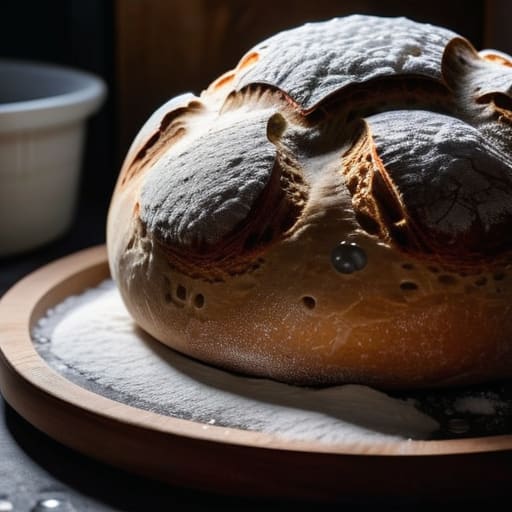
Most people treat a slow rise like a problem to be solved, but in a chilly kitchen, it’s actually your greatest ally. When the air is biting, you can’t force the dough to perform on a schedule; you have to negotiate with it. Instead of trying to find a way to speed things up, I suggest leaning into slow fermentation techniques that let the yeast work at its own leisurely pace. If you try to cheat by cranking up the oven or putting the bowl on a radiator, you’ll end up with a loaf that tastes like nothing but air and disappointment.
The secret is understanding that cold is a flavor builder. When you are essentially retarding dough for flavor development, the enzymes have time to break down the starches into sugars that the yeast can actually enjoy later. This isn’t just about waiting; it’s about the transformation of the crumb. Don’t look at your watch and panic because the dough hasn’t doubled in an hour. If it feels sluggish, let it be sluggish. A dough that takes its time in a cool room will always have more character than one that was rushed through a warm bath.
Five Ways to Keep Your Dough from Falling Asleep
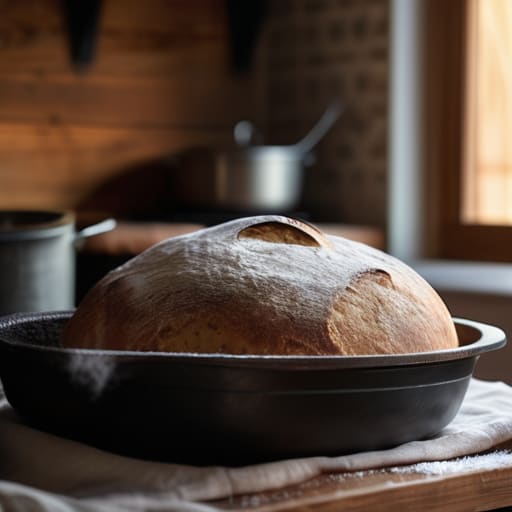
- Stop trusting your kitchen clock and start trusting your fingertips; if the room is chilly, that dough isn’t going to rise in an hour just because a book says so, so poke it gently and wait until it springs back like a soft sponge.
- Warm your water to a precise 28°C before mixing, which helps nudge the yeast into action right from the start, but don’t you dare go higher or you’ll scald the life right out of it.
- Find a pocket of warmth that isn’t the oven, like the top of the refrigerator or a cupboard near the stove, and tuck your bowl in there—just make sure there isn’t a draft hitting it, or you’ll kill any progress you’ve made.
- If your kitchen is truly stubborn about its temperature, turn off the air conditioning or close the heavy curtains to trap what little heat you have, creating a little micro-climate for your dough to work in.
- Don’t be afraid to slightly increase your yeast percentage—maybe by just an extra 0.5% of the total flour weight—if you know for a fact you’re working in a drafty house, but remember that more yeast is no substitute for the time it needs to develop flavor.
The Baker's Essentials for a Chillier Kitchen
Stop trusting the clock and start trusting your senses; if the dough feels tight and lifeless instead of pillowy and springy, it hasn’t finished its work, regardless of what the timer says.
Control your environment without fighting it—use a warm spot like the inside of a turned-off oven with a bowl of steaming water, but never force the heat, or you’ll kill the very life you’re trying to encourage.
Remember that hydration is your friend when the air is biting; a slightly wetter dough (aim for that 75-78% range) often handles the sluggishness of a cold room better than a stiff, dry mass.
The Baker's Final Word
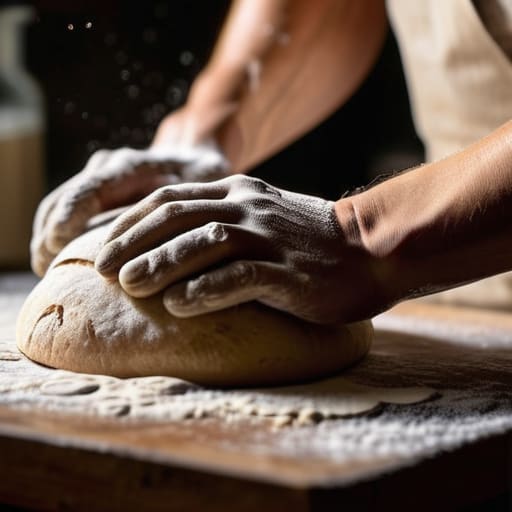
At the end of the day, fighting a cold kitchen isn’t about finding a magic trick or a fancy proofing box; it is about listening to the dough. You have to remember that if you’ve adjusted your hydration to compensate for the chill, or if you’ve moved your bowls to the warmest corner of the room, you are simply working with the reality of your environment. Don’t let a timer dictate your success. If the dough feels tight and lifeless, it isn’t ready, no matter what the clock says. Success in a cold house comes down to trusting your hands over your gadgets, ensuring the yeast has the warmth and the time it needs to do its heavy lifting.
I know it is frustrating to watch a recipe take three hours longer than promised when you just want to eat, but that extra time is where the flavor lives. A slow, cold ferment develops a depth of character that a rushed, warm proof can never touch. So, when the wind is howling outside and your kitchen feels more like a larder than a bakery, don’t panic. Just turn up the lights, check your temperatures, and embrace the slow pace. There is a quiet, profound beauty in a loaf that took its time to grow, and I promise you, it will be worth every extra minute of waiting.
Frequently Asked Questions
If I decide to use a warm spot like the oven with the light on, how do I stop the dough from getting too hot and killing the yeast?
The oven light is a lovely little trick, but it’s a temperamental one. That tiny bulb can turn a cozy nook into a sauna faster than you can say “over-proofed.” Don’t just shove it in and walk away. Stick a thermometer in a glass of water next to the bowl; if that water feels hot to your touch, your dough is heading for the danger zone. Aim for a steady 26-28°C. If it climbs higher, pull it out.
My dough feels much tighter and harder than usual because of the chill; should I try to knead it more to warm it up, or will that just ruin the structure?
Don’t you dare touch it with more kneading. You’ll just exhaust the gluten and end up with a dense, tight brick. That hardness isn’t a lack of work; it’s just the cold tightening the protein bonds and slowing everything down. Instead of working the dough, work the room. Put it in a turned-off oven with a bowl of steaming water. Let the warmth find the dough; don’t try to force it with your hands.
How can I tell if the dough has actually finished its rise when it’s taking twice as long as the recipe says it should?
Forget the clock; it’s lying to you. When the air is cold, time becomes a suggestion rather than a rule. Instead, use your hands. Gently press the dough with a floured finger—about half an inch deep. If it springs back slowly and leaves a slight indentation, it’s ready. If it snaps back instantly, it’s still sleeping. If it collapses, you’ve waited too long. Trust the spring, not the timer.