I remember standing in my shop at four in the morning, thirty years ago, staring at a batch of sourdough that looked more like a puddle of grey glue than a loaf of bread. I had followed a recipe to the letter, but I had used a weak, low-protein flour that simply didn’t have the backbone to hold the gas. People spend far too much money on “artisan” blends and fancy imported sacks, never realizing that the real secret to understanding how flour types differ isn’t found in a marketing brochure, but in the strength of the protein and how it reacts to the water you pour into it.
I’m not here to sell you a subscription to a luxury mill or tell you that you need a professional-grade laboratory to bake a decent loaf. What I’m going to do is strip away the jargon and tell you exactly what is happening inside your dough when you switch from bread flour to pastry flour. We are going to talk about absorption rates and gluten development—the real stuff that determines whether your crust crackles or your cake collapses. By the time we’re done, you won’t need a recipe to tell you if your flour is right; you’ll be able to feel it in your hands.
Wheat Varieties for Baking and the Soul of the Grain
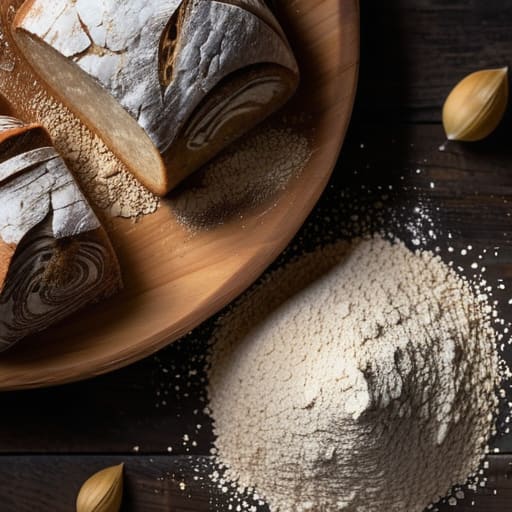
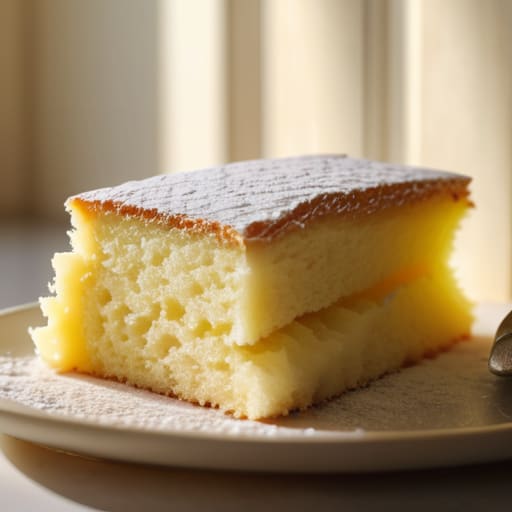
You can’t just treat every bag of white powder like it’s the same, and if you try, you’re going to end up with a loaf that’s either a brick or a puddle. When we talk about wheat varieties for baking, we aren’t just talking about labels; we’re talking about the character of the grain itself. Hard wheats, like those used for most bread flours, are the workhorses. They have the structural integrity needed to hold those lovely air pockets we all crave. Soft wheats, on the other hand, are much more delicate—think of them as the gentle souls of the grain, perfect for a tender sponge where you don’t want any fighting back.
It really comes down to how much strength you need. If you’re looking at the gluten content in flour, you’ll notice that the harder the wheat, the more “muscle” it brings to the table. This is the fundamental difference between a heavy, crusty sourdough and a crumbly tea cake. It’s not just about the name on the bag; it’s about understanding whether that grain is meant to stand tall or melt in your mouth.
Milling Process Differences That Determine Your Loafs Fate
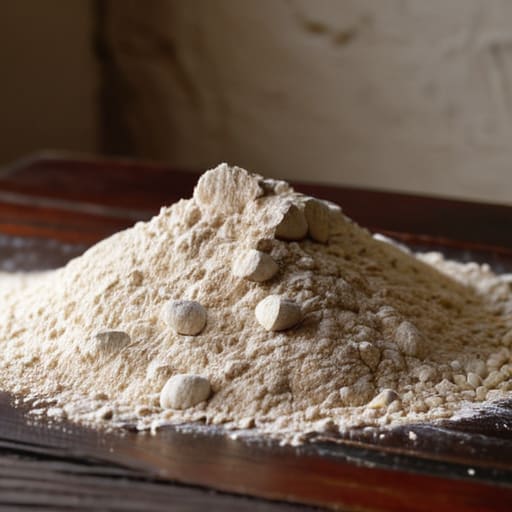
You can buy the finest organic wheat in the world, but if it’s been pulverized by a high-speed industrial roller mill, you’ve lost the soul of the grain before you even reach for your mixing bowl. Most supermarket flour is stripped and processed to be as consistent and sterile as possible, which is fine for a factory, but it leaves us with a product that has no character. When we talk about milling process differences, we are really talking about how much of the grain’s life is left intact. Stone-ground flour, for instance, keeps the germ and the bran more present, which affects everything from the color to how quickly your dough ferments.
It also changes the ash content in flour, which is a fancy way of saying how much of the mineral-rich bran remains in the final powder. A higher ash content means a darker, more nutritious loaf, but it also means the dough will behave differently under your hands. If you’re used to the predictable, bleached lightness of standard all-purpose flour, a stone-ground rye or whole wheat will feel like a completely different animal—heavier, thirstier, and much less forgiving of a rushed proof.
Five Things Your Flour Bag Isn't Telling You
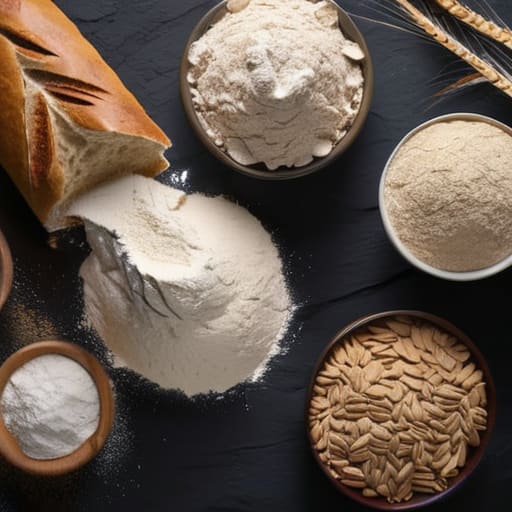
- Stop treating all white flour like it’s the same; if you’re trying to build a structure for a high-hydration sourdough, you need the protein strength of a bread flour, not the weak, limp stuff you use for shortbread.
- Watch your hydration levels like a hawk when switching brands; one bag might swallow 65% water and still feel stiff, while another will turn into a soup at the same percentage because the absorption capacity is different.
- Don’t go chasing “whole wheat” just because it sounds healthy if you haven’t adjusted your water; those bran particles act like little sponges that will suck the life out of your dough if you don’t give them enough to drink.
- If your dough feels like it’s fighting you, check your flour’s age—flour that’s been sitting in a warm pantry for months loses its vitality, and no amount of extra kneading will make it rise like it used to.
- Learn to trust your hands over the scale when you’re experimenting with different blends; a mix of pastry and bread flour might call for 70% hydration on paper, but if it feels tacky and unmanageable, add a dusting more flour and stop fighting the reality of the grain.
What to Carry in Your Flour Bin
Stop treating all white flour as equals; if you’re aiming for a sturdy sourdough, you need the strength of high-protein bread flour, not the delicate, low-protein structure of pastry flour that will collapse under its own weight.
Respect the mill; a stone-ground flour carries more soul and more nutrients, but it also absorbs water differently than the highly processed, bleached stuff, so expect to adjust your hydration percentages accordingly.
Watch the protein, not the label; don’t just trust a bag because it says “baking flour”—look at what it’s actually capable of holding together, because a recipe is just a suggestion if your flour doesn’t have the backbone to support the water.
Beyond the Bag
At the end of the day, choosing your flour isn’t about following a strict rulebook; it’s about understanding the relationship between protein, extraction, and the moisture you’re about to introduce. You now know that a high-protein bread flour will give you the structure to stand tall, while a lower-protein pastry flour will yield that delicate, short crumb you’re after. You understand that the way a grain is milled—whether it’s stripped clean or left with its hearty, nutritious bran—dictates how much water your dough will actually drink. Remember, if your dough feels slack or won’t hold its shape, don’t just blame the recipe; look at your flour and your hydration levels first.
I spent thirty-four years watching people get frustrated with “bad” recipes, only to realize they were simply fighting against their ingredients. Once you stop treating flour as a mere white powder and start seeing it as a living component with its own temperament, the magic happens. Don’t be afraid to experiment, to get your hands messy, or to fail a few times when you try a new grain. Baking is a conversation between your hands and the grain, and the more you listen to what the flour is telling you, the better your bread will become. Now, put the measuring cups away, grab your digital scale, and go see what your dough has to say.
Frequently Asked Questions
If I'm using a flour with a higher protein percentage, do I need to adjust my hydration to keep the dough from feeling like a brick?
Absolutely. If you jump from an 11% protein flour to a 13% without adjusting, you’re going to end up with a ball of dough that fights you every step of the way. Higher protein means more thirsty starch; it’s going to soak up that water like a sponge. Don’t be afraid to nudge your hydration up by 3% or 5%. You want it to feel supple and alive, not like a stiff lump of clay.
Can I actually swap out bread flour for all-purpose in my sourdough, or am I just asking for a collapsed loaf?
You can swap them, but don’t expect a miracle. If you switch to all-purpose, you’re dropping your protein percentage, which means less structural integrity. To keep that sourdough from turning into a pancake, you’ll likely need to dial your hydration down by about 3 or 4 percent. All-purpose just can’t hold as much water as bread flour can. If the dough feels slack and unmanageable, don’t blame the starter—blame the lack of strength.
Does it really matter if the flour is "freshly milled" versus what I buy in a bag at the supermarket, or is that just marketing nonsense?
It’s not just marketing, but don’t go buying a mill just yet. Supermarket flour is dead; it’s been stripped and bleached to live forever on a shelf. Freshly milled flour is alive—it’s got the oils and the soul of the grain still intact. It absorbs water differently, often needing more to reach that 75% hydration you’re aiming for. It’s more temperamental, certainly, but the flavor? You can’t find that in a plastic bag.