I once saw a woman in my village spend forty pounds on a specialized, padded thermal carrier just to move a simple sponge cake to a tea party, as if she were transporting a delicate organ for transplant. It’s a ridiculous way to think about it. People get so caught up in buying expensive gadgets that they forget the most important tools are their own eyes and a steady hand. When you are learning how to transport a decorated cake, you don’t need a high-tech solution; you need to understand the physics of the road and the temperament of your frosting.
I’m not going to sell you on fancy plastic crates or miracle stabilizers. Instead, I’m going to tell you what I learned during thirty-four years of dodging potholes and sudden stops in a delivery van. We are going to talk about temperature, the importance of a level floor, and why you should treat that cake like a sleeping child. I promise to give you the unvarnished truth about keeping your work intact, focusing on the practical reality of the journey rather than the polished perfection you see in magazines.
Cake Leveling and Stability a Solid Base for Unsteady Roads
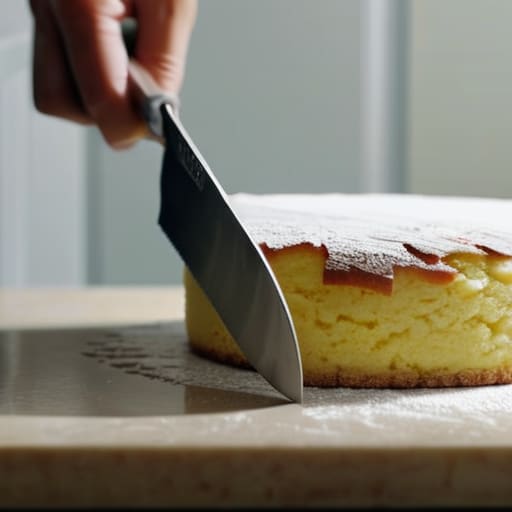
You can have the most exquisite piping in the world, but if your foundation is wonky, you’re just driving a disaster to the party. Before you even think about the car, you must focus on cake leveling and stability. I’ve seen too many beautiful tiers lean like the Tower of Pisa because someone was too lazy to trim the domes. Use a serrated knife to ensure every layer is perfectly flat; if one side is even a fraction higher than the other, the physics of a turning corner will do the rest of the damage for you.
Once your layers are stacked, don’t just trust the frosting to hold them. A few hidden dowels or even a sturdy straw through the center can act as an anchor. When it comes to the actual journey, preventing cake sliding in car starts with what’s underneath the board. I always keep a non-slip mat for cake boards in my kit—it’s nothing fancy, just a bit of textured silicone that grips the floor of the car so the cake doesn’t become a passenger in the footwell.
The Essential Non Slip Mat for Cake Boards
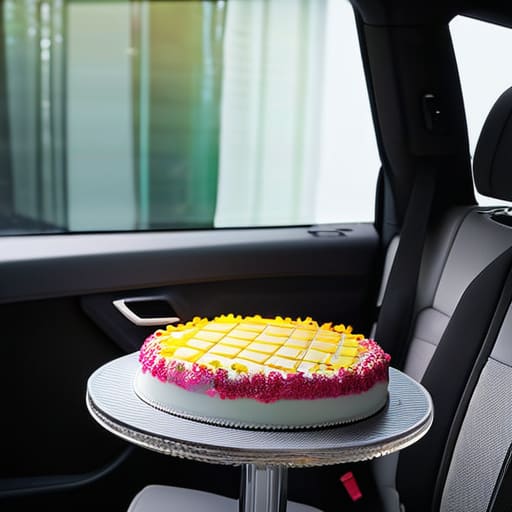
If you think a heavy cake board will stay put on a car seat just because it’s heavy, you’re in for a heartbreak. I’ve seen more beautiful work end up as a pile of crumbs in a passenger footwell than I care to admit, and usually, it’s because someone relied on gravity alone. You need a non-slip mat for cake boards—something simple like a silicone baking mat or even a piece of shelf liner—to wedge between your board and the surface you’re placing it on. It creates just enough friction to stop that slow, agonizing drift every time you take a corner too fast.
When you are preventing cake sliding in car, remember that the floor of the vehicle is often your best friend. It’s flatter and more stable than a tilted seat, provided you can get the box down there. Once that mat is in place, the cake won’t wander, but don’t get complacent. Even with a grip, you still have to drive like you’re carrying a tray of full wine glasses. A little bit of friction goes a long way, but it isn’t a substitute for a steady foot on the brake.
Five Ways to Keep Your Cake from Becoming a Pile of Crumb and Cream
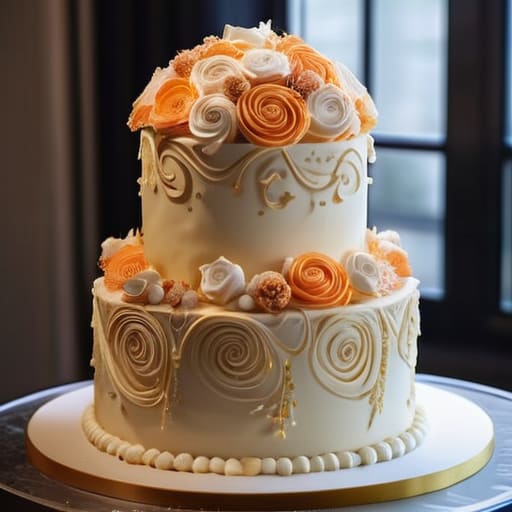
- The Floor is Your Best Friend, Not the Seat. I’ve seen too many people try to put a cake on a car seat, thinking it’s a nice flat spot. It isn’t. Car seats are slanted, they’re soft, and they tilt every time you take a corner. Put the cake on the floor of the passenger side. It’s the flattest, most stable place in the car, and it stays relatively cool.
- Stop the Sudden Brakes. You aren’t driving a delivery van; you’re transporting something that has spent hours being carefully built. Every time you slam on the brakes or swerve to avoid a pothole, you’re asking the buttercream to fight physics. Drive like there’s a bowl of water on your dashboard that you aren’t allowed to spill.
- Temperature is a Silent Thief. If you’re driving through a heatwave, that cake is going to lose its structural integrity before you even pull into the driveway. If the cake has been chilled, keep it in the car with the air conditioning running, but don’t let it sit directly in the path of a blast of freezing air, which can cause the frosting to crack. You want a steady, cool environment, not a shock.
- The “No-Touch” Zone. Once that cake is in the car, your hands stay off it. I know it’s tempting to nudge it or check if it’s still upright, but every time you touch the board or the side of the cake, you risk a slip or a smudge. Trust the non-slip mat you put underneath it and leave it be until you reach your destination.
- Plan for the Arrival. Don’t pull up to the party and then realize you have to carry a heavy, precarious box through a crowded room of people. Have a clear, flat path ready from the car to the table. If you’re carrying it, hold the base firmly with both hands—never try to carry a cake by the box alone. The box is for protection, not for support.
Three Things to Remember Before You Turn the Ignition
Treat the cake like a sleeping child; keep the car level, avoid the sudden brakes, and remember that once the sugar sets, it won’t forgive a bumpy road.
Gravity is your enemy on a curve, so ensure your cake is anchored to its board and that the board is anchored to the floor of the car, not just sitting precariously on a seat.
Patience is your best tool—if the buttercream feels soft or the kitchen was too warm while you were packing, let it firm up in the fridge before you even think about moving it.
The Final Stretch
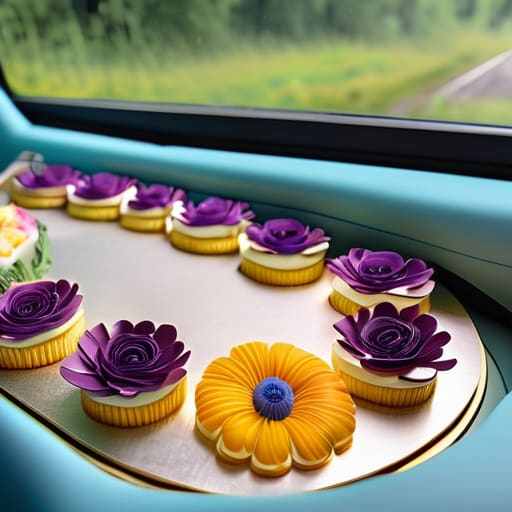
At the end of the day, moving a cake is less about the physics of the car and more about the discipline of the driver. You’ve leveled the base, you’ve secured your non-slip mat, and you’ve likely spent hours perfecting that buttercream or fondant. Don’t let all that work vanish because you decided to take the highway or a sudden sharp turn. Keep the temperature steady, keep the floor flat, and remember that the car is not a bakery; it is a moving obstacle course. If you treat the cake with the same respect you’d give a fragile heirloom, you’ll find it arrives at the table looking exactly as you intended, rather than a slumped heap of sugar and regret.
There will be moments when you’re white-knuckling the steering wheel, praying the passenger seat doesn’t tilt, but try to breathe. Baking is an act of love, and transporting that creation is simply the final, most nerve-wracking stage of the process. Even if a tiny crack appears in the icing or a petal leans a bit too far to the left, don’t let it steal your joy. Most people are there to taste the effort and the flavor, not to perform a structural audit. Take a breath, arrive safely, and remember that the best ingredient you can bring to the party is the pride of having made something beautiful from scratch.
Frequently Asked Questions
What do I do if I realize halfway through the drive that the cake has started to lean or slide?
If you feel that dreaded shift in the car, don’t panic and don’t slam on the brakes. Stop the car immediately. If it’s leaning, you need to get it out of the vehicle and onto a level surface—a flat patch of grass or a sturdy table—before you touch it. Once it’s stable, use a small offset spatula to gently press the layers back into alignment. If it’s sliding, you’re fighting gravity; stop, stabilize, and breathe.
Is it actually safer to put a cake on the floor of the car rather than the passenger seat?
Put it on the floor. I don’t care if it feels undignified; the floor is the only place in a car that doesn’t tilt every time you take a corner. A passenger seat is a tilted, cushioned trap that invites the cake to slide and lean. The floor is flat, stable, and tucked away from the sudden jerks of the brakes. Treat that cake like a precious, sleeping child—keep it low, keep it level, and keep it still.
How do I handle a cake that has delicate buttercream decorations in a car that's running warm?
If your car is running warm, you aren’t just driving; you’re essentially operating a slow-motion oven. Buttercream is a temperamental thing—it’s mostly fat, and fat hates heat. Crank the air conditioning until you’re shivering, and keep the vents pointed toward the floor, not the cake. If the decorations start looking soft or “sweaty,” stop immediately. It’s better to sit in a parking lot for twenty minutes letting the cake chill than to arrive with a puddle of sugar.