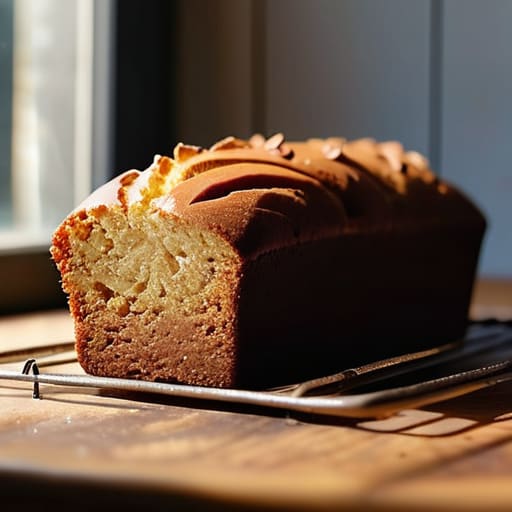
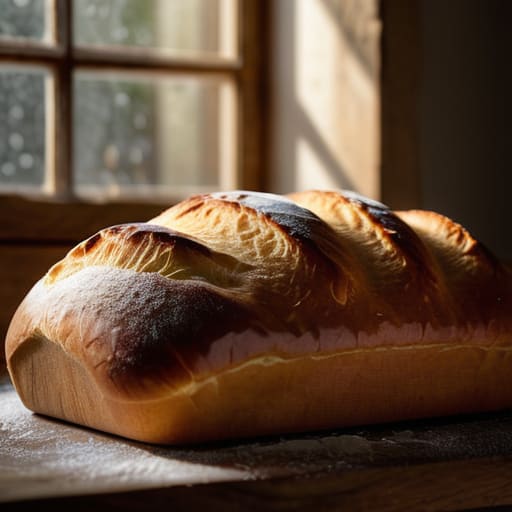
I remember standing in my bakery at four in the morning, thirty years ago, staring at a batch of brioche that felt more like wet clay than dough. I had followed a recipe to the letter, yet the crumb was tight, stubborn, and utterly lifeless. People love to talk about “luxury ingredients” as if a gold-leafed pastry makes a good loaf, but they miss the fundamental science of how fat changes texture in the actual structure of the grain. It isn’t about making things expensive; it is about how a bit of butter or oil acts as a buffer, coating those gluten strands so they don’t fight each other quite so hard.
I am not here to sell you on fancy emulsions or complicated culinary jargon that leaves your kitchen a mess. Instead, I want to show you how to feel the difference in your hands when you’re working with a high-fat dough versus a lean one. We are going to talk about the way lipids soften the bite and create that elusive, tender yield, using weights and percentages that actually make sense. I’ll tell you exactly when a dough is becoming too heavy and when it has reached that perfect, silken state we all strive for.
Understanding Fat Content and Crumb Structure Through Touch
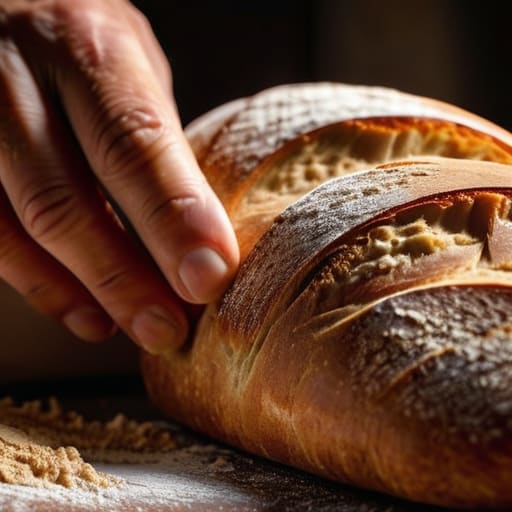
You can’t understand the relationship between fat content and crumb structure by looking at a cross-section through a lens; you have to use your hands. When I was running the shop, I’d pull a loaf from the cooling rack and press a thumb into the side to see what we’d actually achieved. A lean dough—nothing but flour, water, salt, and a bit of yeast—feels springy and resistant, like a well-tuned drum. But the moment you introduce lipids, that resistance softens. You’re looking for a specific kind of yielding tension. If the crumb feels tight and bouncy, you’ve kept the structure; if it feels like a heavy, greasy sponge, you’ve overshot your mark and the dough has lost its ability to hold air.
It is all about how the fat coats those tiny starch granules. When you’re working with something like shortening vs butter in baking, you’re essentially deciding how much “shortness” you want in the bite. Butter provides that wonderful, melting richness because of its water content, but it’s the fat itself that acts as a barrier, preventing the gluten from knitting together too tightly. You want a crumb that feels supple and moist, not one that shatters like dry sand or sticks to the roof of your mouth.
The Silent Art of Moisture Retention in Baked Goods
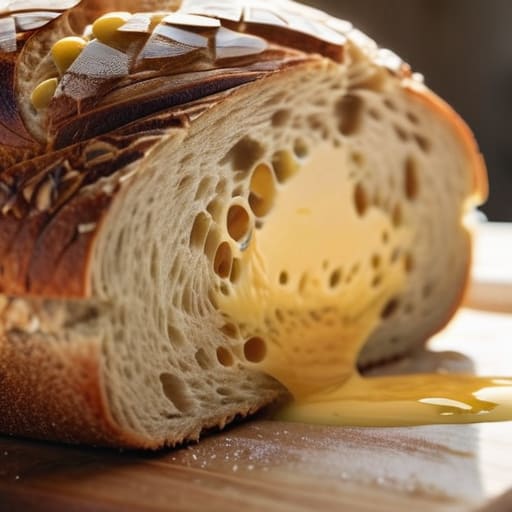
You can have the most perfect fermentation in the world, but if you don’t manage your lipids, your loaf will be a stale brick by tea time. This is where the real magic of moisture retention in baked goods happens. I always tell my apprentices that fat isn’t just for flavor; it acts as a sealant. When you incorporate fat into your dough, you are essentially coating those tiny starch granules, creating a barrier that prevents water from escaping during the bake and, more importantly, prevents it from evaporating once the bread hits the cooling rack.
It is a delicate balance, though. If you lean too heavily on the fats, you’ll find that you’ve traded a good, chewy crust for something that feels unpleasantly damp. I’ve seen many a novice try to fix a dry crumb by simply throwing more oil at it, but they forget that emulsification in dough development is what actually keeps the structure stable. You want the moisture held within the crumb, not just sitting on the surface like a heavy, greasy sponge. It’s about teaching the dough to hold onto its life, rather than just masking dryness with grease.
Five ways to handle fat without losing your soul
- Don’t mistake lubrication for structure. If you’re working with a high-fat dough—say, a brioche at 50% butter—you have to be patient. If you try to develop that gluten while the butter is still warm and slippery, you’ll end up with a greasy, collapsed mess instead of a strong, silky network. Wait until the dough feels tacky and elastic before you start folding in those weights of fat.
- Watch your temperature like a hawk. In my shop, if the butter wasn’t cool but pliable, the whole batch was a write-off. If your fat gets too warm during the mixing process, it coats the flour particles too quickly, preventing them from ever truly hydrating. You want the fat to be an ingredient, not a barrier.
- Use fat to buffer the dry spots. If you find your crumb is turning out brittle or crumbly—what I call “sand in the mouth”—it’s usually because the moisture is escaping too fast. A bit of extra fat acts like a coat of varnish on the inside of the crumb, holding that hydration where it belongs so the bread stays soft for more than a few hours.
- Respect the difference between liquid and solid fats. Oil is a shortcut; it coats the starch and makes for a very soft, immediate crumb, but it lacks the “memory” of solid fats. If you want a loaf that holds its shape and has a certain chew, stick to fats that stay solid at room temperature. They provide the architecture that oil simply can’t.
- Stop looking at the clock and start feeling the tension. When you add fat, the dough will feel different—it will feel less “alive” and more compliant. Don’t panic and add more flour just because it feels soft. That’s the most common mistake I see. Trust the percentages, feel the resistance against your palm, and give the dough the time it needs to incorporate the fat properly.
What to remember when your dough meets the fat
Stop looking at the clock and start looking at the tension; if your dough feels like a heavy, greasy sponge rather than a living, springy thing, you’ve likely over-incorporated your fats or rushed the development.
Remember that fat is a buffer, not a shortcut; it softens the crumb and holds onto moisture, but if you use it to mask poor temperature control or rough handling, you’re just making a rich version of a failure.
Trust your hands over your eyes; a photograph can show you a golden crust, but only your fingers can tell you if the crumb has the structural integrity to yield properly or if it’s just collapsed under its own weight.
The Final Proof
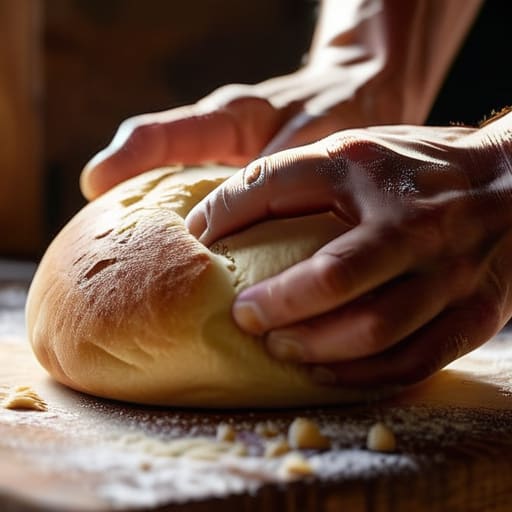
At the end of the day, remember that fat isn’t just an ingredient you toss into a bowl; it is a structural architect. Whether you are working with a lean dough that relies on strength or a rich, enriched dough that asks for suppleness and softness, you must respect how those lipids interact with your flour. We have talked about how fat buffers moisture, how it coats the starch to prevent toughness, and how it changes the very way a crumb yields to the teeth. If your bread feels like a brick, you might have skimped on the fat or handled the dough too roughly; if it feels like a greasy sponge, you likely let the fat overwhelm the gluten network. Watch the dough, not the clock, and pay attention to how the texture shifts under your palms as you work.
Don’t let the science of percentages intimidate you into being afraid of making a mess. Baking is a conversation between your hands and the ingredients, and sometimes, the most important lessons come from a loaf that didn’t turn out quite as the book promised. If a batch comes out too heavy or too crumbly, don’t throw the recipe away—examine the temperature and the timing. Every failed bake is just a way of learning how your specific kitchen behaves. Grab your scale, trust your senses, and remember that the most vital ingredient you will ever use is the patience to let things happen at their own pace.
Frequently Asked Questions
If I'm using a high-fat dough like brioche, how do I know if my kitchen is too warm and the fat is starting to melt into the flour instead of coating it?
If your kitchen is too warm, you’ll feel it in the dough before you see it. A proper brioche should feel like cool, supple clay; if it starts feeling greasy or “slips” through your fingers like wet soap, your butter is melting into the flour. Once that fat integrates too early, you lose the ability to build tension. If the dough feels heavy and limp rather than elastic, put it in the fridge immediately.
Can I swap butter for oil in a recipe without ruining the way the crumb holds its shape, or will it turn into something completely different?
You can swap them, but don’t expect the same soul in the loaf. Butter is a solid at room temperature; it builds structure and holds air pockets in place like tiny scaffolding. Oil is a liquid, plain and simple. If you switch to oil, your crumb will feel much softer and more moist, but you’ll lose that sturdy, pillowy resistance. It’ll be more of a tender cake-like texture than a true bread.
How do I tell the difference between a dough that is rich and soft and one that has simply been over-handled and lost its strength?
You look for the snap. A rich, enriched dough—one with butter or egg—will feel heavy and supple, but it still has a certain “memory.” If you poke it, it should push back with a gentle, elastic resilience. If it’s over-handled, that life is gone. It won’t spring back; it will just slump under your finger like a wet rag, feeling lifeless and slack rather than velvety and strong.