I remember a young man once came into my shop, clutching a high-end recipe book like it was a holy text, insisting his brownies were coming out dry and crumbly despite using the most expensive dark bar he could find. He’d swapped the melted chocolate for a handful of cocoa powder without adjusting a single thing, expecting the same result. That’s the trouble with most modern baking advice; it treats ingredients like interchangeable tokens in a game, completely ignoring how cocoa and chocolate differ in baking. One is a concentrated, lean powder that demands more fat and liquid to behave, while the other is a complex, structural marriage of solids and cocoa butter that carries its own weight.
I’m not here to sell you on fancy brands or tell you that you need a professional kitchen to get this right. I’m going to show you exactly what happens to your ratios and textures when you make that switch, because a recipe is just a suggestion until you understand the chemistry of what’s in your bowl. We’ll talk about the fat, the solids, and the moisture, so you can stop guessing and start baking with intention.
Natural Cocoa vs Dutch Processed Cocoa the Acidity of Truth
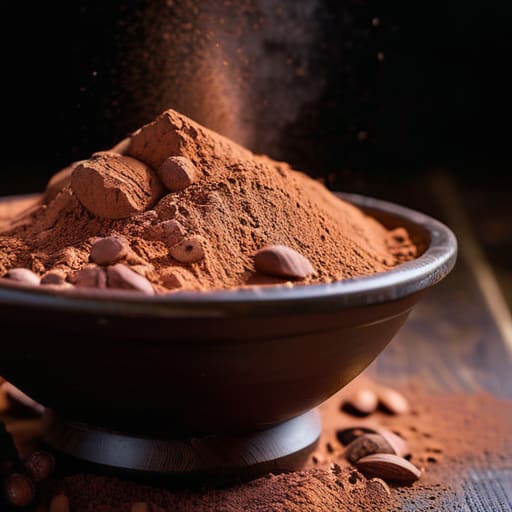
If you pull a tin of cocoa from your pantry, you’d best look at the label before you start weighing things out. There is a fundamental difference between natural cocoa and Dutch-processed cocoa that has nothing to do with flavor and everything to do with chemistry. Natural cocoa is bright, acidic, and sharp—it’s the raw, unadulterated soul of the bean. When you’re baking with unsweetened cocoa powder that falls into this category, you have to respect its acidity. If your recipe calls for baking soda to lift a sponge, that natural acid is what’s going to do the heavy lifting, creating the bubbles that give your cake its life.
Now, Dutch-processed cocoa has been treated with an alkaline solution to mellow that bite. It’s darker, smoother, and much more predictable, but it’s also “dead” in terms of reaction. If you try to swap one for the other without adjusting your leavening, your bake will either be a flat brick or a chemical mess. You aren’t just changing a color; you are changing how the impact of cocoa on cake texture manifests in the oven. Don’t let a label fool you; the acidity is the truth of the bake.
The Fat Content in Baking Chocolate Why Weight Matters
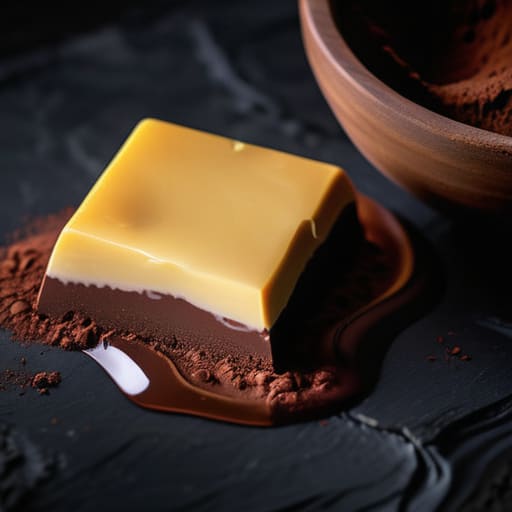
If you’ve ever tried a cocoa powder vs melted chocolate substitution thinking they were two sides of the same coin, you’ve likely ended up with a crumb that is either a dry, sandy mess or a heavy, greasy brick. The difference isn’t just flavor; it’s the physics of the fat. When you use cocoa powder, you are introducing a dry, concentrated essence that demands moisture and fat from elsewhere in your recipe—usually eggs or butter—to keep the structure from collapsing. But when you reach for a bar of chocolate, you aren’t just adding cocoa; you are adding cocoa butter, which is a structural powerhouse.
The fat content in baking chocolate is what dictates how a cake moves from the oven to the plate. Melted chocolate brings a certain richness and a silky, cohesive mouthfeel because that cocoa butter begins to set as the cake cools, giving the crumb a tight, velvety structure. If you try to swap a bar for powder without adjusting your liquids, you’ll find your cake has lost its soul. You have to respect the fat, or the fat will certainly disrespect your bake.
Five ways to stop fighting your ingredients and start listening to them
- Stop treating cocoa powder like a dry flour; it’s a flavoring agent with its own thirst. If you’re swapping a bar of chocolate for cocoa powder, you must account for the missing fat and sugar, or your batter will turn into a crumbly, sad mess that refuses to hold air.
- Respect the pH of your leavening. If you’re using a natural, acidic cocoa powder, your baking soda is going to do the heavy lifting to create lift; if you’ve switched to a Dutch-processed powder, that soda will sit there idle, and your cake will come out as dense as a brick.
- When a recipe calls for melted chocolate, it’s asking for the structure that cocoa butter provides. You cannot simply substitute cocoa powder and a bit of extra oil and expect the same crumb—cocoa butter behaves with a certain elegance when it cools that vegetable oil simply cannot mimic.
- Watch your temperatures like a hawk when working with chocolate. Cocoa powder is forgiving of a warm kitchen, but chocolate is temperamental; if you’re melting it for a ganache or a fold-in, a few degrees too many and you’ve broken the emulsion, leaving you with a grainy sludge instead of silk.
- Trust your hands, not the timer. Because cocoa and chocolate affect moisture differently, you have to feel the tension in your batter. If it feels heavy or sluggish, you’ve likely leaned too hard on the cocoa and not enough on the fats—adjust your hydration by weight, not by guesswork.
The baker's shorthand for cocoa and chocolate
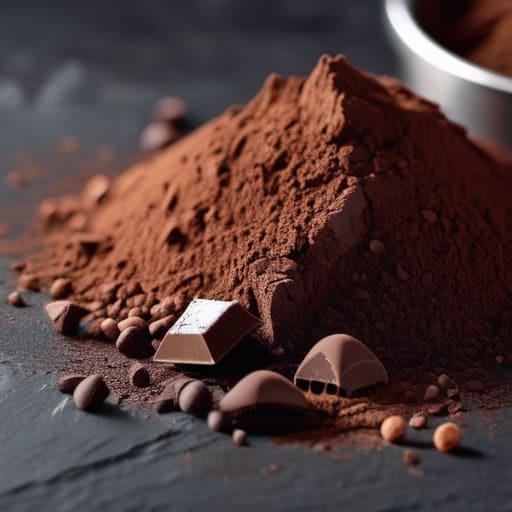
Never swap them blindly; cocoa provides the deep, bitter backbone of flavor while chocolate brings the essential fats and structure that hold a crumb together.
Watch your acidity and your fat—if you switch from natural to Dutch-process, or from cocoa to a bar, you’ll need to adjust your leavening and moisture or the bake will simply fall flat.
Stop reaching for the measuring cup; if you want to master the nuance between a powder and a solid bar, you must weigh your ingredients to the gram to account for the way they interact with your flour.
The Baker's Final Word
At the end of the day, stop treating your pantry like a collection of identical powders and bars. If you’re using cocoa, remember that you are working with the concentrated, acidic essence of the bean; it needs the right leavening to lift it. If you’re reaching for chocolate, you aren’t just adding flavor—you are adding fat, sugar, and structural weight that will change the very physics of your batter. You cannot simply swap one for the other and expect the same crumb. You have to respect the chemistry of the ingredients and how they interact with the heat of your oven and the moisture in your bowl.
Don’t let the technicalities intimidate you into staying away from the oven. If a cake comes out a bit too dense or a brownie lacks that certain silkiness, don’t blame your skill; look back at your ratios and ask yourself if you understood the soul of what you were mixing. Baking isn’t about following a set of instructions to the letter; it is about listening to the dough and understanding the tools you have in your hands. Go ahead, get a little flour on your apron, and remember that the best lessons are usually learned when a batch goes slightly sideways.
Frequently Asked Questions
If I swap my cocoa powder for melted chocolate in a recipe, how much do I need to adjust the flour and liquid to keep the structure from collapsing?
You can’t just swap them one-for-one; you’ll end up with a puddle of grease or a brick. If you move from cocoa to melted chocolate, you’re adding a massive amount of fat and sugar. For every 25g of cocoa powder you remove, you’ll need roughly 40g of melted chocolate, but you must then reduce your liquid by about 10% and pull back on the flour slightly to account for the cocoa solids lost. It’s a balancing act of structure versus fat.
Can I use a high-percentage dark chocolate bar to replace cocoa powder, or will the extra cocoa butter make my batter too greasy?
You can’t just swap them and hope for the best. A bar of 70% dark chocolate is a different beast entirely; it’s carrying a heavy load of cocoa butter that cocoa powder simply doesn’t have. If you try to substitute them one-for-one, your batter will turn oily and heavy, losing that lift we’re looking for. If you must use the bar, you’ll need to reduce the fats in your recipe to compensate.
Does the temperature of the chocolate matter when I'm folding it into a delicate sponge, or is it just about the cocoa solids?
Oh, darling, if you think it’s just about the solids, you’re asking for a deflated sponge. Temperature is everything here. If that chocolate is even a few degrees too warm, it’ll melt your precious butter and collapse those air bubbles you worked so hard to whip in. You want it just barely fluid—think the warmth of a palm, not a hot bath. Treat the temperature with as much respect as your hydration levels.