I’ve spent half my life watching people walk into my shop, clutching a smartphone and asking for a “complete guide to flatbreads” that involves expensive stone ovens, fancy imported grains, and a list of equipment that costs more than my first car. It’s nonsense. You don’t need a specialized marble slab or a degree in culinary arts to make a decent piece of bread; you just need to stop treating your kitchen like a laboratory and start treating your dough like a living thing. Most of those glossy guides will tell you that if your bread is tough or won’t bubble, you bought the wrong flour, but they’re lying to you.
I’m not here to sell you a gadget or a complicated ritual. I’m going to give you the truth, written in weights and percentages, because I want you to understand the rhythm of the dough rather than just following a list of instructions. We are going to talk about hydration, the heat of your pan, and why your hands are more important than any thermometer. By the time we’re done, you won’t be looking for a recipe—you’ll be looking at the dough and actually knowing what it needs.
Choosing the Right Flour Types for Flatbread
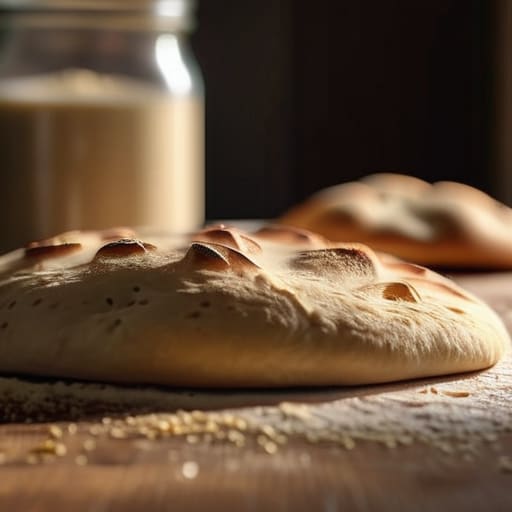
If you go into a shop looking for “flatbread flour,” you’ll likely find nothing but confusion. Most people reach for all-purpose, thinking it’s a safe bet, but they forget that flour is a living thing with varying strengths. For the most traditional flatbread varieties, I always look at the protein content first. If you are making something like a naan that needs a bit of a lift, you want a bread flour with a higher protein percentage—something around 12% to 13%. This gives the dough the structure it needs to hold those lovely air bubbles.
On the other hand, if you are aiming for something more delicate, like a soft tortilla or a thin chapati, a lower protein flour is your friend. You don’t want a tough, rubbery disk; you want a dough that yields to the tooth. When choosing between different flour types for flatbread, remember that the absorption rate will change. A high-protein flour will drink up more water, so don’t be surprised if your hydration needs to climb from 60% to 65% just to get that silky, extensible feel. Trust the dough’s thirst, not just the numbers on the bag.
Leavened vs Unleavened Bread the Truth of Time
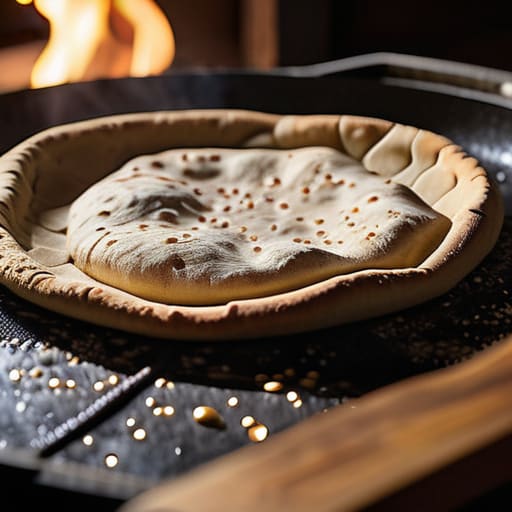
Now, don’t let the terminology intimidate you. When people talk about leavened vs unleavened bread, they are really just talking about whether you are inviting biology to dinner or not. Unleavened breads—think of your basic matzo or certain styles of tortilla—are honest, simple things. They rely on the immediate heat of the pan to do their work. There is no waiting for bubbles, no watching a clock, and certainly no fussing with proofing baskets. You mix your flour and water, perhaps a touch of fat, and you get to work. It is a direct conversation between the dough and the flame.
Leavened flatbreads, however, are a different beast entirely; they require you to surrender control. Whether you are using a sourdough starter or a pinch of commercial yeast, you are essentially managing a living culture. These traditional flatbread varieties, like naan or pita, need time to breathe and expand. If you try to treat a leavened dough like an unleavened one by rushing the process, you’ll end up with a heavy, dense disc that refuses to puff. You cannot shortcut the gas production; you can only provide the warmth and the patience required to let it happen.
The Hands, the Heat, and the Things They Don't Tell You
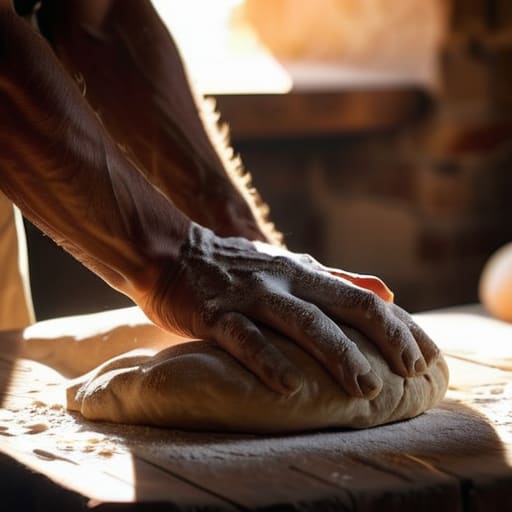
- Stop looking at the clock and start looking at the dough. If you’re making a leavened flatbread and it hasn’t doubled in size, don’t you dare assume the recipe is broken; your kitchen is likely five degrees colder than you think it is. A dough that’s stubborn isn’t “bad,” it’s just sleeping.
- Hydration is everything, and if you’re using a scale, you’ll see why. For a soft, pliable flatbread, I aim for 65% to 70% hydration. If you try to roll out a dough that’s too dry because you were afraid of the stickiness, you’ll end up with something closer to a cracker than a bread, and no amount of butter will save it.
- The pan is your oven, so treat it with respect. Whether you’re using a cast iron skillet or a heavy griddle, it needs to be screaming hot before that dough hits the surface. If the bread doesn’t puff and sear immediately, your pan was too cool, and you’ve just spent ten minutes steaming the dough instead of cooking it.
- Give the gluten a rest. I don’t care how much you want to get to the eating part; if you try to roll out a dough the second you’ve finished mixing it, it will fight you every step of the way. Let it sit for at least twenty minutes. You’ll feel the tension leave the dough, and it will behave like a dream under your rolling pin.
- Use your sense of touch, not your eyes. A perfect flatbread dough shouldn’t feel like play-dough or stiff clay; it should feel supple, slightly tacky, and alive. If it feels tight and springy like it’s trying to pull away from your fingers, it needs more time to relax or a touch more water.
The Baker’s Essentials
Forget the measuring cups and the glossy photos; if you want a flatbread that actually behaves, you must master your hydration percentages and learn to feel the tension in the dough with your own palms.
Success isn’t found in a complex ingredient list, but in the relationship between your kitchen’s temperature and the clock—never try to force a rise that the heat isn’t ready to give you.
Whether you are working with a fermented dough or a simple unleavened mix, remember that the flour is just the foundation; the real work is done by your hands and your patience.
The Rhythm of the Dough
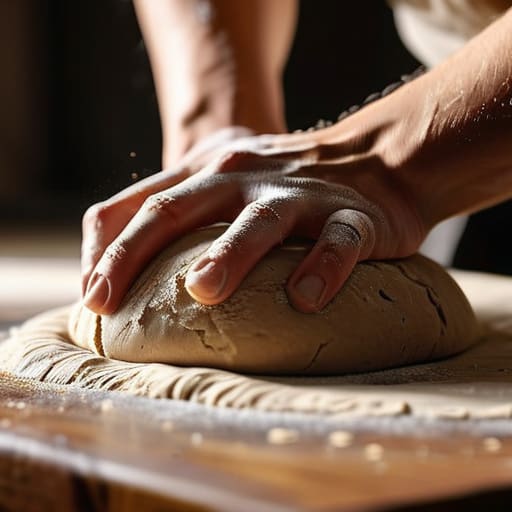
If you’ve followed me this far, you know that flatbread isn’t about following a set of rigid instructions; it’s about understanding the relationship between your flour, your hydration, and the air in your kitchen. We’ve talked about why a high-protein bread flour behaves differently than a soft all-purpose, and we’ve looked at how time—or the lack of it—dictates whether you’re making a quick, unleavened disc or a pillowy, leavened naan. Remember, if your dough feels tight and stubborn, it’s likely thirsty or needs more time to relax; if it’s a sticky mess, you haven’t quite found the right balance of hydration yet. Don’t go reaching for more flour just because a recipe says so; trust your hands to tell you when the gluten has actually developed.
At the end of the day, a flatbread doesn’t need to look like a professional photograph to be a triumph. It might come out a little uneven, or perhaps it’s a bit more charred than you intended, but if it tastes of salt, grain, and warmth, you’ve done the work. Baking is a conversation between you and the ingredients, and sometimes the best lessons come from the loaves that didn’t rise quite as expected. So, stop worrying about the clock and start feeling the dough. Once you stop fighting the process and start respecting the temperature and the patience required, you’ll find that the most beautiful breads are the ones that were allowed to happen in their own time.
Frequently Asked Questions
My dough feels incredibly sticky and won't hold its shape; am I using too much water or is my flour just not up to the task?
It’s likely a bit of both, but don’t panic. You’re probably looking at a high-hydration dough—maybe 75% or higher—and your flour just hasn’t met the challenge. If you’re using a low-protein all-purpose, it simply can’t hold that much water. But before you dump more flour in and choke the dough, check your temperature. If your kitchen is warm, the gluten relaxes and turns into a puddle. Give it a rest, let it chill, and trust your hands.
Why does my flatbread come out tough and chewy like a rubber band instead of soft and pliable?
If your flatbread is fighting you like a rubber band, you’ve likely overworked the gluten or cooked it far too long. You’re treating the dough like it needs to be tough to survive, but flatbread should be tender. Check your hydration; if it’s too low, the dough starves. More importantly, watch your heat. If you linger on the pan, you’re drying out the moisture instead of steaming the bread from the inside.
If I don't have a heavy cast-iron skillet, can I use a regular frying pan, or will the lack of heat retention ruin the rise?
You can certainly use a regular frying pan, but don’t expect the same forgiving rhythm. A cast-iron skillet acts like a heat battery; it stays angry and hot even when the cold dough hits it. A thin pan will drop in temperature the moment you lay that dough down, which can lead to a gummy bottom or a stunted rise. If you use a light pan, preheat it longer than you think you need to.