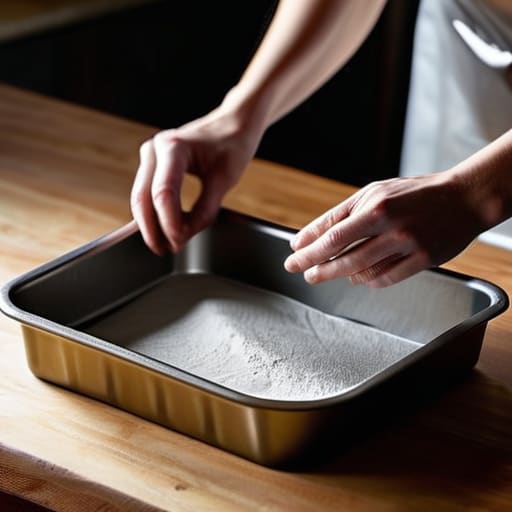
Most people think that learning how to make rice pudding is about finding the perfect ratio of sugar to cream, but they’ve got it backwards. They treat it like a chemistry experiment where if the measurements are exact, the result is guaranteed. I spent years watching people follow recipes to the letter only to end up with a pot of gummy, broken starch or a liquid mess that never quite set. The truth is, rice pudding isn’t a math problem; it’s a lesson in listening to the pot. You aren’t just heating grains; you are managing the way starch releases its grip on the liquid, and that requires your eyes and your hands, not just a measuring cup.
I’m not going to give you a list of fancy ingredients or tell you that you need a specific brand of vanilla to succeed. Instead, I’m going to teach you how to feel the resistance of the rice as it softens and how to recognize when the milk has truly married the grain. We will talk about heat management, the importance of the slow simmer, and why your stove’s dial is a liar. By the time we’re done, you won’t need a recipe card—you’ll just know.
Recipe Instructions
Step 1
First, you must weigh out your rice. I use 200g of short-grain Arborio or even a good old-fashioned pudding rice—something with enough starch to do the heavy lifting. Rinse it under cold water until the water runs clear; you want to wash away the loose dust, but you mustn’t strip away the soul of the grain, which is that starch that makes the pudding creamy.
Step 2
Get your heavy-bottomed pot on the stove and add your milk. For this, I use 800g of whole milk (that’s a 400% hydration ratio relative to the rice, if you’re keeping track). Add a pinch of salt—about 2g—and a bit of vanilla. Bring it up to a gentle simmer, but keep your eyes on it; milk has a habit of deciding to boil over the very second you turn your back to find a spoon.
Step 3
Once the milk is steaming, slide your rice into the pot. Turn the heat down to the lowest setting your stove will allow. This isn’t a race, and if you try to rush the heat to make it cook faster, you’ll just end up with a scorched layer of rice stuck to the bottom of the pan. You want a slow, rhythmic simmer that coaxes the starch out of the grain without bruising it.
Step 4
Now comes the part where most people fail: the stirring. You don’t need to whisk it like a madwoman, but you must move the spoon around the bottom of the pot every few minutes. You are looking for the texture to change from individual grains swimming in liquid to a cohesive, velvety mass. If it starts looking too thick or “tight,” add a splash more milk. You want it to feel loose and flowing when you pull the spoon through, because it will thicken significantly as it cools.
Step 5
When the rice is tender but still holds its shape, turn off the heat. Stir in your sweetener—I prefer 50g of caster sugar, but use your judgment—and perhaps a knob of butter if you’re feeling indulgent. Cover the pot and let it sit for ten minutes. This isn’t just resting; it’s allowing the residual heat to settle the pudding into its final, perfect consistency. Serve it warm, or cold if you have the discipline to wait.
Choosing the Best Rice for Pudding Over Mere Convenience
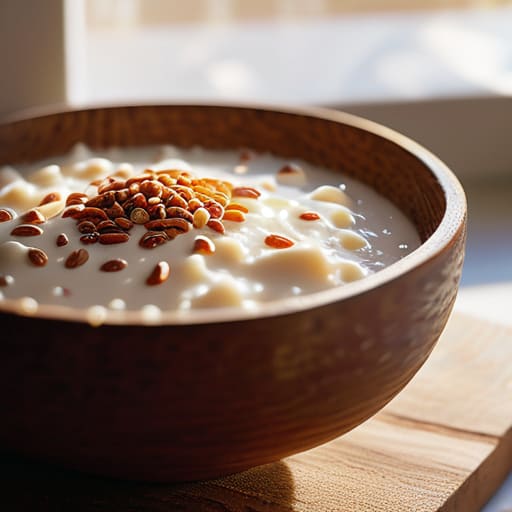
Now, don’t go reaching for that long-grain jasmine or basmati just because they’re sitting in the pantry. Those grains are meant to stay separate and elegant, but a pudding demands a grain that is willing to surrender its starch to the milk. For the best rice for pudding, you want something short-grain and starchy—Arborio is a fine choice if you’re at a specialty shop, but even a standard supermarket pudding rice will do the job. You need that starch to act as the glue; it’s what transforms a pot of liquid and grain into something that feels like a hug in a bowl.
If you find yourself lacking the patience for a slow simmer, you might be tempted by a shortcut like sweetened condensed milk rice pudding, which is fine for a quick fix but lacks the soul of a slow-cooked batch. To get those professional rice pudding texture tips right, remember that the rice should feel tender but not mushy, like it’s just on the verge of dissolving. If you’re using a cinnamon rice pudding recipe, add your spice toward the end so the warmth doesn’t get lost in the steam. It’s all about how the grain holds the milk, not how much sugar you can pour in.
The Weight of Creamy Rice Pudding Ingredients and Low Heat
If you’re looking for a shortcut, you might be tempted by a tin of sweetened condensed milk rice pudding, but that’s just sugar and physics masquerading as soul. To get that true, heavy-lidded comfort, you have to respect the heat. I’ve seen too many people crank the stove because they think “faster” means “better,” but all they end up with is a scorched bottom and grainy grains. You want a low, steady simmer—the kind of heat that feels like a quiet conversation rather than a shouted argument. This is where the magic happens; the starch needs time to bleed out into the milk, creating those rice pudding texture tips I always swear by: it’s about the slow release of starch, not the speed of the boil.
Don’t be afraid to adjust your flavors as the liquid reduces. If you’re following a cinnamon rice pudding recipe, add your spice halfway through so the warmth permeates the grain rather than just sitting on the surface. It’s a living thing, the pot. If it looks too thick, splash in a bit more milk; if it looks thin, give it another ten minutes of quiet attention.
Five Lessons the Milk Taught Me
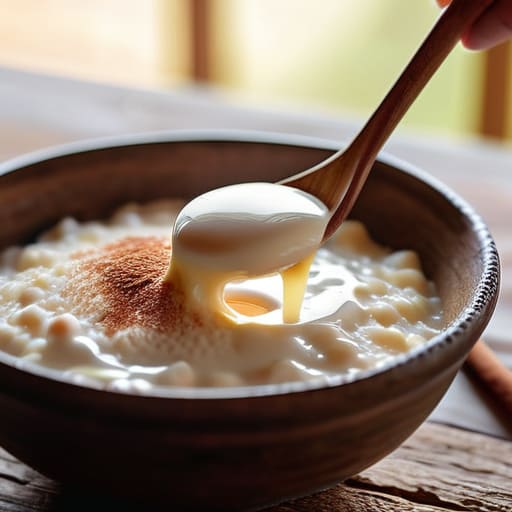
- Stop watching the clock and start watching the pot; rice doesn’t care what time it is, it only cares about the heat, so if you see the bottom beginning to scorch, turn it down immediately or walk away for a minute.
- Don’t be afraid of a little extra liquid, because rice is a thirsty thing and if you cook it until it looks “done” in the pot, it will be a dry, gummy brick by the time it reaches the table.
- Stirring isn’t just about preventing sticking; it’s about coaxing the starch out of the grain, so use a wooden spoon and feel for that subtle change in resistance as the mixture thickens.
- If you want a truly velvety texture, add your milk in stages rather than dumping it all in at once, giving the grains a chance to swell gently rather than shocking them.
- Patience with the cooling process is non-negotiable, as the pudding will continue to set and thicken as it loses its heat, so aim for a consistency that feels slightly too loose when it’s still warm.
Three Things to Remember When the Stove is On
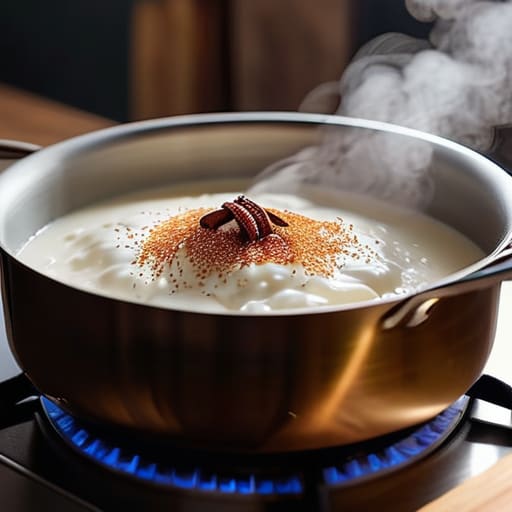
Forget the clock and trust your spoon; the rice is ready when the starch has fully surrendered to the milk, creating a texture that feels heavy and silken rather than grainy or loose.
Heat is a tool, not a shortcut—if you see the milk boiling aggressively, you’ve lost the battle, so keep it at a gentle, lazy simmer to ensure the grains soften without breaking into a mush.
Don’t be afraid of a little extra liquid toward the end; rice is a thirsty thing and will continue to drink up the cream as it sits, so a pudding that looks slightly too wet in the pot is often perfect by the time it hits the bowl.
The Final Stir
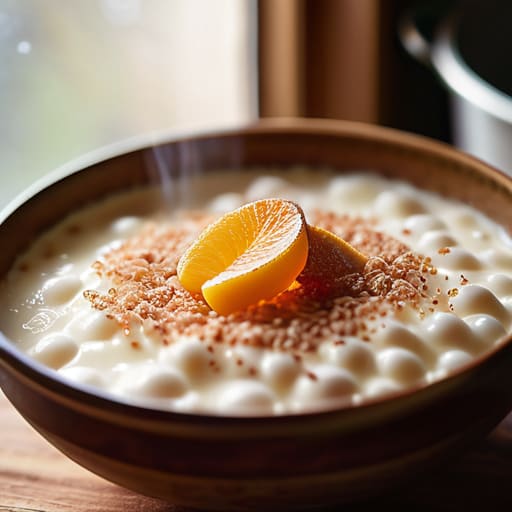
If you’ve followed along, you’ll know that a proper rice pudding isn’t about following a set of rigid instructions, but about understanding the relationship between the grain and the liquid. We talked about why those little short-grain pearls matter more than the long-grain stuff you use for pilaf, and why you must never, under any circumstances, turn up the heat just because you’re hungry. It comes down to the steady, gentle application of warmth and the patience to let the starch do the heavy lifting. If your pudding feels a bit loose when you turn off the stove, don’t panic; it will find its way to a creamy consistency as it settles. Just remember that consistency is born from heat control, not from rushing the process.
At the end of the day, a bowl of rice pudding is more than just a dessert; it is a quiet moment of stillness in a very loud world. I spent thirty-four years watching people rush through their lives, always looking for the quickest way to the finish line, but you cannot shortcut a good pudding any more than you can shortcut a good loaf of bread. Let the steam hit your face, feel the weight of the spoon, and realize that the best things in life are often the ones that require us to slow down. Once you stop fighting the clock and start listening to the pot, you’ll find that the simplest ingredients can provide the deepest comfort.
Frequently Asked Questions
Can I use leftover cooked rice, or will that ruin the texture of the pudding?
You can use leftover rice, but don’t expect the same soul in the finished dish. When you cook rice from scratch, the grains swell and drink up the milk, creating a creamy bond from the inside out. Leftover rice has already surrendered its starch; it’s “set.” You’ll get a pudding that’s more like a warm porridge. It’s fine for a quick fix, but if you want that velvety, cohesive texture, start from dry.
My pudding turned out thick and gluey like paste; did I use too much starch or just cook it too long?
It sounds like you’ve let the starch win, and that’s usually a matter of heat rather than just timing. If you cook it too fast or too hot, the rice grains burst too early, dumping all their starch into the milk at once. It turns into a slurry instead of a creamy suspension. Next time, keep that flame low and don’t rush the absorption; you want the grains to swell, not disintegrate into paste.
Is it possible to make this with a higher milk-to-rice ratio if I prefer a more pourable, custard-like consistency?
Of course it is. If you want that pourable, custard-like finish, you’re looking at a ratio closer to 12:1 or even 14:1 by weight. Just remember: more liquid means more time. You can’t rush the starch into thickening a larger volume of milk, so don’t get impatient when it looks like soup halfway through. Keep the heat low, stir gently to prevent scorching, and trust that the rice will eventually find its way to that creamy equilibrium.