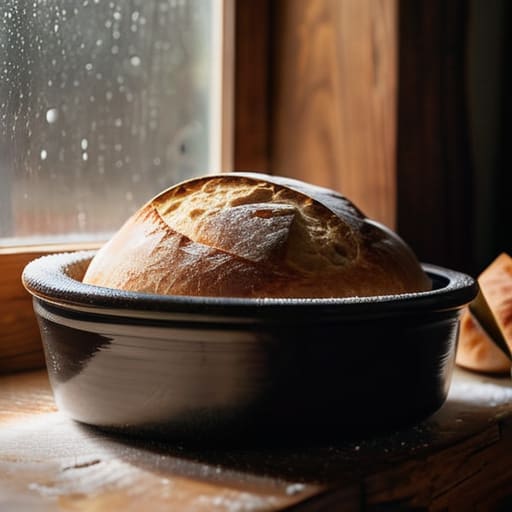
I remember a Tuesday in mid-November, back when the bakery was still mine and the wind was howling through the cracks in the window frames. I had followed a sourdough recipe to the gram, used the finest flour, and even gave the dough a gentle, respectful touch—yet when I went to score it, the loaf sat there like a heavy, lifeless stone. I didn’t need a new brand of flour or a fancy digital proofing box; I just needed to realize that my kitchen had dropped five degrees and my yeast had gone into hiding. Most people spend far too much money on gadgets when they should be learning how temperature controls fermentation by simply feeling the air on their skin.
I am not here to sell you a specialized proofer or a complicated piece of software that promises perfection at the touch of a button. Instead, I’m going to show you how to listen to your dough and understand the invisible dance between heat and time. We are going to talk about water temperatures, ambient warmth, and why your dough is actually shivering, not failing. By the time we are through, you won’t need a thermometer to tell you something is wrong; you will simply know by the feel of the mass under your hands.
Yeast Activity and Heat the Pulse of Your Dough
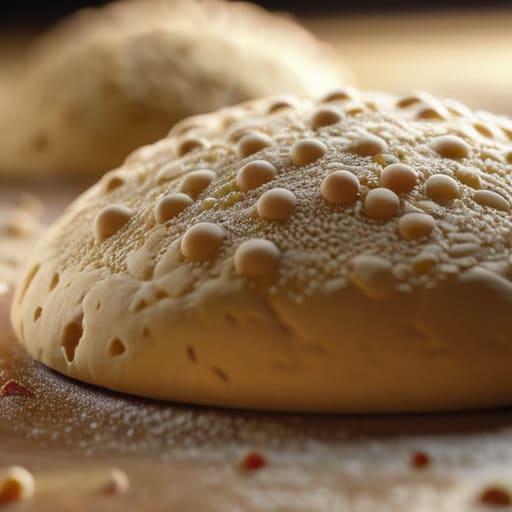
Think of your yeast not as a chemical additive, but as a tiny, living crowd of workers. When we talk about yeast activity and heat, we are really talking about how much energy those workers have. If you keep your dough in a warm spot, those microbes go into a frenzy; they eat, they breathe, and they multiply with a speed that can catch you off guard. But if the dough is too cold, they aren’t dead—they’re just sleeping, waiting for a reason to wake up.
There is a delicate dance between fermentation speed vs flavor profile that every baker eventually learns by feel. If you push the temperature too high to get a fast rise, you’re essentially asking your workers to sprint a marathon; they’ll finish quickly, but they’ll be exhausted and leave no interesting flavors behind. A slower, cooler rise allows for those complex, deep notes to develop. You want a steady, rhythmic pulse in your dough, not a frantic burst that leaves you with a loaf that tastes like nothing more than plain flour and air.
Finding the Optimal Fermentation Temperature Range
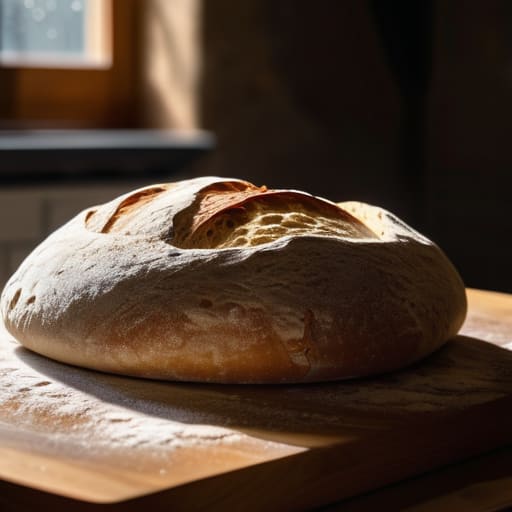
Now, you might think there is one magic number where everything just clicks, but dough isn’t a machine; it’s a living thing. When I was running the shop, I learned that the optimal fermentation temperature range usually sits somewhere between 24°C and 28°C (75°F–82°F) for a standard straight dough. If you push it higher, you’re essentially sprinting toward a finished loaf, but you’ll sacrifice the very soul of the bread. You get plenty of lift, sure, but you lose that complex, tangy depth that only comes from a slow dance.
It is a constant tug-of-war between fermentation speed vs flavor profile. If you keep your dough on the warmer side, the yeast works like a frantic child, consuming sugars too quickly and leaving the bread tasting flat and yeasty. If you drop the temperature, the enzymatic reactions in fermentation slow down, allowing the microbes to produce those beautiful, subtle acids that make a crust sing. I always tell my students: if you want bread that tastes like something, stop trying to outrun the clock and start listening to the air in your kitchen.
Five Ways to Stop Fighting Your Kitchen

- Stop trusting your thermostat and start feeling the dough; if the room feels chilly to you, your yeast is likely hibernating, and you’ll need to find a warmer nook—perhaps near the oven or on top of the fridge—to coax it back to life.
- Watch your water temperature like a hawk when mixing, because if you use tap water straight from a cold winter pipe, you’re starting the race with a heavy weight tied to your ankles.
- Learn to respect the “thermal mass” of your dough; a large batch of dough holds its heat much longer than a tiny boule, so don’t expect a big batch to cool down or warm up at the same speed as a single loaf.
- If you’re working with a high-hydration dough—say, something north of 75%—be aware that heat makes it even more slippery and difficult to handle, so keep your workspace cool to maintain some semblance of control.
- Use a probe thermometer to check the internal temperature of your dough after mixing, because that number tells you the truth of what’s happening inside, regardless of what the air in your kitchen claims.
The Baker’s Three Golden Rules for Temperature
Stop obsessing over the clock and start watching the dough; a recipe might say two hours, but if your kitchen is a drafty cellar, that dough isn’t going anywhere, and you shouldn’t force it to move just because a timer went off.
Respect the “sweet spot” between 24°C and 28°C for your bulk fermentation, because while heat makes yeast work faster, pushing it too high is just a shortcut to a sour, over-proofed mess that lacks any real structure.
Always account for your water temperature before you even touch the flour; if you’re using a cold kitchen, use slightly warmer water to compensate, rather than expecting the yeast to do all the heavy lifting on its own.
Trusting Your Hands Over the Thermometer
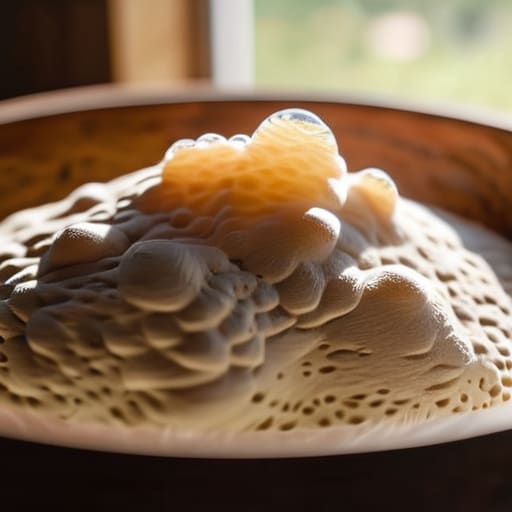
At the end of the day, remember that temperature isn’t just a number on a digital readout; it is the heartbeat of your loaf. Whether you are managing a high-hydration dough at 78% or a stiffer rye, you must realize that heat dictates the pace of life inside that bowl. If you push the temperature too high, you risk a runaway fermentation that smells of vinegar and exhaustion; if you let it drop too low, your dough will simply sleep through its prime. You have to balance the biological clock of your yeast against the reality of your kitchen’s climate. Stop looking for a perfect, static setting and start looking for the rhythm of the dough itself.
Don’t let a cold morning or a drafty window discourage you. If the dough feels sluggish and tight, give it a warm hug in a turned-off oven or a sunny corner; if it feels bloated and weak, move it to the cool of the larder. Baking isn’t about forcing nature to obey a strict set of rules, but about listening to what the flour is telling you. Once you stop fighting the environment and start working with it, you’ll find that the most beautiful crusts come from those who knew when to wait and when to move. Patience is your best tool, so let the dough take the time it needs.
Frequently Asked Questions
My dough is rising way too fast and smells a bit sour; did I accidentally make the kitchen too hot?
You’ve likely let the room get a bit too cozy for the yeast. When the temperature climbs, the microbes go into a frenzy; they eat through the sugars too quickly, leaving behind those sharp, acetic acids that give you that aggressive sourness. Your dough isn’t spoiled, it’s just rushed. Next time, try a slightly cooler water temperature or find a draftier corner. It needs a slower stroll, not a sprint, to develop real flavor.
If I use cold water from the tap to mix my dough, will that ruin the timing of my bulk fermentation?
It won’t ruin it, but it will certainly delay it. If you use cold tap water, you’re essentially giving your yeast a shock, forcing it to spend the first hour just trying to get warm before it even thinks about eating. Your bulk fermentation will drag on longer than the recipe suggests. Don’t just watch the clock; watch the dough. If it feels sluggish and tight, it’s likely still shivering from that cold water.
Is there a way to keep my dough at a steady temperature if I don't have a professional proofing box?
You don’t need a fancy proofing box; you just need to stop fighting your own house. If your kitchen is drafty, find the warmest, quietest corner—usually near the oven or even inside a turned-off microwave. A heavy towel draped over a bowl can act like a little blanket, keeping that precious heat from escaping. Just remember, if you’re using a warm spot, keep a close eye on it; dough doesn’t have a clock.