Most people think that learning how to make lemon drizzle is all about finding the most expensive organic lemons or a “secret” zest technique, but they’re looking in the wrong direction. I spent thirty years behind a bakery counter watching people walk out with dry, heavy sponges simply because they treated the batter like a chemistry experiment instead of a living thing. The truth is, a lemon drizzle lives or dies by the temperature of your ingredients and the way you handle that sugar syrup while the cake is still breathing. If you pour that drizzle onto a cold cake, it just sits there like a sad, wet puddle instead of soaking into the very heart of the crumb.
I’m not going to give you a list of fancy gadgets or tell you that you need a professional kitchen to get this right. Instead, I’m going to show you the exact weights and percentages that ensure a moist, bright sponge every single time, regardless of your oven’s quirks. We are going to focus on the rhythm of the bake—from the way the zest should feel between your fingers to the precise moment that syrup meets the heat. No fluff, no nonsense, just honest baking.
Recipe Details
Ingredients
- 225g unsalted butter, softened
- 225g caster sugar
- 4 large eggs
- 225g self-raising flour
- Zest of 2 lemons
- 1 tbsp baking powder
- 100g granulated sugar for topping
- Juice of 2 lemons for drizzle
Recipe Instructions
Step 1
Before you touch a single egg, get your ingredients ready. You’ll need 225g of unsalted butter (softened, not melted!), 225g of caster sugar, 225g of self-raising flour, and 4 large eggs. I always tell people to weigh everything twice before you start mixing; once you’ve cracked those eggs, there’s no going back to a scale. Make sure your butter is truly at room temperature—if it’s too cold, you’ll end up with a heavy, greasy batter instead of something light and airy.
Step 2
Cream your butter and sugar together in a large bowl. Don’t just give it a quick stir; you want to beat it until the mixture looks pale and almost fluffy. If you’re using a hand mixer, keep going until the grit of the sugar starts to disappear into the fat. This is where you build the air that will make the cake rise, so don’t be stingy with your effort here.
Step 3
Now, add your eggs one at a time. This is the part where most people run into trouble—if your eggs are cold from the fridge, they might curdle the batter. If you see it starting to look like split custard, just add a tablespoon of your weighed flour to bind it back together. Once the eggs are in, gently fold in the rest of your flour using a metal spoon. You aren’t trying to whip air into it now; you just want to incorporate the flour until the streaks vanish, being careful not to overwork the gluten or you’ll end up with a tough, bread-like sponge.
Step 4
Spoon the batter into a greased loaf tin and smooth the top. Pop it into a preheated oven at 180°C (or 160°C if you’re using a fan). Leave it alone. I know it’s tempting to peek, but opening the door too early lets the heat escape and can cause the center to sink. You’re looking for a golden top and a skewer that comes out clean and dry. This usually takes about 45 to 50 minutes, but trust your nose more than the timer.
Step 5
While that’s baking, make your drizzle. Mix 100g of caster sugar with the juice of two large lemons. You want the sugar to remain slightly grainy, not dissolve completely into a syrup. As soon as the cake comes out of the oven, while it is still piping hot in the tin, prick the whole surface with a skewer. Pour that lemon-sugar mixture over the top. The heat will draw the juice down into the crumb, while the sugar creates that lovely, crunchy crust we all crave. Let it cool completely in the tin before you even think about slicing it.
Mastering the Moist Lemon Sponge Recipe Through Weight
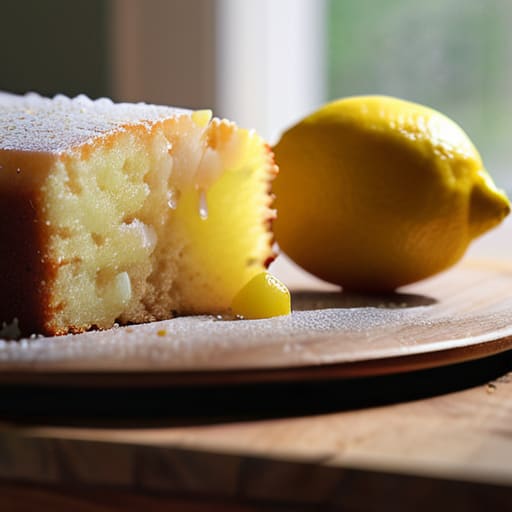
If you’ve ever pulled a cake from the oven only to find it’s as dry as a summer drought, you haven’t failed the recipe; you’ve likely misjudged your ingredients. When I’m baking lemon drizzle cake, I never look at a measuring cup. I look at my scale. A proper moist lemon sponge recipe relies on the precise relationship between your fats and your liquids. If your kitchen is particularly drafty or your eggs are straight from a cold larder, that weight is your only true north. I always aim for a specific lemon zest and juice ratio—too much juice and you’ll collapse the crumb structure, but too little and you’re just eating a plain sponge with a bit of yellow tint.
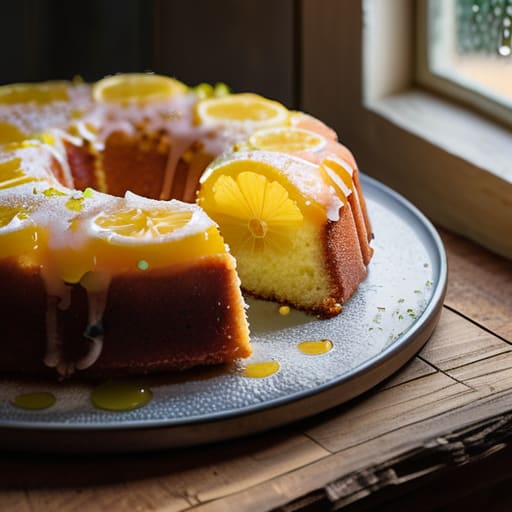
The real magic, though, happens when the cake is still screamingly hot from the oven. That is when you apply your citrus glaze technique. Don’t just pour it over and hope for the best; you want to prick the surface of the sponge deeply so the syrup migrates down into the heart of the cake. You are looking for a perfect drizzle consistency—it should be thin enough to soak in, but thick enough to leave a slight, tacky sheen on top once it cools.
The Lemon Zest and Juice Ratio That Defies Intuition
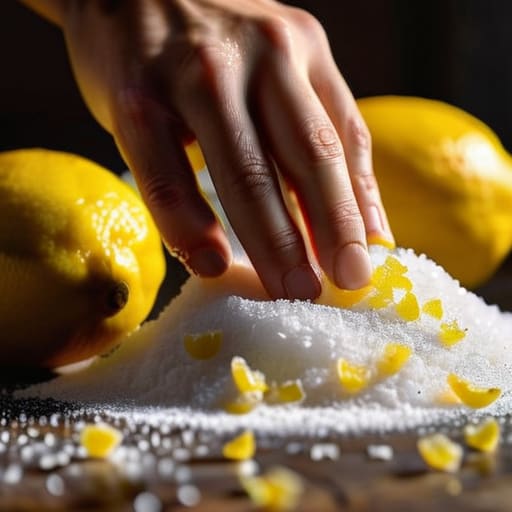
Most people think you just squeeze a lemon until your knuckles ache and call it a day, but that’s where they lose the soul of the cake. If you want that deep, aromatic punch, you have to respect the lemon zest and juice ratio. The juice provides the acid to cut through the sugar, but the zest is where the essential oils live—that’s where the actual scent of summer resides. I always tell my apprentices to zest the fruit into the sugar first and rub it in with their fingertips. You aren’t just mixing; you’re bruising the zest to release those oils into the crystals. It changes the entire profile of your moist lemon sponge recipe.
When you move on to the citrus glaze technique, don’t be afraid of a little bitterness. A common mistake is trying to make the drizzle too sweet, which ends up masking the fruit entirely. For a perfect drizzle consistency, your sponge should still be warm when the liquid hits it. This allows the cake to act like a sponge, pulling the lemon juice down into its very crumb rather than letting it just sit on top like a sugary shell. If it looks a bit thin at first, let it be. It will set into something bright and beautiful.
Five Little Truths for a Better Drizzle
- Stop using a measuring cup for your flour; if you pack that flour too tight, you’re making a sponge that’s more of a brick, so use your scale and keep your ratios exact.
- Watch your oven temperature like a hawk, because if it’s even a hair too hot, the edges will set before the middle has even begun to rise, leaving you with a crater in the center.
- Don’t wait for the cake to cool completely before you pour that syrup over it; you want the sponge to be warm enough to drink the lemon juice in, but not so hot that it turns to mush.
- When you’re zesting, keep your grater shallow; if you scrape into the white pith, you’ll bring a bitterness to the cake that no amount of sugar can ever quite mask.
- Room temperature ingredients aren’t a suggestion, they’re a requirement—if your eggs are cold, they’ll seize your butter and you’ll end up with a curdled mess instead of a silky batter.
Three Things to Remember When the Oven Door Closes
Trust your hands over your eyes; a sponge that looks “done” often lacks the structural integrity to hold that heavy citrus drizzle, so wait for the spring-back.
Temperature is a silent ingredient; if your butter was too soft or your eggs were cold from the fridge, the emulsion will break and you’ll end up with a heavy crumb instead of a lift.
Respect the soak; the drizzle isn’t just a topping, it’s a way to drive moisture deep into the heart of the cake, so don’t be afraid to let it sit and settle.
The Final Fold
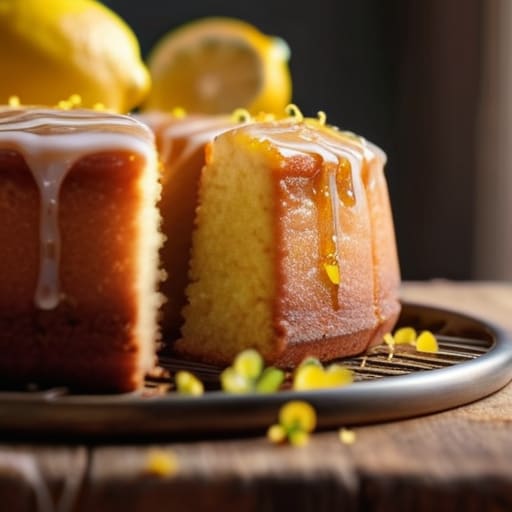
If you’ve followed the weights and respected the science of that lemon soak, you’re already ahead of most. Remember, a successful drizzle isn’t about following a list of steps blindly; it’s about understanding that the sponge needs to be warm enough to drink up that citrus syrup, but not so hot that it turns to mush. We’ve talked about why those percentages matter and why your scale is your best friend in the kitchen, but at the end of the day, it comes down to how you handle the ingredients. If the batter feels too heavy or the zest seems sparse, trust your hands over a printed page. The goal isn’t just a cake that looks like a photograph; it’s a cake that has the proper structural integrity to hold that bright, acidic moisture without collapsing.
Don’t let a slightly uneven crumb or a drizzle that ran a bit too fast discourage you. In my thirty-four years, I’ve seen many a perfect loaf go sideways because the humidity shifted or the oven door was left open a second too long. Baking is a conversation between you and the elements, and sometimes the elements win. But every time you pick up that whisk, you are learning the language of heat and hydration. So, pour yourself a cup of tea, slice a generous piece, and embrace the imperfection. That is where the real flavor lives.
Frequently Asked Questions
My sponge came out heavy and dense instead of light and airy; did I overwork the batter or is my oven too hot?
If your sponge is heavy, you’ve likely fought the batter instead of coaxing it. If you overmixed once the flour hit the wet ingredients, you developed gluten—that’s your density right there. It’s not the oven’s fault; a hot oven usually gives you a burnt crust and a raw middle, not a leaden crumb. Fold your flour in gently until just combined. Stop the moment the white streaks vanish. Let the air do the work.
Should I wait for the cake to cool completely before pouring the drizzle, or does the heat help it soak in?
You pour that drizzle over the cake while it’s still warm—not scalding, but definitely holding heat. If you wait until it’s cold, the syrup just sits on top like a shiny, useless lid. When the sponge is warm, the pores are open and thirsty; they’ll pull that lemon juice right down into the crumb. You want the cake to drink the drizzle, not just wear it. Just don’t let it sit in a puddle too long.
Why does my drizzle sometimes turn into a hard, sugary crust instead of a moist, syrupy glaze?
It’s the temperature, plain and simple. If you pour that lemon juice over a cake that’s already gone stone-cold, the sugar hits the surface and sets like cement. You want the cake warm—not scalding, just holding its heat—and that drizzle needs to be room temperature too. You’re looking for the syrup to seep into the crumb, not sit on top like a shell. Don’t rush the cooling; let the heat do the work.