I’ve spent more time than I care to admit watching people throw money at “luxury” cocoa powders and expensive emulsifiers, thinking that’s the secret to a perfect crumb. They treat a recipe like a chemistry experiment gone wrong, when the truth is much simpler. If you’ve ever stared at a slice of cake that looks beautiful in a magazine but feels like eating a piece of sweetened drywall, you know the frustration. Most people struggle with how to make a chocolate cake that is moist because they are chasing a photograph instead of understanding the physics of fat and heat. You don’t need a pantry full of specialty imports; you need to understand why your oven is stealing your moisture before the cake even hits the cooling rack.
I’m not going to give you a list of fancy ingredients that cost more than my morning flour delivery. Instead, I’m going to show you how to respect the ratios and the temperature of your batter. We are going to talk about the weight of your cocoa and why the way you fold your ingredients matters more than any expensive additive. I promise you an honest, no-nonsense approach to getting that deep, velvet texture every single time.
The Truth About Oil vs Butter in Cake
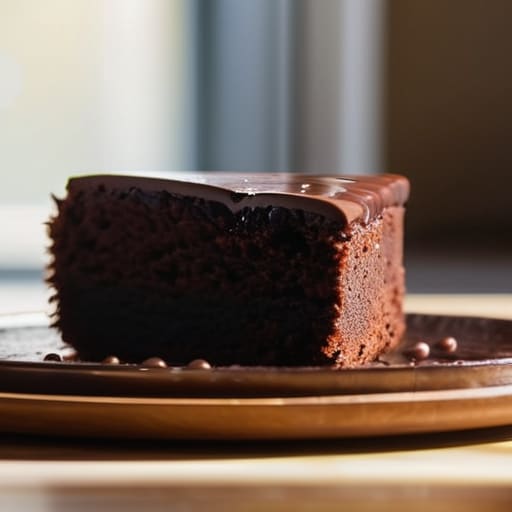
Now, let’s settle a debate that has caused more heartache than a collapsed soufflé: the choice between oil and butter. Most people think butter is the gold standard because it tastes like luxury, and they aren’t wrong about the flavor. But if you are looking for the baking science of moisture, butter has a temperamental streak. Because butter is a solid at room temperature, it can make a cake feel tight or even crumbly if you overwork the flour or if your kitchen is a bit too chilly.
If your goal is a crumb that stays soft even the morning after it’s baked, you want to look at the oil vs butter in cake dynamic. Oil is a liquid at any temperature your kitchen can manage, meaning it coats the flour particles more effectively and prevents them from forming too much gluten. I always tell my apprentices that while butter provides that lovely, milky richness, oil provides the structural insurance for a soft mouthfeel. If you want a cake that feels like a cloud rather than a sponge, don’t be afraid to lean on a neutral oil; it’s the secret to a reliable, tender crumb every single time.
Preventing Dry Chocolate Cake With Proper Hydration
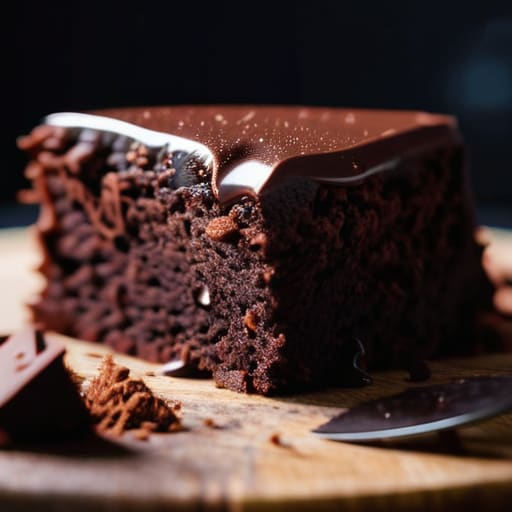
Most people think a cake dries out because they forgot a splash of milk, but they’re looking at the wrong part of the equation. If you want to master preventing dry chocolate cake, you have to stop thinking about liquids as mere additions and start thinking about them as part of a structural balance. In my shop, I never looked at a recipe in cups; I looked at the ratio. For a truly luscious crumb, you need to ensure your total liquid weight is sufficient to fully saturate the flour proteins without turning the batter into a soup.
One of my favorite cake hydration techniques involves using a hot liquid to bloom your cocoa powder. I often use hot coffee; it doesn’t make the cake taste like a morning brew, but the heat helps dissolve the cocoa solids and prevents them from sucking the moisture right out of your fats. This is the real baking science of moisture—it’s about ensuring the water is chemically available to the crumb before the heat of the oven sets the structure. If your batter feels heavy and sluggish rather than silky and fluid, your hydration is off, and no amount of frosting will save it.
Five ways to stop treating your cake like a chore and start treating it like a living thing
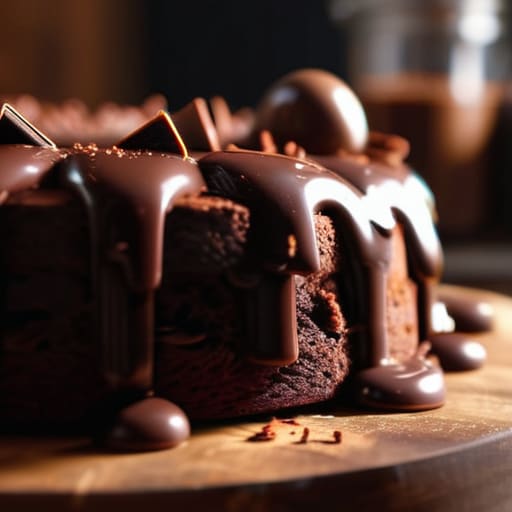
- Stop staring at the clock and start feeling the crumb; a cake is often pulled from the oven a minute too late because we trust a timer more than we trust our own senses, and that minute is the difference between a moist sponge and a dry sponge.
- Temperature is your silent partner, so stop using cold eggs straight from the fridge just because it’s convenient; when you force cold ingredients into a room-temperature batter, you break the emulsion, and a broken emulsion is a recipe for a heavy, weeping cake that lacks that velvety, moist lift.
- Sift your cocoa powder like you mean it, because even the finest Dutch-process can hide tiny, stubborn clumps that turn into dry, dusty pockets of flour once the heat hits them, ruining the uniform hydration you worked so hard to achieve.
- Respect the bloom by using hot liquid; if you are using coffee or boiling water to bloom your cocoa, do not rush the process—letting that heat release the fats and oils in the chocolate ensures the moisture is chemically bound to the structure rather than just sitting on top.
- Let the cake rest in its own steam; I see too many people de-panning their cakes the second they come out of the heat, but a cake needs those few quiet minutes in the tin to settle its moisture levels, or you’ll watch all that hard-earned hydration vanish into the air the moment it hits the counter.
The baker’s final checks
Stop trusting the toothpick; a cake is done when it feels springy to a gentle touch, not just when a stick comes out clean, because a moment too long in a hot oven is a mistake no frosting can hide.
Temperature is as much an ingredient as flour, so ensure your eggs and dairy aren’t pulling the batter cold, or you’ll end up with a crumb that’s tight and stubborn instead of soft and yielding.
Treat your batter with a light hand once the flour hits the wet; if you overwork it out of a desire for perfection, you’ll knock the air out and end up with a heavy, dense block instead of a moist crumb.
The Baker's Final Word
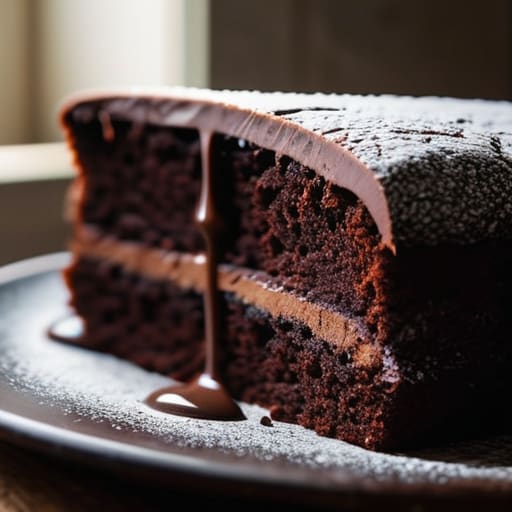
If you’ve followed what we’ve discussed, you’ll realize that a moist chocolate cake isn’t a matter of luck or a secret ingredient found in a fancy jar. It is the result of understanding your fats, respecting your hydration levels, and knowing that the scale is your best friend when it comes to precision. Remember, we aren’t just mixing cocoa and flour; we are managing moisture. Whether you chose the richness of butter or the lasting softness of oil, and whether you calculated your liquids to the gram or simply guessed, the goal remains the same: preventing the heat from stealing the soul of the sponge. Don’t be afraid to trust your senses over a timer if the crumb feels like it needs five more minutes of quiet in the oven.
At the end of the day, your kitchen will have its own temperament. Some days the air is too dry, or your oven runs a little hot, and a cake might come out a bit more stubborn than you intended. That isn’t a failure; it’s just a conversation between you and the heat. Stop chasing the impossible perfection of a magazine cover and start looking for the way the cake feels under your finger and how it holds its weight on the plate. Baking is a living thing, and once you stop fighting the process and start listening to what the batter is telling you, you’ll find that patience is the most reliable tool in your kit. Now, go clear your counter and try again.
Frequently Asked Questions
If I use a scale to get my percentages right, how do I know if I've over-mixed the batter and lost that moisture I worked so hard for?
You’ll know because the batter will suddenly lose its sheen and start looking heavy, almost like a thick paste rather than a fluid ribbon. When you over-work the flour, you develop too much gluten, and that’s what steals your moisture. Instead of a velvety pour, you’ll see a batter that resists you. If it feels elastic or “rubbery” when you lift the whisk, stop immediately. You’ve traded your crumb for a sponge.
My kitchen is always a bit drafty in the mornings; does the temperature of my room affect how the fats in the cake settle during the bake?
It certainly does. If your kitchen is drafty, you aren’t just fighting the air; you’re fighting the physics of your fats. If that batter sits too long in a cold room before it hits the oven, your butter can start to stiffen or even partially solidify. That means instead of a smooth, emulsified crumb, you end up with uneven pockets of fat. Keep your batter away from the window and trust your thermometer, not the air.
I've tried different cocoa powders, but some make my cake feel gritty rather than silky—is that a hydration issue or a quality issue?
It’s a bit of both, dear, but mostly it’s how that cocoa is behaving in your batter. If you’re using a cheap, highly processed powder, the particles are stubborn and don’t want to play nice with your liquids. But even with the best cocoa, if your hydration is too low, those particles never truly bloom; they just sit there like sand. You need enough liquid to fully hydrate the solids, turning that grit into silk.